


Long Island native Tom Junod is known for getting to the heart of complex stories. A two-time National Magazine Awards winner, he found acclaim for prolific profiles of stars like Fred Rogers, which would later be adapted into the 2019 Academy award film, “Beautiful Day in the Neighborhood” starring Tom Hanks. He has spent his career sharing the stories of A-list celebrities, politicians and average citizens alike with brutal honesty and humility.
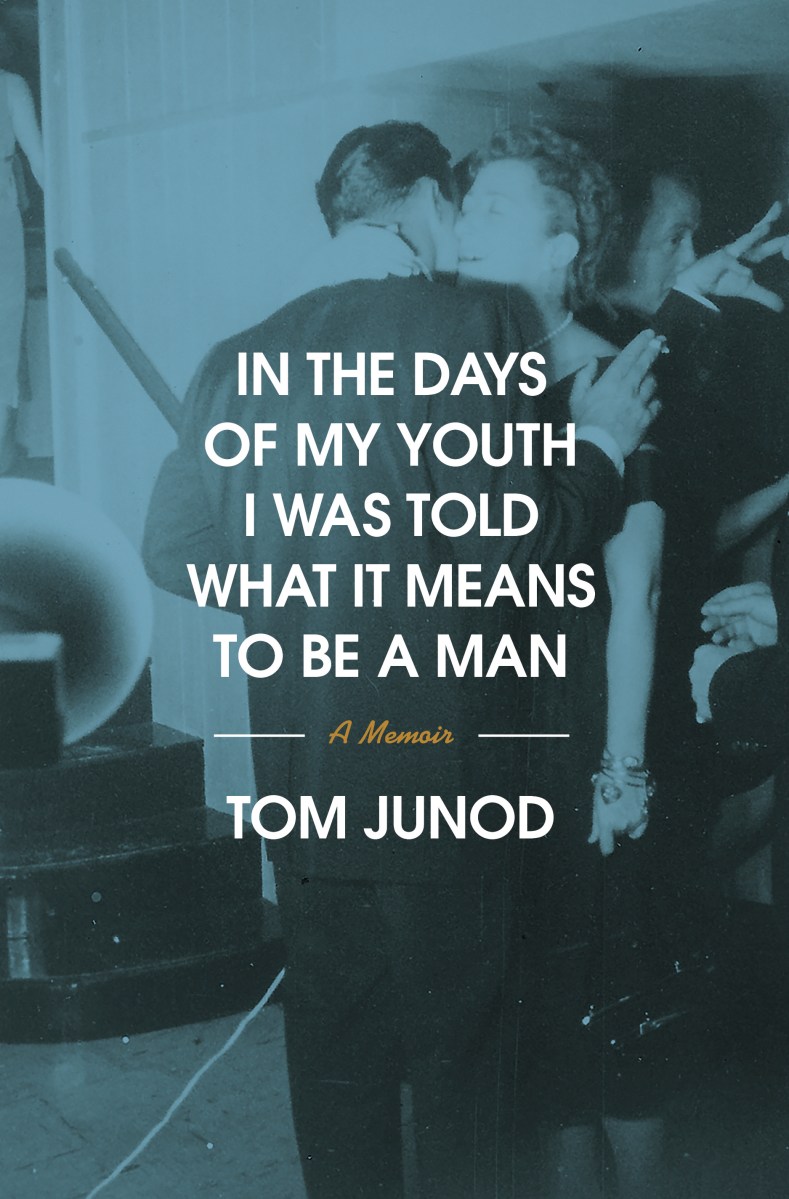
Now he’s turning inward. A story that took him more than two decades to uncover, Junod’s memoir “In the Days of My Youth, I Was Told What It Means to Be a Man,” released March 10, tells an honest story about reconciliation. Growing up in Long Island, Junod tells the wild tales of his father, a handbag salesman, a showman and a womanizer. His father, Louis Junod, was more myth than he was man.
The memoir is featured on New York Times most anticipated nonfiction books of 2026 list. TIME magazine writes Junod’s praises, saying the book is “beaming a light on today’s masculinity crisis.”
The memoir serves as an investigation to deconstruct the “accepted legendary mythological version of my dad and the man that I knew he was,” Junod said in a virtual interview with Long Island Press.
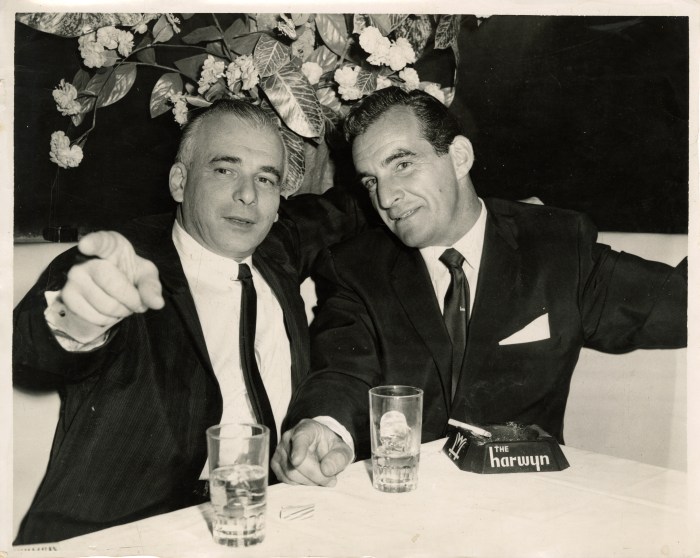
He explained that after his death, he thought he had “closed the book” on his father.
Junod has written about his father before. In essays like GQ’s 1996 My Father’s Fashion Tips, Junod interviews his then-77-year-old father at Dune Deck Beach Club in Westhampton. He documents his father’s practice of masculinity, which involved a strict grooming regimen using mostly women’s products that took up an entire bathroom in his childhood home.
“He was such an overwhelming force in his masculinity that he could get away with being something of a dandy,” Junod said, laughing as he recalled the time when his father answered the door in short shorts and a cropped mesh jersey to greet his new neighbors.
In the 1996 article, Junod goes into extreme detail of his father’s bravado, telling tales of flirtatious encounters with Elizabeth Taylor, card games with Dean Martin and how a man is most flattered by turtlenecks.
What Junod kept vague in his award-winning GQ piece was his father’s secrets, omitting the details of his crippling gambling addiction or the several sexual encounters and long-term love affairs with women from around the country.
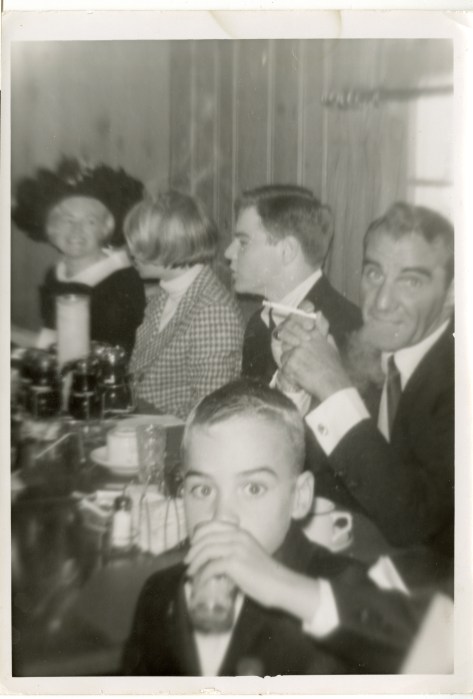
“I always felt it was my job to, you know, burnish my dad’s legend,” Junod said. He knew from a young age about his father’s secrets- but never truly explored them, in writing or thought. Instead he choose to keep them from his family and the world.
“Then in 2015, I decided that it was time to not just tell the truth about my dad but figure out the truth about my dad,” Junod said.
This time he wanted to lay it all out.
Like many WWII veterans, Junod’s father, Lou Junod, started his family in Levittown, Long Island. Despite his penchant for standing out, Junod said that his father’s humor fit right into the culture of Long Island.
“Long Island people are the funniest people on earth. Everybody, even when they don’t know it, is doing a form of standup,” Junod said.
Junod was born after the family moved to a split-level home in Wantagh. There, his father would replace the home’s concrete steps with marble. Whether June or January, he could be found laying on the steps with a sun reflector, tanning his skin 365 days a year until he was the same color as the leather handbags he sold.
“The marble was no accident. He sort of believed that he was part man and part statue that should be in a museum somewhere,” Junod said.
Lou had an undeniable presence. It was an all-encompassing feeling that loomed over the shoulder of Junod’s childhood, which he spent in equal parts carrying fear and admiration of his statuesque father.
“I was terrified of my father. It did not seem performative to me. All that seemed so real. I mean, his presence was just powerful,” Junod said.
In his search for answers through historical documents and DNA reports, a trail of tabloid deaths and children with ambiguous heritage stained the roots of the Junod family tree. As he attempted to understand his father, his investigation led to cascading revelations about how his family’s choices had consequences on his own life.
“I found out some things about my dad, my family and his family that I’ll be living with for the rest of my life,” Junod said, adding that it was “mostly for good rather than for bad.”
Lou never made it big, despite always dreaming of becoming a celebrity. But Junod said his father was a born entertainer who, despite it all, lived his life like he was always on stage.
“My father was the magician who could saw the woman in half. Unfortunately, that woman turned out to be my mom,” Junod said.
Junod writes about his mother as a confidant who, as the subject of much of Lou’s cruelty, shared in her son’s terror.
“We had a common cause,” Junod said.
She endured the pain of her husband’s widely known extramarital affairs. He said that while recording narration for the audiobook version, scenes of his mother left him “sandbagged” with emotion.
He also sat down with the many women who shared a bed with his father, including one lover who stood up at Lou’s funeral to ask, “Can we all just agree that this … was a man?” Junod describes this as the most “intense interview” he had ever done.

“But she told me the truth. And so many people told me the truth. And they were all women.”
Junod said that the book may revolve around his father, but his hope is that readers connect with the women in his story.
“As far as I’m concerned, the heroes in the book are not exclusively but predominantly women,” Junod said.
Despite his father’s best effort to shape him into his version of a man, Junod points to his “rough and tough Brooklyn girl” Levittown aunts, his devoted mother, his gentle brother and his caring wife as sources of guidance in his life.
He also points to his friendship with former profile subject Fred Rogers.
“The people that helped me be the man I want to be … they are very different from my dad,” Junod said.
Junod explained that as a parent, he strives to ensure his daughter, Nia, feels comfortable to pave her own path.
“I don’t put on a performance for my daughter. Nia’s not my audience. She’s my daughter,” Junod said. “I want her to be who she wants to be rather than some sort of product of my ambitions.”
He finished writing the memoir in the solitude that only a shed on Shelter Island could provide.
“By the way, the quiet and solitude of Shelter Island also drove my dad crazy. He hated it,” Junod added with a laugh.
Junod said that he wrote this story for many reasons. As a journalist, he wrote so he could “find the truth and tell the truth.” As his mother’s biggest advocate, he wrote it to share the sacrifices his mother made. But mostly he wrote this memoir for every child with a parent who held a secret life.
“That’s who I hope the book connects with. I don’t know if there’s many other books that sort of go into that experience to the depth that I go at it in,” Junod said.
He hopes readers walk away with a message that inspires independence from what is expected of them.
“I want people to realize that just as there is more than one way to skin a cat. There is definitely more than one way to be a man,” Junod said.
“In the Days of My Youth, I Was Told What It Means to Be a Man” will be available on March 10. Readers can catch Junod at a discussion and book signing at Barnes & Noble’s Carle Place location on Wednesday, March 18.