



On Long Island, winter doesn’t leave politely.
It lingers in the corners of rooms. It sits in heavy fabrics and lives inside the pile of shoes by the door and the coats that never quite made it back into the closet. Even after the first warm day, the house still feels February.
Spring cleaning, despite the name, is not really about cleaning. It’s about convincing your home that the season actually changed.
Outside, the light gets sharper. The air smells faintly alive again. Inside, everything still thinks it’s hibernating. The goal isn’t to scrub the house from top to bottom in one heroic weekend, but to gradually shift the atmosphere until the space feels like the outside world caught up to it.
Here’s how to do it.
START WITH THE LIGHT
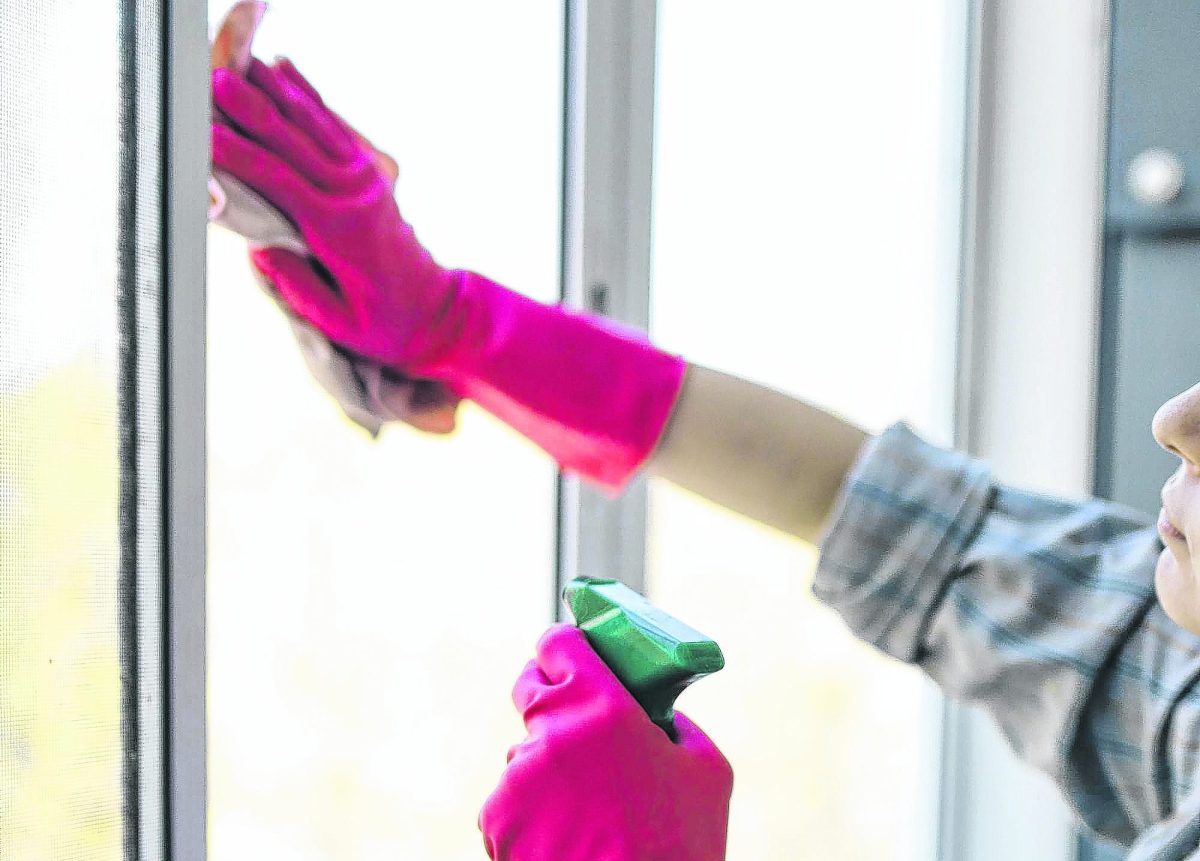
Before touching a single closet or storage bin, deal with the windows.
Winter light is low and gray. Spring light is directional and revealing. It finds fingerprints that were invisible for months and turns dust into glitter. A quick glass cleaning instantly changes the mood of a room more than almost any decorative update.
Then open them, but not for too long. Long Island likes to fake warm days in March with what’s commonly known as “fool’s spring.” But a brief cross-breeze resets the air inside the house, clearing out heating season and replacing it with something that smells like trees and pavement warming up.
Once the windows are clean, swap heavy window treatments for something lighter if you have the option. Even pulling curtains fully open during the day changes how rooms feel. When you welcome in the brightness, the warmth will follow.
CHANGE THE TEXTURES FIRST, NOT THE COLORS
People instinctively reach for pastels this time of year. You can, but texture does more work than color.
Pack away anything that visually feels heavy, like thick knit throws, deep pile blankets, dark velvets. Replace them with cotton, linen, woven materials, or lighter knits. Even if the temperature stays cool at night, lighter textures signal the season change to the eye.
Do the same with bedding. You don’t need a full summer swap yet, just trade flannel and heavy duvets for breathable layers. A folded quilt at the end of the bed reads like spring even if the heat still clicks on overnight.
The house should feel like it’s stretching after a long sleep.
THE CLOSET IS THE EMOTIONAL CENTER OF SPRING
Everyone focuses on the kitchen or living room, but the biggest mental reset comes from the closet.
Winter wardrobes pile up fast. Boots multiply and sweaters stop folding correctly, because even they get exhausted. By March, the space becomes a reminder of how long the season lasted.
You don’t need to rotate everything immediately. Instead, create breathing room.
Pull out anything you did not wear this winter. Move bulky coats to one side and add empty hangers. That visual space alone makes mornings feel different. The brain reads openness as a new start.
Then do the shoe area. On Long Island, winter footwear takes over the entire entryway. Even removing half of it changes the feel of the house more than any decorative object.
A spring home should feel navigable.
KITCHENS NEED A PERSONALITY SHIFT, NOT A DEEP SCRUB
There is a specific winter kitchen energy. It’s choked with slow cooking, heavy cookware, and countertops filled with appliances that make comfort food. But in the spring, kitchens crave a lighter energy.
Put away one large appliance you have been using constantly. Maybe the slow cooker or the oversized roasting pan that lived out all season. Replace it with something smaller or nothing at all. Counter space reads as freshness.
Then adjust what’s visible. A bowl of citrus, herbs in a jar, or even just a cleared surface changes how the room feels when sunlight hits it in the morning.
Think of it as editing, not redecorating.
BRING THE OUTDOORS IN BEFORE YOU GO OUTDOORS
Outdoor living season is coming, but the transition works best if it starts inside.
Add one living element to each main space. It does not need to be elaborate, maybe a small plant, fresh branches from the yard, or a few cut stems from a grocery store bouquet.
The point is movement. Organic shapes break up winter’s stillness. Even people who claim they are not “plant people” notice the difference subconsciously.
Once the interior feels alive, the outdoor spaces feel like an extension rather than a separate project waiting for work.
THE ENTRYWAY SETS THE WHOLE TONE
Long Island homes develop nasty winter entry habits. It’s a mess measured in salt trays and wet mats. The permanent presence of things meant to battle the weather.
Resetting this zone changes how the home greets you.
Remove the extra layers first. You likely won’t need three doormats anymore. Store the boot trays and wipe down the door itself, inside and out. Then simplify what remains with a lighter rug and fewer hooks filled at once. Give yourself a space to pause when coming inside rather than immediately managing gear.
Spring homes welcome you instead of bracing you.
PREPARE OUTDOOR SPACES BEFORE YOU USE THEM
Resist waiting for a perfectly warm weekend to address patios and decks. Early preparation makes the first nice day feel earned.
Start with a visual cleanup, not a full setup. Clear that winter debris and wipe down weathered surfaces. Stack furniture neatly and don’t worry about perfectly arranging it just yet. The yard will look ready even if the weather isn’t.
Then add one inviting detail early. Maybe a single chair positioned toward the sun or a small table cleared off. That visual cue encourages spontaneous use when a warm afternoon appears.
Spring is made of small moments. The house should allow them to happen easily.
FINISH WITH SCENT
Winter homes smell like heat and closed windows. Spring homes smell like air and renewal.
Avoid overpowering fragrances, as fresh and open air does most of the work. A subtle candle, a clean linen spray, or even just brewed tea on the counter shifts perception dramatically.
People remember how a home feels through scent faster than through sight.
THE REAL GOAL
A spring-ready home looks awake.
The difference is subtle, but unmistakable. Rooms feel lighter even when unchanged. Mornings feel easier. You sit near windows again. You leave doors open a little longer than necessary.
When the weather finally overcomes the winter doldrums, the outdoors becomes the center of daily life. But the transition starts inside, one adjustment at a time. Then one evening you notice you left the back door open, the light stays on later than expected, and the season finally feels official.
Your home got there first.