



The New York Times this week published a searing exposé of the most important Mexican American icon of modern times, Cesar Chavez, legendary leader of the United Farm Workers.
The allegations against the late union organizer are decades old, most dating to the 1960s and ’70s, but they are no less devastating. Some involve teenagers. One alleged victim was Dolores Huerta herself, the heroic co-founder of the UFW. Together, they changed the way America thought of and cared about the people who work hard to put food on our tables.
Following his death in 1993, he was posthumously awarded the Presidential Medal of Freedom.
With their international grape boycotts, his punishing body-wrecking fasts, grueling 1,000-mile marches, and tireless organizing, Chavez was a noble folk hero who gave voice to the voiceless and exploited farm workers. His UFW became a force for fairness and justice.
Countless streets and avenues, schools, colleges, and other public and private facilities bear his name. Colorado, Arizona, Michigan, New Mexico, Texas, Utah, Wisconsin and California all celebrate Cesar Chavez Day.
Until the shocking exposé, he was the most revered Latino in USA history. His saintly persona and enormous dignity helped define Latinos as a distinct racial and ethnic group. He was the magnet drawing us together, Puerto Rican, Cuban, Central and South American, Chicano, and Mexican American, he was the best among us.
Born into poverty on a farm in rural Arizona, he served in the United States Navy during World War II and emerged from that experience avowed to help people like his family find a dignified life.
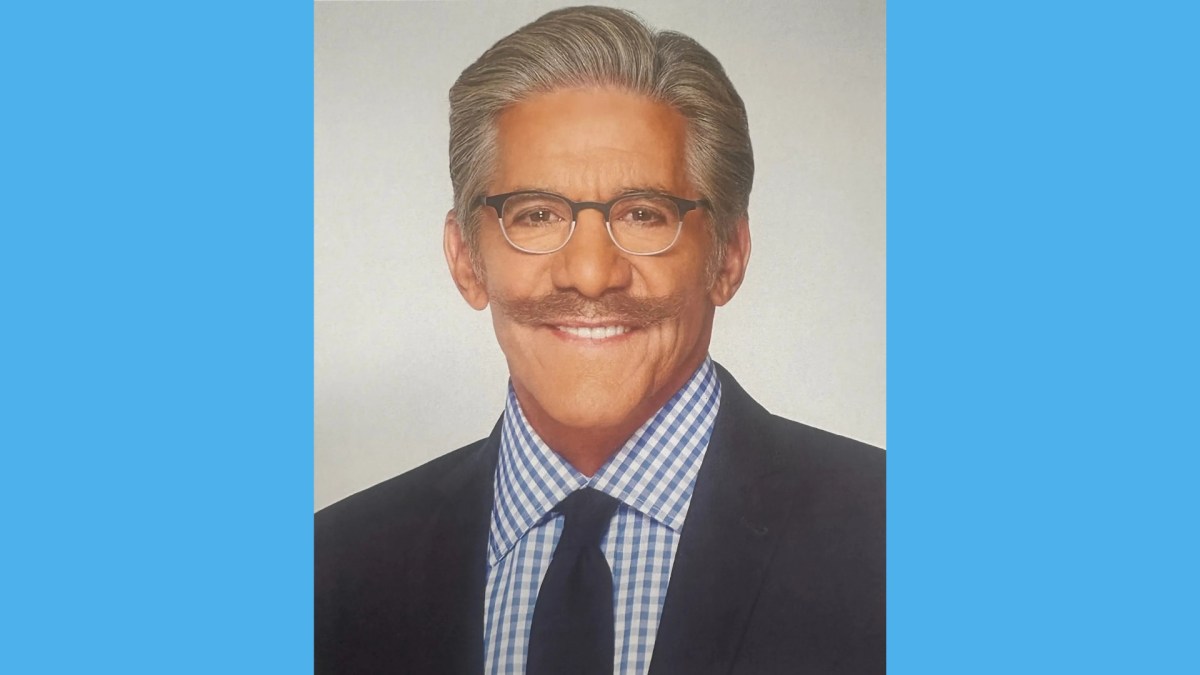
He was my first guest on my first network talk show, ABC’s Goodnight America, in 1973. My awe-struck parents were in the studio audience when I interviewed him for the first of several times.
Now, as with attacks on the character of other civil rights pioneers like Martin Luther King Jr. and Mahatma Gandhi, 33 years after his passing, Chavez’s memory is defaced. The allegations are horrifying, if true. He is accused credibly of being a groomer and child rapist, among other crimes and transgressions.
After six decades, those accusations are impossible to prove or disprove, but even reading with a skeptical eye, the allegations seem believable.
The main reason is the credibility of the principal accuser, Dolores Huerta, the now 95-year-old co-founder of the UFW. I know her well and interviewed her several times. She coined the epic rallying cry “Sí Se Puede!” Yes, We Can! And marched shoulder to shoulder with Chavez on countless occasions.
At a time when women seldom held the top job at labor unions, she was regarded as a gutsy, creative co-founder, beyond reproach.
Now, Latinos are losing the cherished memory of a great, if imperfect, man. His name is already being scrubbed from many institutions and even from the holiday that bore his name, now known as Farm Workers Day.
My hope is that, as with MLK and Gandhi, Chavez will be remembered more for the good than for the bad and the ugly.
















![370 372 Further Lane[98].jpg](https://behindthehedges.com/wp-content/uploads/2026/03/370-372-Further-Lane98.jpg.jpeg?quality=51&w=616)