



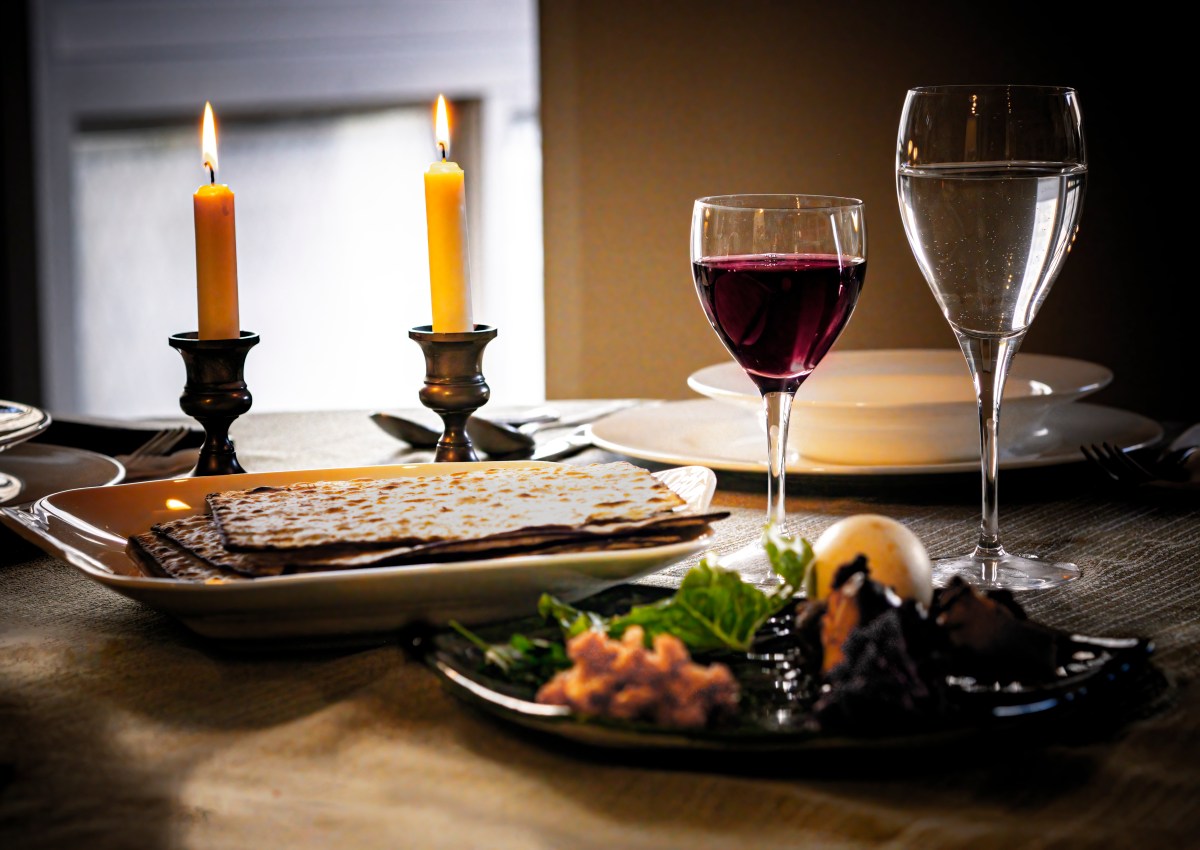
On Wednesday, April 1, Jewish families will gather for the Passover Seder around a table laden with foods. But what’s on the table not only holds importance for familial traditions, it honors the liberation of the Israelites from slavery in Egypt more than 3,000 years ago.
Passover, a holiday shared with people close to you, is a time to honor and explore the religious tale of Exodus. It also marks the tenth and final plague “passing over” Jewish homes around 1146 BC and 1536 BC, according to scholarly Biblical work.
The Passover Seder has evolved through rabbinic teachings after the destruction of the Second Temple in Jerusalem, becoming a structured, home-based ritual meal featuring storytelling, prayers and symbolic foods that emphasize freedom and remembrance.
The food is not just an element to keep people fed and happy; it is at the very core of the Seder tradition.
On the table will be dishes such as charoset, maror and, how could we ever forget, matzah, but behind every dish is an important part of the story to be told.
Charoset
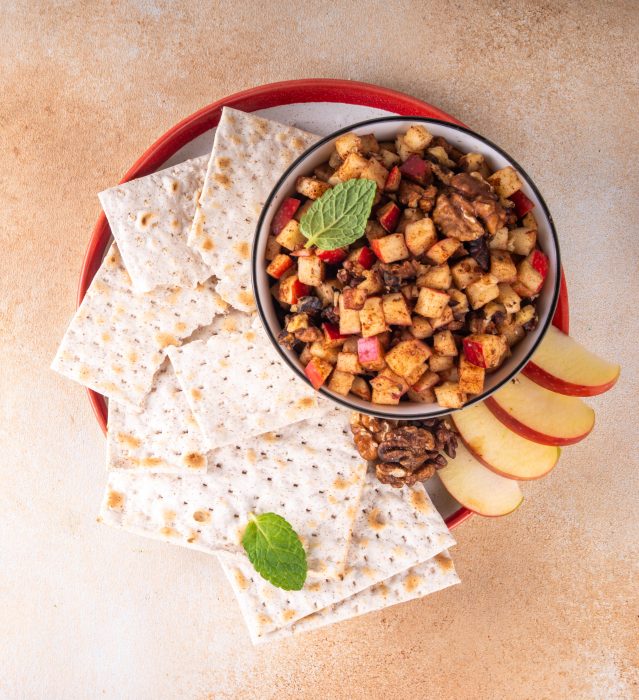
Charoset, from the Hebrew word for clay, is a medley of chopped fruits and nuts, emulating the color and texture of mortar. While not a material one would find appetizing, the purpose is to resemble the mortar the Israelites used during their enslavement in Egypt.
The ingredients chosen for the charoset come from the Song of Songs, which recites apples, figs, pomegranates, grapes, walnuts, dates, wine, saffron and cinnamon.
While the ingredients that go into the charoset can be regional, with Italians using chestnuts and Suriname Jewish people adding coconut, the common preparation is with cut-up apples tossed with walnuts, honey, sweet red wine and cinnamon.
Maror
Maror are the bitter herbs on the Passover Seder plate, coming from the Exodus text that states “with bitter herbs they shall eat it.” Eating bitter herbs also represents the bitterness of the Israelites’ enslavement.
The more common foods used as the maror are horseradish, romaine lettuce and endives, and must remain uncooked to maintain their most bitter taste.
Traditionally, the maror is dipped into the charoset, the excess charoset is then shaken off and the maror is eaten.
The maror is also eaten in what is called a Hillel sandwich, in which the maror and charoset are combined to be eaten between two pieces of matzah, just like a sandwich.
Matzah
The eating of matzah is integral to the story of Exodus, honoring the haste with which the Israelites escaped from enslavement.
Matzah is an unleavened bread with a cracker-like snap. Just a combination of flour and water kneaded into a dough, matzah is baked quickly and without any leavening agents to prevent any rise.
While the bread is less bread-like than you’d expect, it serves a purpose.
Matzah symbolizes the Israelites’ journey from bondage to freedom, who in the religious tale were rushed out of Egypt with unleavened dough, which they baked into flat cakes as they journeyed toward liberation.
The bread honors this history of freedom, while also instilling a value of humbleness in enjoying what is also called the “poor man’s bread.”
While store-bought matzah embodies the classic dry snap, some historians say there are other interpretations of the religious bread.
According to the Museum of the Jewish People, the Samaritan matzah interprets the bread as more of a soft, pita-like variation while still staying true to its unleavened property. This has been eaten for more than 375 generations.
If you’re up to throwing in something new for your family tradition, here’s how you can make it using a recipe from the Museum of the Jewish People.
Samaritan Matzah
Ingredients:
4.5 pounds of wholemeal matzoh flour
2 tablespoons fine salt
32-42 glasses of cold water from the fridge
Steps:
Slowly add the water to your flour. If the dough is too dry, add ½ cup until the dough is flexible and easy to work with. Then add salt. After adding the salt, knead the dough either by hand or with a mixer.
Divide the dough into pieces the size of ping pong balls. Flatten the matzah into a round, very thin shape. Finally, fry it briefly on both sides on a hot griddle.