



We have recently seen two sprigs of hope for new housing in Nassau that remind us of what is needed to address the county’s housing shortage.
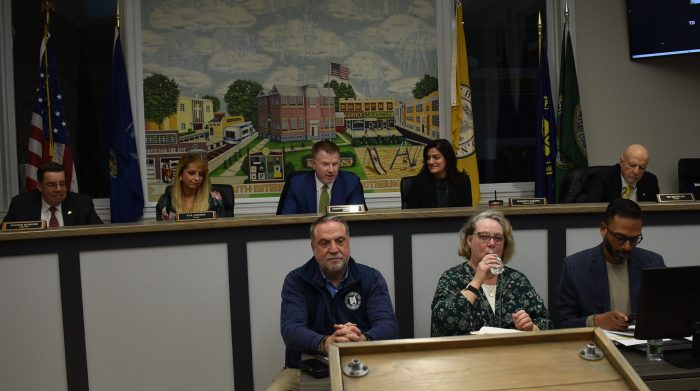
One took place last week when Manorhaven approved a contract to launch a long-awaited comprehensive plan to guide zoning, development, and infrastructure in the village over the next decade.
Mayor John Popeleski called the initiative a turning point for the village.
Most importantly, the firm awarded the contract to develop the village’s comprehensive plan is promising that resident input will guide them.
Input from residents, businesses, and not-for-profits has been the hallmark of successful housing and downtown developments in Nassau, stretching from Mineola to Farmingdale.
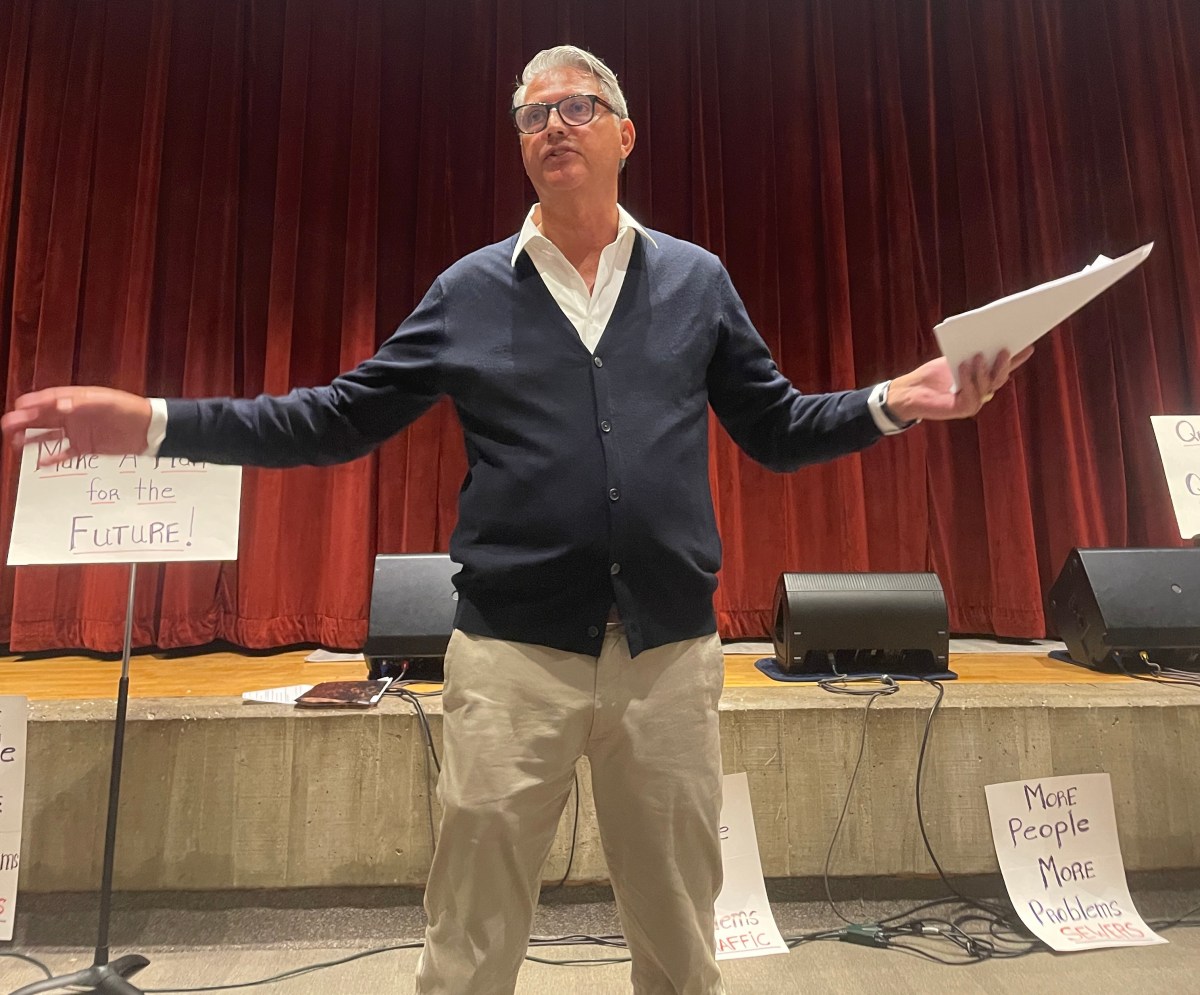
In Manorhaven, residents demanded this type of planning, complaining about what they said was overdevelopment in one of Nassau’s most densely populated areas.
Manorhaven’s awarding of a contract followed North Hempstead Supervisor Jennifer DeSena’s announcement that the town will begin updating its comprehensive master plan for the first time in 30 years.
DeSena called the master plan update for unincorporated areas a key step in shaping future development and preserving neighborhoods across the town.
We hope North Hempstead follows the lead of Manorhaven, Mineola, and Farmingdale and invites all of the village’s stakeholders to contribute to the process.
We also believe the town should consider the housing shortage that has driven up home prices, but also blocked development that would help downtown business districts, the adult children of residents who would like to return to where they grew up and existing residents who would prefer to downsize but remain in the town.
In February, as in the many months before, Nassau County single-family home prices rose, co-op prices jumped, and condo prices rocketed by double digits as the number of new listings and inventory plummeted.
Addressing this shortage while maintaining neighborhoods across the town will require an open-minded approach.
Transit-oriented housing that permits two or three stories of housing above retail stores near Long Island Rail Road stations has been effective in increasing housing and revitalizing downtown business districts. Mineola and Farmingdale are two prime examples.
The lessons learned in those two communities should be used by the town and villages with LIRR stations in areas where they control zoning.
North Hempstead and villages across Nassau County should also take a second look at accessory dwelling units, also known as granny flats, for basement apartments, attic conversions, attached additions, detached backyard units, or converted garages.
The units help homeowners generate extra rental income and stay in their longtime neighborhoods, while also allowing family members, such as grandparents, to live with them.
Long Island officials opposed state legislation in 2022 to allow accessory dwelling units in neighborhoods zoned for single-family homes, citing concerns such as parking, increased housing density and other quality-of-life issues.
A recently enacted statewide program, Plus One ADU, aims to curb the affordable housing shortage by offering low- to moderate-income Long Island homeowners in some towns up to $125,000 in a forgivable loan to build or retrofit accessory dwelling units.
New York City recently announced plans to expand and accelerate the construction of accessory dwelling units to address its housing shortage.
We recommend using accessory dwelling units selectively rather than across the board. The fact that accessory dwelling units are not appropriate in one area should not prevent their use in other areas.
The same can be said of workforce housing that allows younger people who work in Nassau to live here.
Towns and villages should also accommodate people who live here but want to downsize and remain in their communities. This should include the increasingly popular 50-plus communities.
There are legitimate concerns to consider, such as traffic, parking, housing density and school population.
That is why a comprehensive plan that involves residents, businesses, and not-for-profits is needed across the county.
Manorhaven and the Town of North Hempstead have now taken the first steps. We hope others will follow them.