



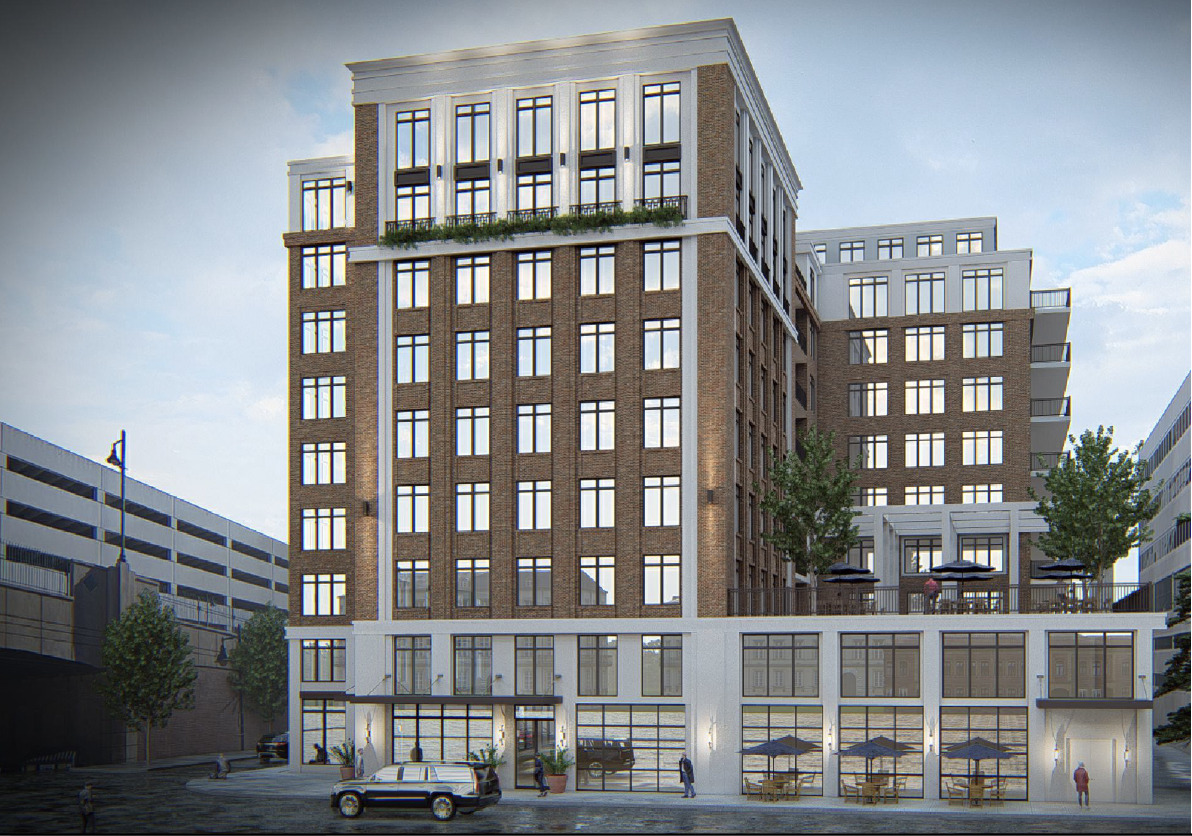
The Nassau County Industrial Development Agency approved financial incentives for a nine-story, 101-unit condominium development in Mineola.
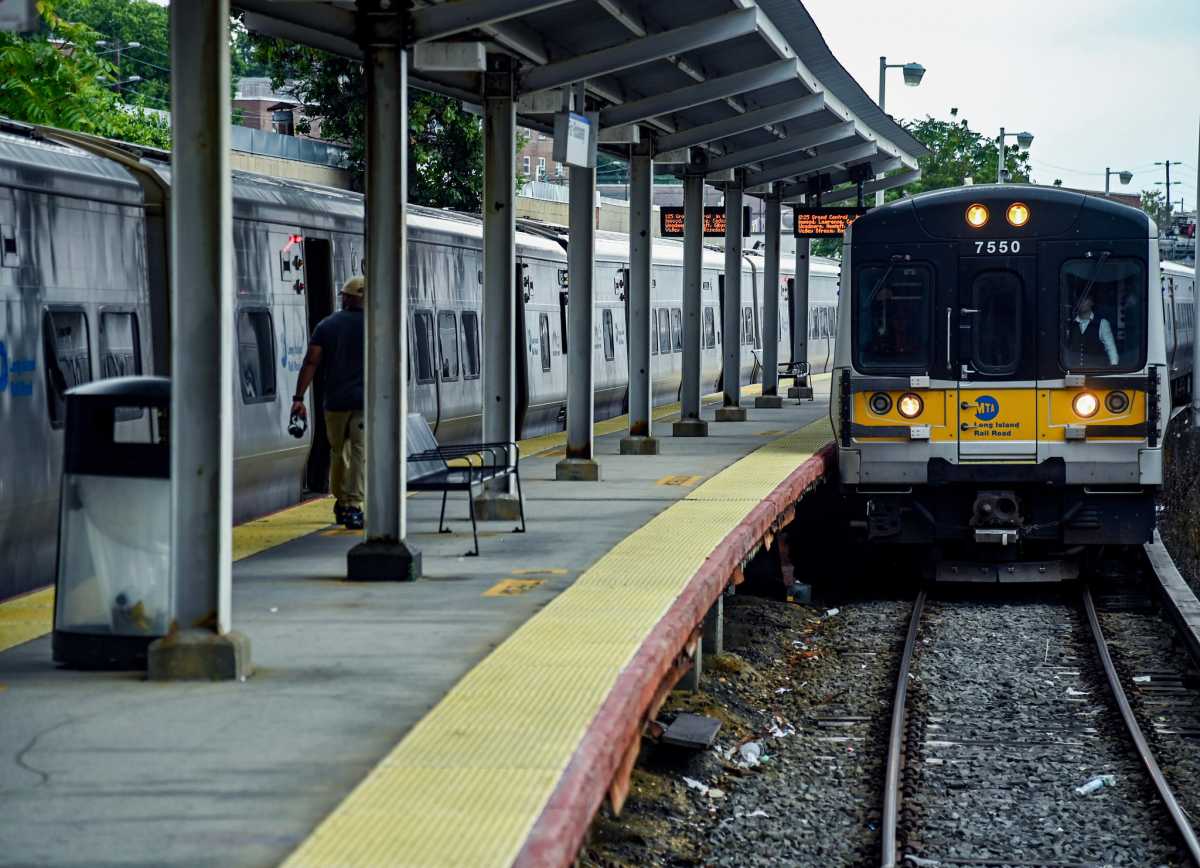
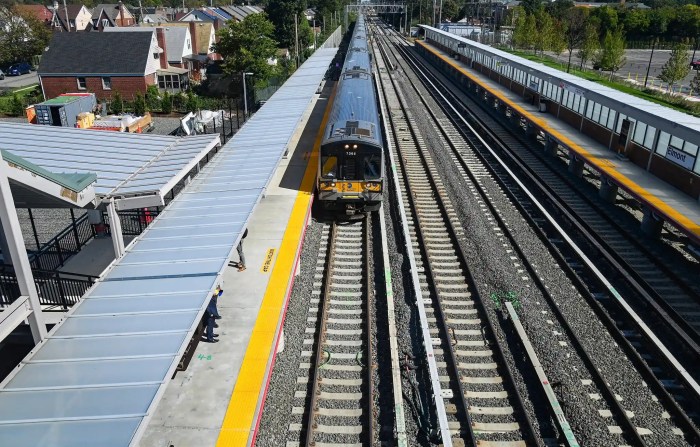
The building, known as “The Bridge,” is planned for 212-214 Third Street, next to the railroad tracks in Mineola’s downtown. It is marketed as a transit-oriented development and is expected to take around two years to construct, the application said.
The county’s Industrial Development Agency approved three main financial breaks: a sales tax exemption up to $2,777,250, a mortgage recording tax exemption up to $360,018.75 and a specialized Payment in Lieu of Taxes for commercial space and for-sale condos up to $2,372,887.75.
According to the application, developers are projecting total expenses of $73,850,000.
The property includes a 10,000-square-foot event space, according to the application to the Industrial Development Agency. Because it includes a commercial space, the property is zoned for mixed use.
According to the application to the Industrial Development Agency, the proposal includes 25 one-bedroom units, 60 two-bedroom units, 15 three-bedroom units, and one penthouse unit.
Mineola approved 112 units in September 2024, according to documents from the village. The application from the Nassau County Industrial Development Agency said 101 units.
It said there are 160 spaces available in an underground parking lot, as well as amenities such as lounges, patios and a gym.
The development is headed by 212-214 Third Street Associates LLC and Mineola 212 LLC, partially owned by Adam Mann of AJM Real Estate and Scott Burman of Burman Real Estate.
“The Bridge is the type of condominium development which Long Island needs more of, multifamily housing in a walkable downtown with direct access to rail and existing infrastructure,” Burman told Long Island Business News. “Mineola has the location and connectivity to support projects which will generate lasting demand, enhance the downtown and deliver long-term value for the region.”
The 15-year Payment in Lieu of Taxes agreement has different specifics for the residential and commercial aspects of the project.
For the commercial space, developers agreed to pay a base rate equal to the land’s current value. In year two, the rate increases by 10% until year 12, when it reaches 100%. After that, the full amount for the assessed value will be paid, according to the resolution.
For the residential space, the developers agreed to pay land-only rates for an estimated two years of construction, the resolution said. After that, the Payment in Lieu of Taxes ends at the point of sale of each condo until 80% of the condos are sold.