



The U.S. Environmental Protection Agency has said that two Superfund sites in Glen Cove “continue to be effective in protecting human health,” after evaluating more than 30 throughout the state, New Jersey and Puerto Rico.
As required by law, the EPA conducts reviews at Superfund sites, areas previously contaminated with waste harmful to the environment, every five years following the implementation of a cleanup. Across New York, New Jersey and Puerto Rico, 32 federal Superfund sites were assessed, according to the department’s announcement on Dec. 31.
The review of previous work helps ensure that the EPA continues to evaluate the performance of cleanup efforts and determines whether any further action to protect human health and the environment is required, the department said.
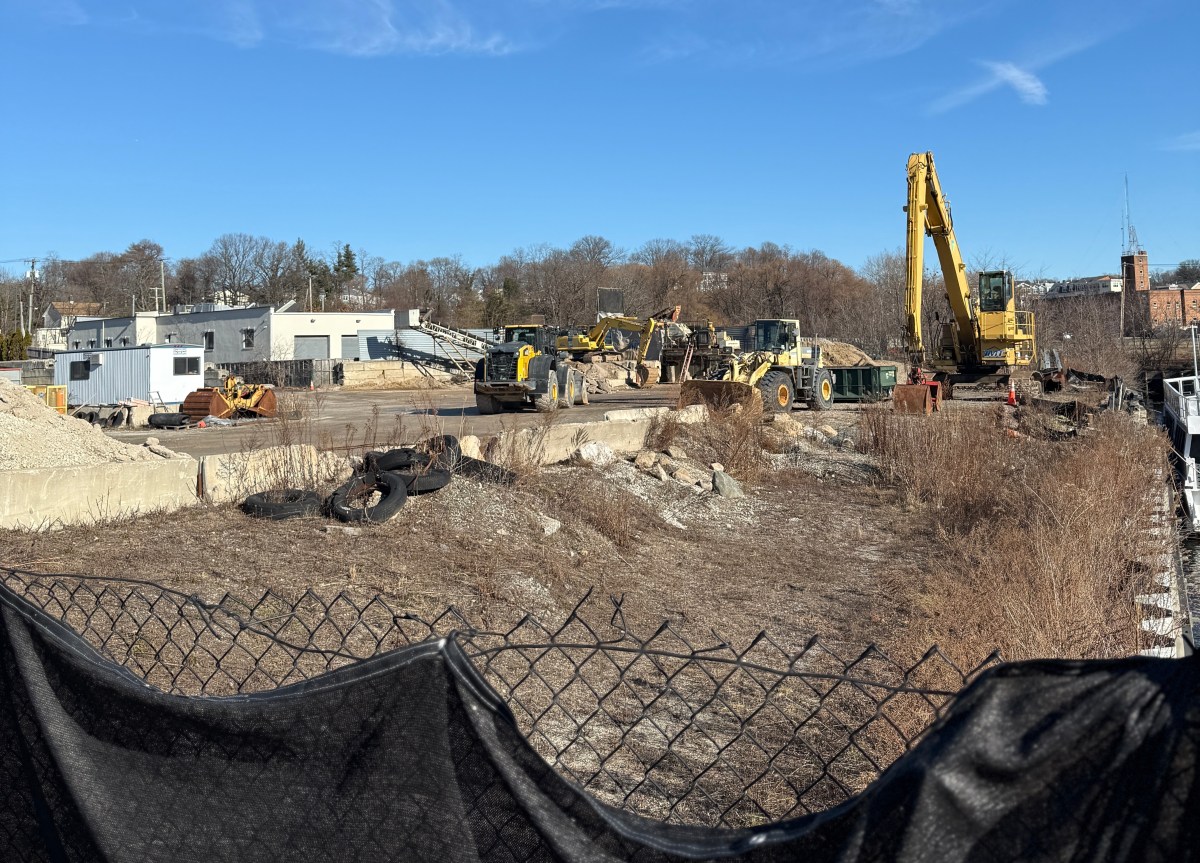
Two sites in Glen Cove were part of the EPA’s review, including the Li Tungeston property and the Mattiace Facility property.
The Li Tungeston Superfund Site, a 26-acre property located at 63 Herbhill Road in Glen Cove, was previously used for activities including the handling of tungsten ore from 1942 to the mid-1980s, according to the EPA’s 47-page report.
The property was found to have metal contaminants in the soil, including barium, arsenic and mercury, and groundwater at the site was also contaminated, the report said.
The restoration process has involved removing over 150,000 cubic feet of polluted soil and the dredging of radioactive “hot spots” from Glen Cove Creek, which sits adjacent to the Superfund site, the report said.
Commercial and residential development is in progress on the site and in nearby areas along the creek, the EPA said.
The federal department identified the need for additional monitoring of increased arsenic concentrations and recommended additional testing to look at elevated levels of perfluoroalkyl and polyfluoroalkyl chemicals, otherwise referred to as PFAS, in groundwater wells at the Captain’s Cove property, according to the EPA’s five-year review of the Superfund site.
The Mattiace Facility property, a 1.9-acre site located at 16 Garvies Point Road in Glen Cove, has a contaminated plume that extends roughly 700 feet beyond the property, according to a 30-page report from the EPA.
The area surrounding the site includes a sewage treatment plant, commercial businesses, public beaches and a county preserve, according to the report.
For over 20 years, Mattiace Petrochemical Co. utilized organic solvents, which can cause cancer, and discharged liquid waste into either a wet well, tanks or a leaching pool at the facility, the report said.
It was later discovered that the site had PCE and TCE contaminated into its groundwater and soil, the EPA said. As a result, the EPA removed roughly 100,000 gallons of hazardous materials in the 1980s, removed pesticide hot spots in the 1990s and has treated groundwater in the area, according to the report.
Despite the federal department saying that surface soils have not been contaminated, soil vapors have not been found inside homes and drinking water has not been impacted by the contamination, the EPA’s five-year review still suggests further evaluation of the property to assess potential groundwater contamination from areas south of the property, which is part of the state’s Brownfield Cleanup Program.
Other Long Island properties evaluated as part of the EPA’s review were sites in Franklin Square, East Farmingdale and Port Jefferson Station.