



The Long Island Coalition for the Homeless held its annual point-in-time count on Tuesday, Jan. 27, amid looming threats of federal grant cuts that fund similar organizations.
“The federal funds that go directly towards helping people who are experiencing homelessness are at risk, and that would be devastating,” Paul LaMarr, Continuum of Care policy and community planning manager for the Long Island Coalition for the Homeless, said.
Grant reversals from the Trump administration are common, and threats to slash funding are often caught up in court proceedings that leave recipients in the dark as they plan future budgets.
“This has been an extremely brutal winter,” he said, referencing the number of deaths in New York City during last weekend’s winter storm. “That’s the reality that people who are living unsheltered face every day. These are our neighbors.”
Mary Mahoney, vice president of Emergency Management & Clinical Preparedness at Northwell Health, said the confusion surrounding federal funding has led organizations to decide not to reapply for grants.
“Clients who were benefiting from those non-profits supporting their housing are becoming homeless again,” she said, adding that increased anxiety around housing can cause individuals to put their other healthcare needs on the back burner.
“These programs are starting to close in the dead of winter – that’s a death sentence for people forced onto the streets,” Mike Giuffrida, associate director for the coalition, said in a Northwell Health release. “This is more than a policy shift. Politics aside, there’s a level of cruelty here.”
He said that with pending federal funding cuts, the number of people living on Long Island streets unsheltered could rise by 50% or more.
Local efforts like the point-in-time count are still in motion and can help organizations plan how to best address issues facing unsheltered people, according to LaMarr
The point-in-time count is part of a yearly survey of unhoused populations mandated by the federal Department of Housing and Urban Development. The coalition is part of the Continuum of Care Program, which funds non-profits, governments, and other housing organizations that work to rehouse individuals at the local level.
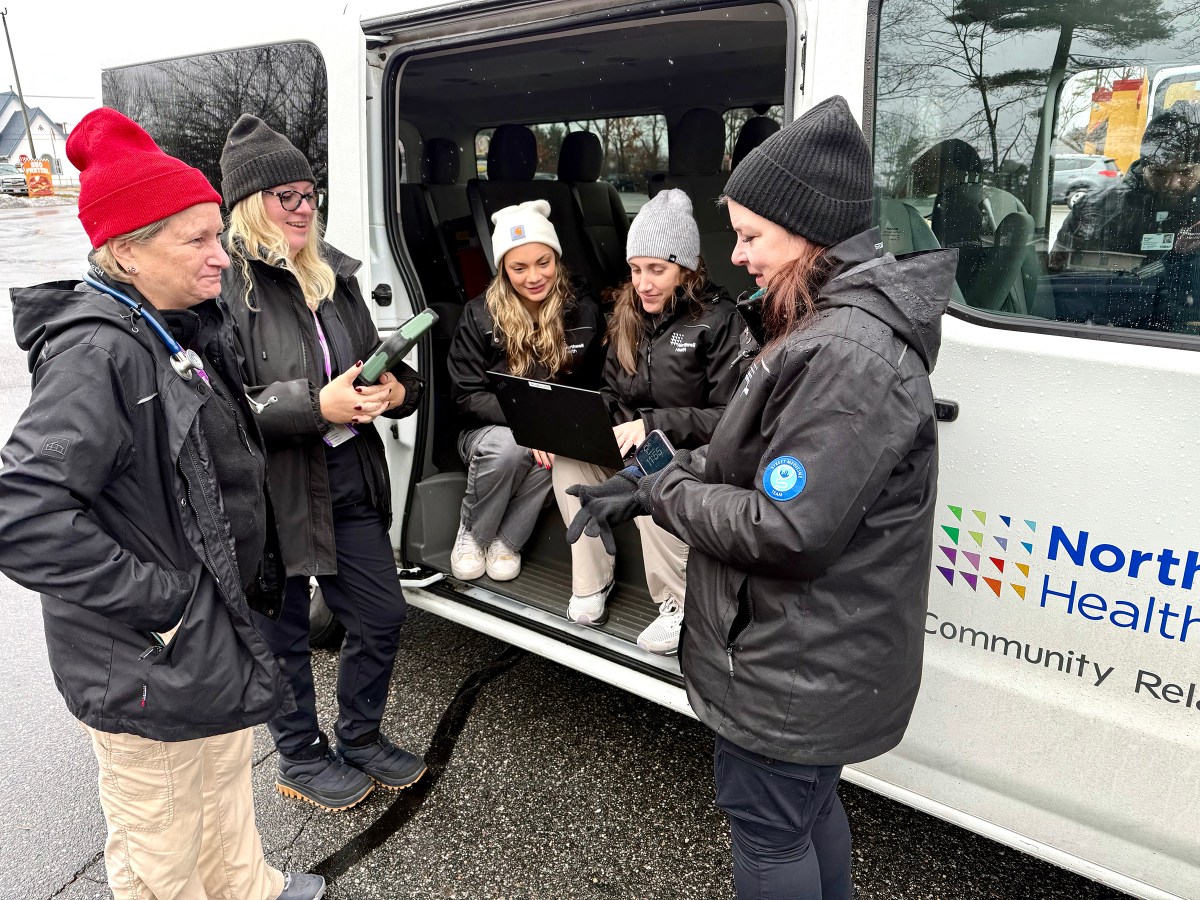
The coalition serves as the lead entity for the Long Island Continuum of Care, LaMarr said, meaning it leads the planning and execution of the count. He said the coalition works alongside other organizations, such as Northwell Health’s Street Medicine Team, who volunteer to aid the count.
“This year was a bit of a challenge,” LaMarr said, citing severe weather. “But we’re really proud of the count that we executed on Tuesday. We had almost 100 volunteers come out for the day.”
He said the full survey consists of the point-in-time count, which determines how many people are actively living unsheltered on a given day, and a housing inventory count, which shows how many people are living in a shelter or safe haven.
“For example, last year our unsheltered count was 320,” he said, “and our overall count was 4,540, I believe. So that’s everyone on that particular day who was experiencing homelessness whether that’s in the streets or in shelters.”
LaMarr said these surveys play a significant role in how funds are allocated nationwide, a process that changes by administration. He added that the numbers also help on a local level to plan where resources will be focused.
The coalition finds individuals by a number of strategies, including a form anyone can fill out about the locations of unhoused people who may need help, and the coalition’s street outreach teams, according to LaMarr.
“They’re out year-round working across Long Island,” he said. “Both working with existing clients who are living on the street and identifying other living on the street who we are not yet connected to.”