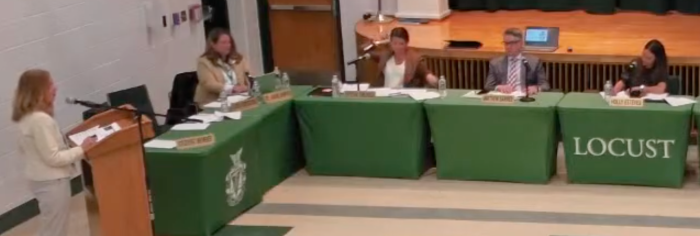




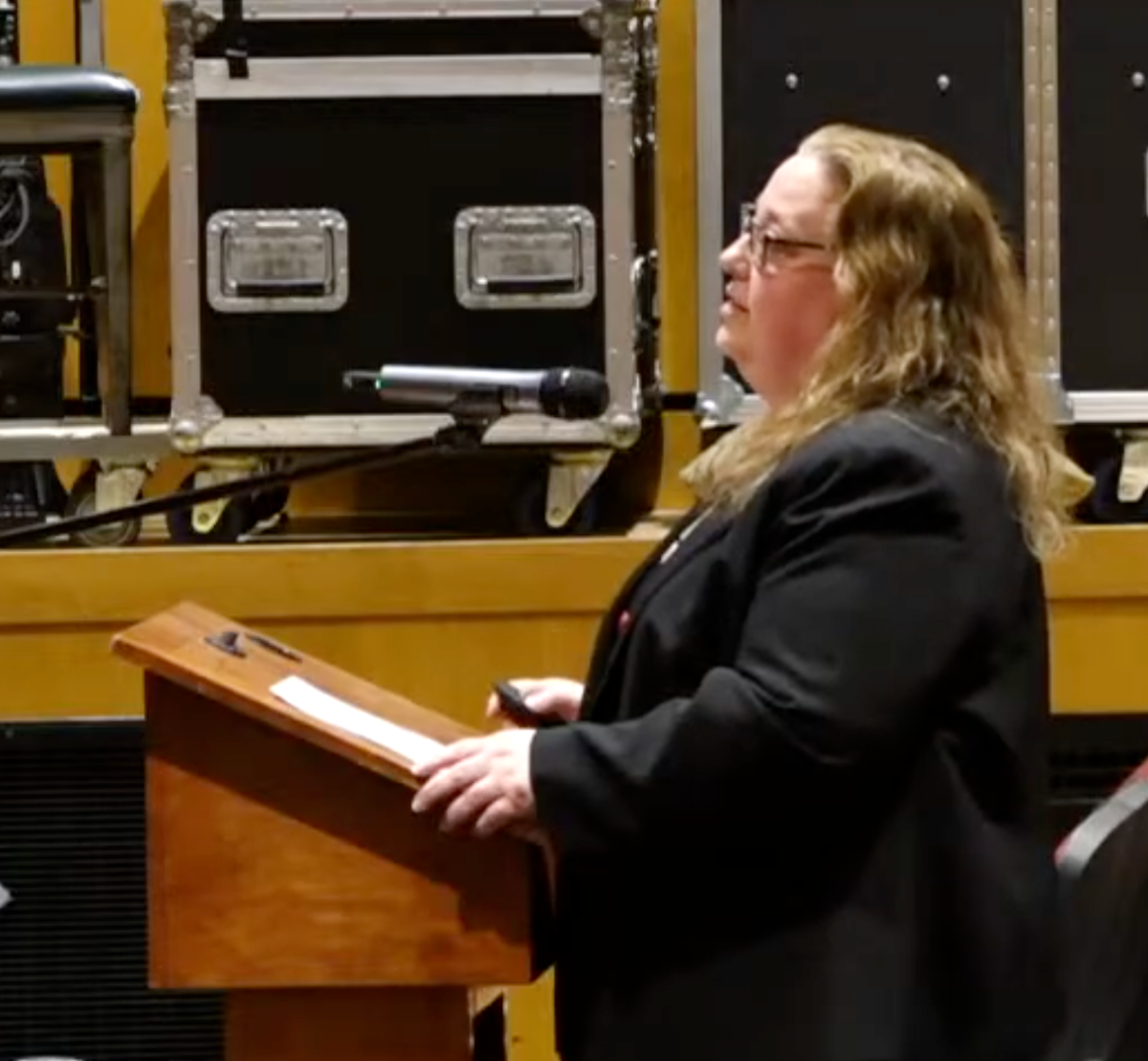
The Glen Cove City School District is still working on closing its gap for the 2026-2027 budget, district officials said during a board of education meeting on Wednesday, March 18.
District officials announced at a previous budget meeting that it was facing a shortfall as it prepared the 2026-2027 budget.
Superintendent Alexa Doeschner said the gross budget gap for the 2026-2027 school year is $7.57 million. The district is looking to use $2.8 million from its reserves to lower the gap to $4.77 million.
The district is planning a wide range of strategic reductions to address the budget gap. Doeschner said reductions will be made to the district’s Summer Academic Program, student-teacher conferences, curriculum writing, enrollment-based section staffing, TA and monitor reassignments, the district’s Twilight Program, supplies and postage.
“These decisions were not made lightly,” she said.
These reductions have lowered the district’s budget gap to $3.58 million, said Theresa Kahan, the district’s assistant superintendent for business and operations.
Doeschner said the district wants to protect core classroom teaching, athletics and extracurriculars, arts and music, academic programs and student support services.
“We have three forces happening at the same time and none of them are happening overnight and none of them are unique to Glen Cove,” Doeschner said about factors contributing to the budget gap.
Doeschner said the district’s foundation aid increases have normalized after years of heightened increases and that its declining enrollment and previous tax levy decisions have led to the district’s current financial situation.
She said the district expects to receive a 2.04% increase in foundation aid for the upcoming school year, which is less than the district’s cost increase. She also said the district’s declining enrollment leads to a perceived increase in wealth per pupil, which translates into a lower state funding share.
District officials previously said the district has seen declining enrollment over the past decade, noting that it had 3,273 students during the 2016-2017 school year and that, as of February of this year, it has only 3,059 students.

Doeschner also said the district levied below the allowable limit in three of the past six school years, “leaving a total of $1.7 million in revenue uncollected,” calling it “good-faith decisions” in the years following the COVID-19 pandemic.
She said that not levying to the limit each year doesn’t just reduce the tax levy that year, but allows permanently lowers the base for each future year’s tax levy calculation.
“This has contributed to the structural gap that we are now addressing,” she said.
Kahan said the gap requires structural change. She said the district will continue to evaluate programs and staffing needs, as well as explore increasing its use of reserves to address the budget gap.
“We are focusing on making improvements throughout the district to ensure a safe learning environment for our students,” Kahan said about proposed capital outlay projects, including the district looking to give a small makeover to its pre-kindergarten space and upgrade playgrounds and bathrooms throughout the district.
The district began its budget discussion in January but has yet to present its total proposed budget for 2026-2027. The district is currently operating with a $118.1 million budget for the 2025-26 academic year. The district has not presented a finalized budget figure for the 2026-2027 school year as it works on balancing the budget.
The board of education is set to adopt the budget on April 15 and the community will vote on the budget on May 19.