



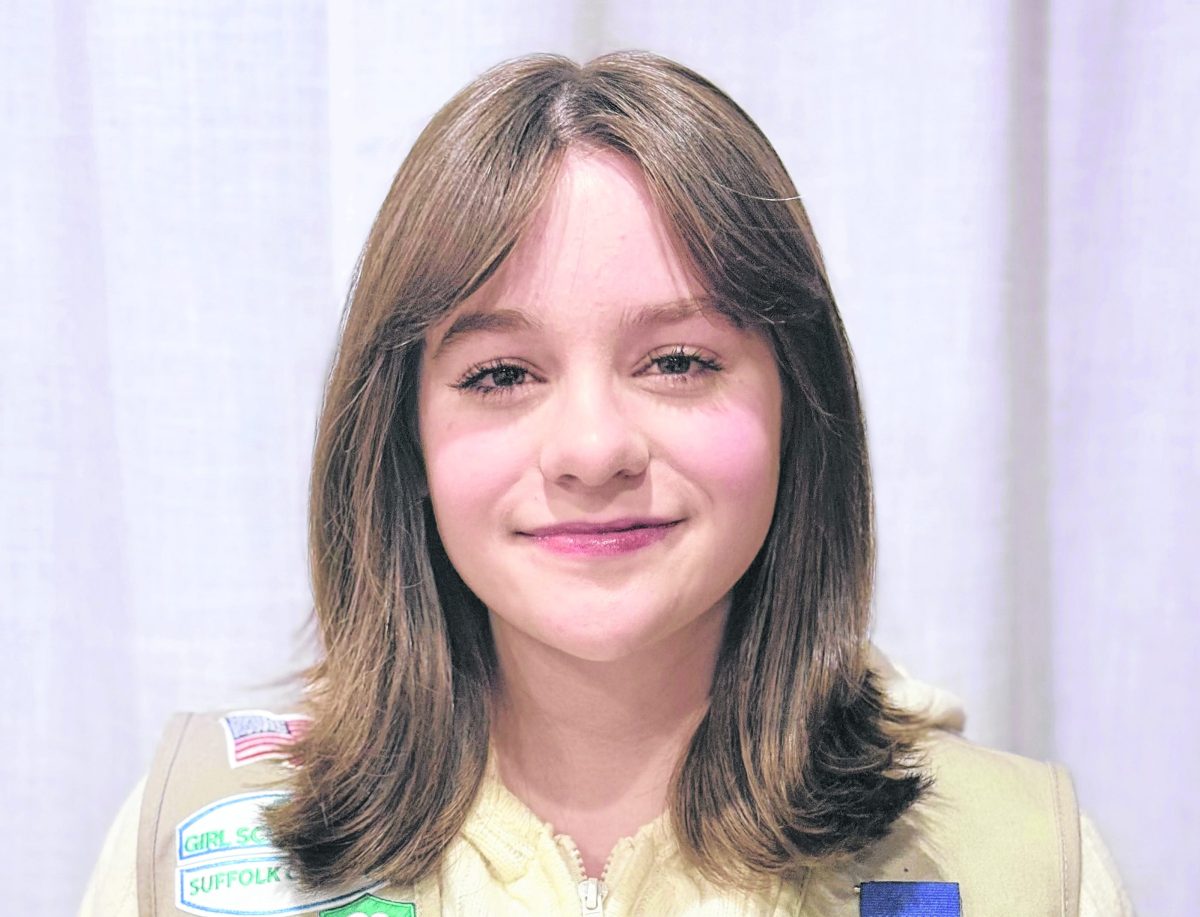
For Huntington High School senior Olivia LoBue, earning the prestigious Gold Award was about more than a badge — it was about bridging a critical gap. Inspired by family and community, she created sensory kits and training manuals to help Long Island first responders better assist individuals with autism during emergencies.
What inspired you to focus your Gold Award project on supporting individuals with autism and sensory processing challenges during emergency situations?
I have cousins on the autism spectrum, and I also have paramedics and firefighters in my family. Through them, I became aware of a gap in support for individuals with autism, particularly during emergency situations, when heightened stress and sensory overload can make an already frightening experience even more overwhelming.
I wanted to create something that would support both individuals with autism and the first responders working to help them. After researching possible solutions, I decided to develop Sensory Kits to be placed on board ambulances. My goal was to create a resource that would improve communication, reduce anxiety, and help ensure a safer and more comfortable emergency transport experience.
How did you identify the specific items such as noise-reducing headphones and fidget tools that would be most helpful for EMTs and firefighters?
I assembled a team of experts who agreed to guide and support me. This team included a paramedic, a special education teacher, a speech pathologist, and professionals who specialize in autism and special needs services. Each Sensory Kit was designed to reduce sensory overload and promote calm. The kits included fidget toys for tactile stimulation and distraction, noise-canceling headphones to block out loud and intrusive noises, sunglasses to reduce harsh lighting, and dry-erase boards to assist with communication.
What was the process like creating the training manual, and did you collaborate directly with local emergency responders?
I worked closely with my Gold Award team, a paramedic from the Commack Ambulance Exchange, the EJ Autism Foundation in East Islip, and the Smithtown Fire Department after learning they already carried Sensory Kits on their emergency fleet. Their insights helped me understand the use of sensory kits from a first responder’s perspective.
Can you share a moment during this project that really showed you the impact your sensory kits could have?
I attended several community events to educate families and organizations about Sensory Kits and how they could create their own kit. One particularly meaningful moment occurred when a mother shared that her son, who has autism, recently had to be transported to the hospital by ambulance. She described how frightening and overwhelming the experience was for him. She told me that having a Sensory Kit on board of the ambulance could have made a significant difference.
As a 12th grader preparing for graduation, how has earning your Gold Award shaped your future goals or career aspirations?
It taught me how to identify a real community need, collaborate with professionals, and turn an idea into a sustainable initiative. I discovered how powerful communication and advocacy can be.