


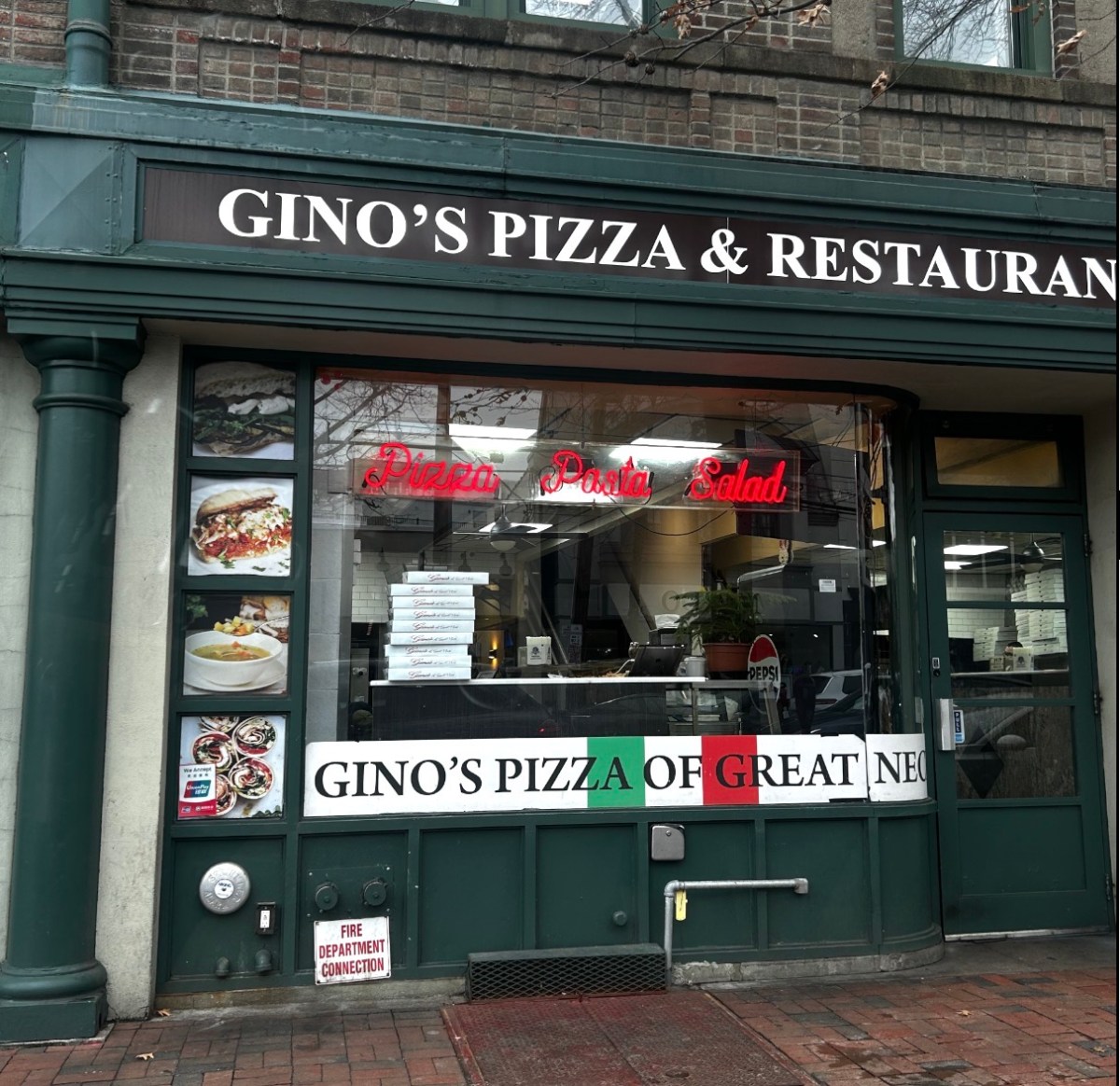
More and more, the food scene in Great Neck is about heart, community, and a dash of friendly rivalry.
In the pizza category, there are many spots dotting Middle Neck Road and its tertiary streets, both kosher and non. To that point, the New York metro area, including Long Island, is one of the most pizza-dense regions in the world.
Did you know that Long Island has more pizzerias per capita than NYC? There is roughly one pizzeria per 2,500–3,500 people. Do the math: There are approximately 45,000 residents on the Great Neck peninsula and only 10 pizza joints, so we are below average for Long Island. Still, we make up for that deficit in sushi restaurants. We have nine of them. Bring on the “sushi pizza!” Bon apetito!
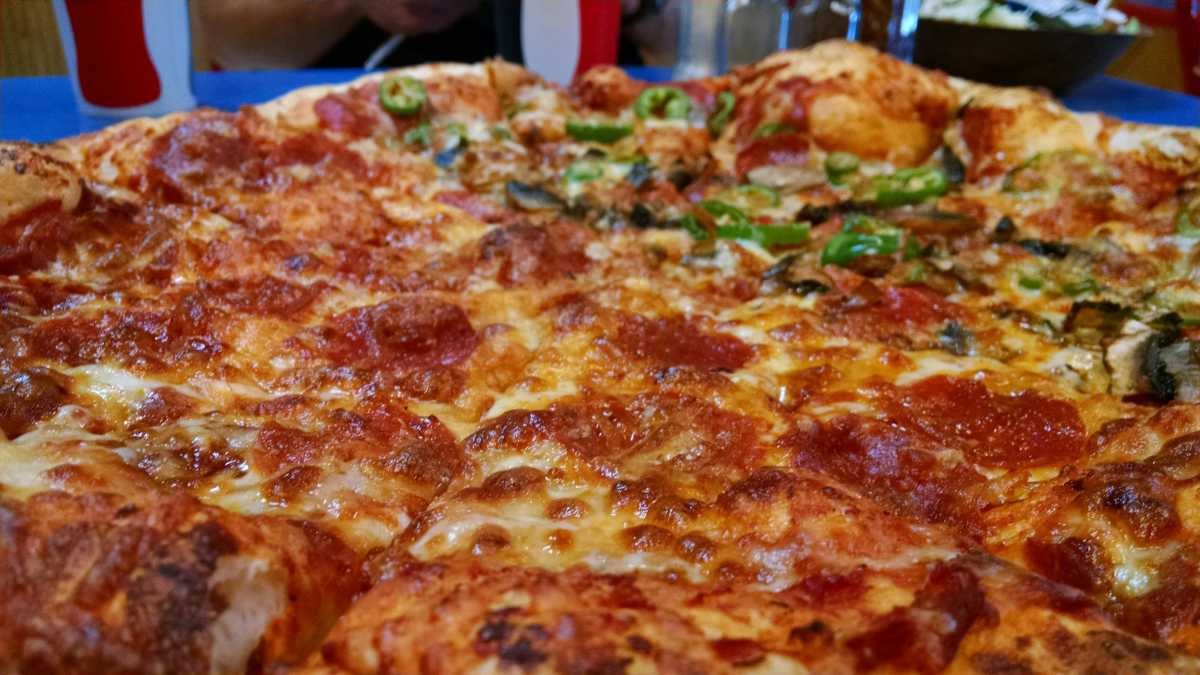
Interestingly, the most popular pizza in the U.S. appears to be pepperoni, which dominates because it’s affordable and has a flavor profile that appeals to almost everyone.
Well, erm, maybe not in our backyard. In our neck of the woods, plain cheese, mushrooms, and white pizza (ricotta & mozzarella) are widely popular, along with vegetarian toppings, cauliflower crust and gluten- free, likely due to the health consciousness of our residents and visitors.
Here, there and everywhere, no matter how you slice it, pizza has cultural staying power. It’s no wonder, really, as pizza is universal, cross-generational, and works in every setting: office, kids, late night, upscale, casual. Takeout and delivery are king – pizza is inherently delivery-friendly. Apps like Uber Eats, Slice, and Grubhub have expanded the reach of our local pizza shops, way beyond foot traffic.
Now, with Passover right around the corner, many Great Neck kitchens will be featuring all kinds of “matzah pizza.” Trend alert: Matsa areyes are “it” for Pesach 2026, per Instagram influencers Sivan and Ruhama. And for those who follow Great Neck’s Zach Neman (@cheffinwithzach) Mirza Ghasemi pizza and ghormehsabzi pizza are a must-try!
Pizza on the Peninsula
Some of our pizzerias are long-established, attaining O.G status for many decades- Ginos, Francescas, Mangia Bene, and LaPizzeria.
They have become neighborhood institutions—people return not just for the food, but because it’s part of their routine and community identity. Later, a second batch of pizza shops proliferated, including Elite, Royas, Rosas, and Pizza Roxx. More recently, Paradise Pizza and Bravo.
Of course, there is upselling too. Beyond pizza: salads, pasta, garlic knots, and yes, even sushi in a few of the kosher pizzerias add zeroes to the bottom line.
Catering also adds a revenue stream, attributable to all the at- home celebrations and parties we enjoy, to weekly stand-in lunch orders from the various school cafeterias, fire departments and other groups on the peninsula. Even in crowded markets like Great Neck, the combination of community ties, niche positioning, delivery, and smart pricing keeps our pizza joints profitable, year after year. Loyal customers, particularly in the local kosher crowd, provide a solid, supportive base.

Pizza 101: That’s Italian
Pizza traces back to Naples in the 18th–19th centuries. The modern version—flatbread with tomato and cheese—emerged among working-class Neapolitans. Before that, “pizza-like” foods existed for centuries (flatbreads with toppings), but Naples is where true pizza culture crystallized.
“Neapolitan Pizza” originated in Naples, Italy, with a traditional style dating back to the 18th century. The crust is thin, soft, and slightly charred at the edges from being cooked at very high temperatures, often in wood-fired ovens.
“New York–style” pizza is the most iconic and consumed across the country, in terms of style of pizza, crust and preparation.
Essentially an immigrant evolution, it was brought here by Italian immigrants in the late 1800s. It was designed to be portable and sold by the slice. The result: the iconic New York slice, which suited the fast-paced U.S. lifestyle. And yes, many find the mineral content of our water distinctive, affecting the flavor of the dough in all things pizza (and bagels).
“Chicago Deep-Dish” Pizza started out in Chicago, Ill., in the 1940s. Ingredients are layered in reverse order compared to regular pizza: cheese goes directly on the crust, then toppings and finally a chunky tomato sauce on top. It is usually eaten with a knife and fork.
“Sicilian/Detroit-Style” was brought to the U.S. by Italian immigrants and is usually thick and square. The crust is thick and airy, but crispy and caramelized on the bottom, due to an oil-lined pan.
Trending
Pizza is expanding globally and in the U.S., pizza demand remains consistent year‑over‑year, as one of the top three most-consumed foods in the U.S. The frozen pizza market in the U.S. is huge—Roughly $6 billion to 7 billion in annual U.S. sales.
While popular, pizza is not always the default choice for Gen Z, unlike tacos, sandwiches, or niche burgers. Mexican cuisines (e.g., tacos, burritos) have rapidly expanded in fast food — often outpacing traditional pizza growth in new store openings and cultural relevancy.
What’s old is new again, we had our Panchos on Grace Avenue, back in the day. Shout out to Mama Rosas, on South Middle Neck, in town. It’s our Dirty Taco, to an extent.
Believe it or not, burgers remain the largest share of the U.S. fast‑food market and continue to dominate market share in the dining space. In Great Neck, eateries like Great Neck Diner, Bistro Burger and Rothchild’s Kitchen regularly serve hamburgers. Luckily, we don’t need to travel off the peninsula in search of a good bite.
Janet Nina Esagoff founded Destination: Great Neck Ltd. in 2021, aiming to fortify and celebrate her hometown. Follow @greatneckbiz. In 2017, Janet launched Esagoff Law Group PC, with offices “in town” on Middle Neck Road. Prior to her law practice, Janet designed special–occasion wear for girls/teens at her Bond Street atelier, Party Girl.