



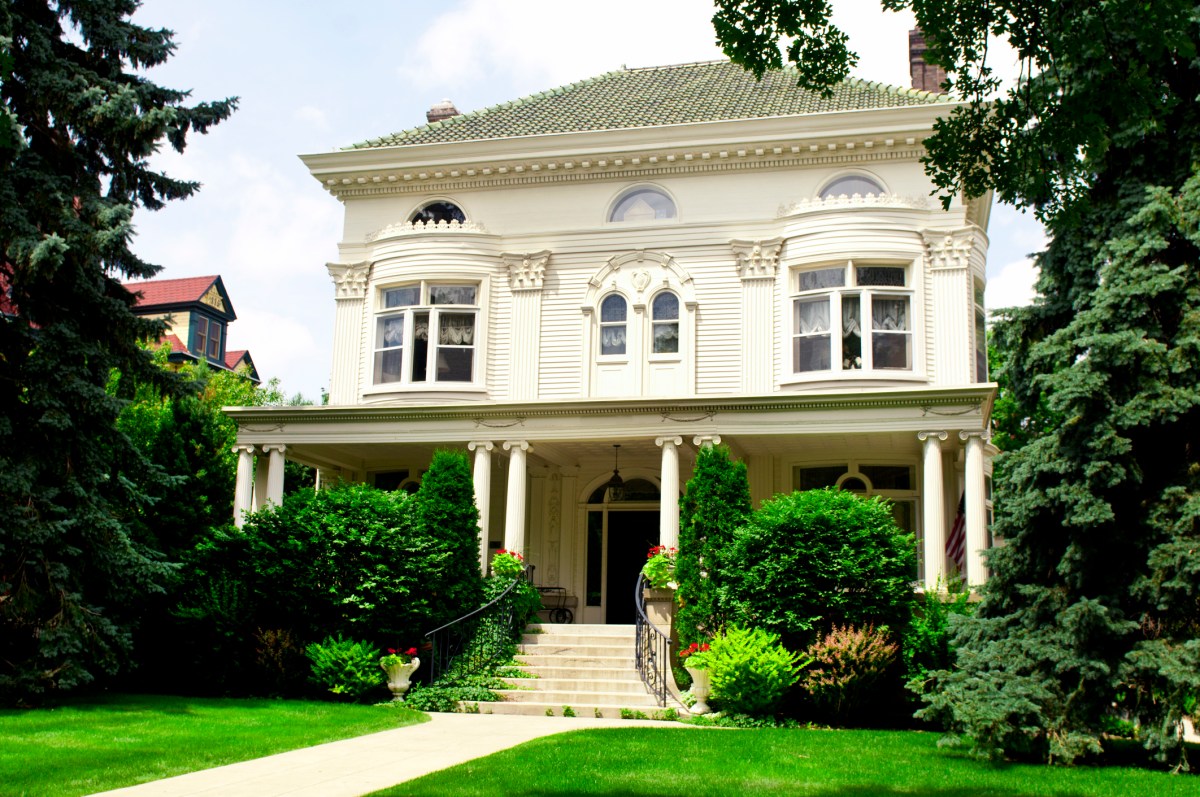
Renovating a historic home requires a careful balance between preserving original charm and meeting modern needs. Theadora Ralph, a hobby historian and restoration enthusiast, shares her experience and advice on navigating this delicate process.
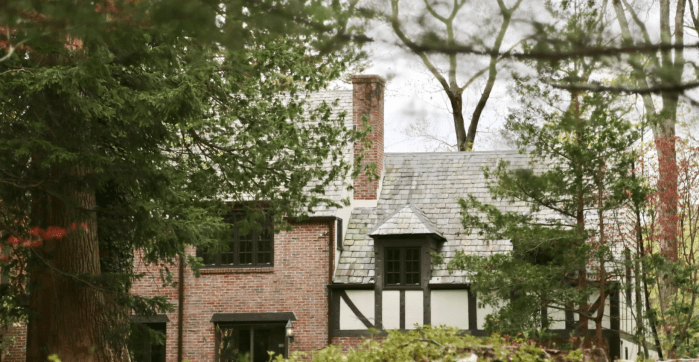
“I have a 1927 Tudor in Floral Park and I love the historical details,” Ralph said. “For example, my kitchen has the original cabinet with a built-in ironing board and a swinging door. Everyone told me to open up the wall between the kitchen and dining room, but my husband and I decided to keep it because it’s charming. I’m converting the ironing board into a spice cabinet, keeping the look but making it functional.”
Ralph stresses the value of retaining original features.
“Some of these elements you just can’t get back. Carpentry and craftsmanship like this aren’t common anymore. Everyone’s about convenience now, but the character is priceless.”
She emphasizes research as part of restoration.
“I use Ancestry and historical newspapers. You can find census data to see who lived in your house and even discover neighborhood events and stories. I’ve found everything from wedding receptions to bootlegger arrests connected to my area.”
Ralph also highlights the importance of thoughtful design.
“When I redid my bathroom, I kept the original black-and-white penny tile pattern but gave it a modern twist,” she said. “The same goes for my kitchen—keeping period style but updating it with new materials.”
Her approach combines respect for history with practical updates.
“If it’s original and useful, I keep it. If not, I find ways to modernize without losing charm.”
For homeowners tackling restoration, Ralph advises careful consideration and collaboration.
“My contractor always checks with me before removing anything,” she said. “It’s about preserving the soul of the house while making it livable.”
Ralph, who grew up loving old homes, believes preserving these unique features keeps the past alive.
“Historic homes have depth, character and stories that new construction just can’t match,” she said.
For those interested in historic home research, Ralph recommends local historical societies and community resources.
“Sometimes neighbors or Facebook groups can provide photos and memories that add to the story of your home.”
Living in her Tudor for six years, Ralph continues to renovate room by room, blending history with modern comforts.
“It’s a passion project,” she said. “You have to be patient, but the results are worth it.”
In all, Ralph’s advice for historic home renovation is clear: embrace the past, research thoroughly and preserve the craftsmanship that makes these homes truly special.
Navigating Architectural Zoning Rules and Finding Skilled Craftsmen
Homeowners renovating within historic districts face additional layers of complexity due to architectural zoning and preservation rules. Local historic preservation commissions often enforce strict guidelines designed to protect the character and appearance of neighborhoods. These rules can govern everything from exterior materials and colors to window styles and rooflines.
Before beginning any work, it’s essential to consult your municipality’s preservation office or zoning board to understand what changes require approval and what alterations might be prohibited. Failing to comply can result in costly fines or mandates to reverse unauthorized modifications.
Finding skilled carpenters who specialize in historic preservation is equally important. Traditional carpentry techniques and materials differ significantly from modern construction methods and not every contractor is equipped to handle the delicate work involved in restoring original features. Homeowners should seek referrals from local historical societies, preservation organizations or trusted real estate professionals familiar with historic properties.
Visiting ongoing restoration projects or speaking directly with craftsmen about their experience with period-appropriate techniques can also help. A skilled carpenter will prioritize craftsmanship and respect the home’s architectural heritage, ensuring repairs and updates retain the building’s authenticity while improving functionality.