



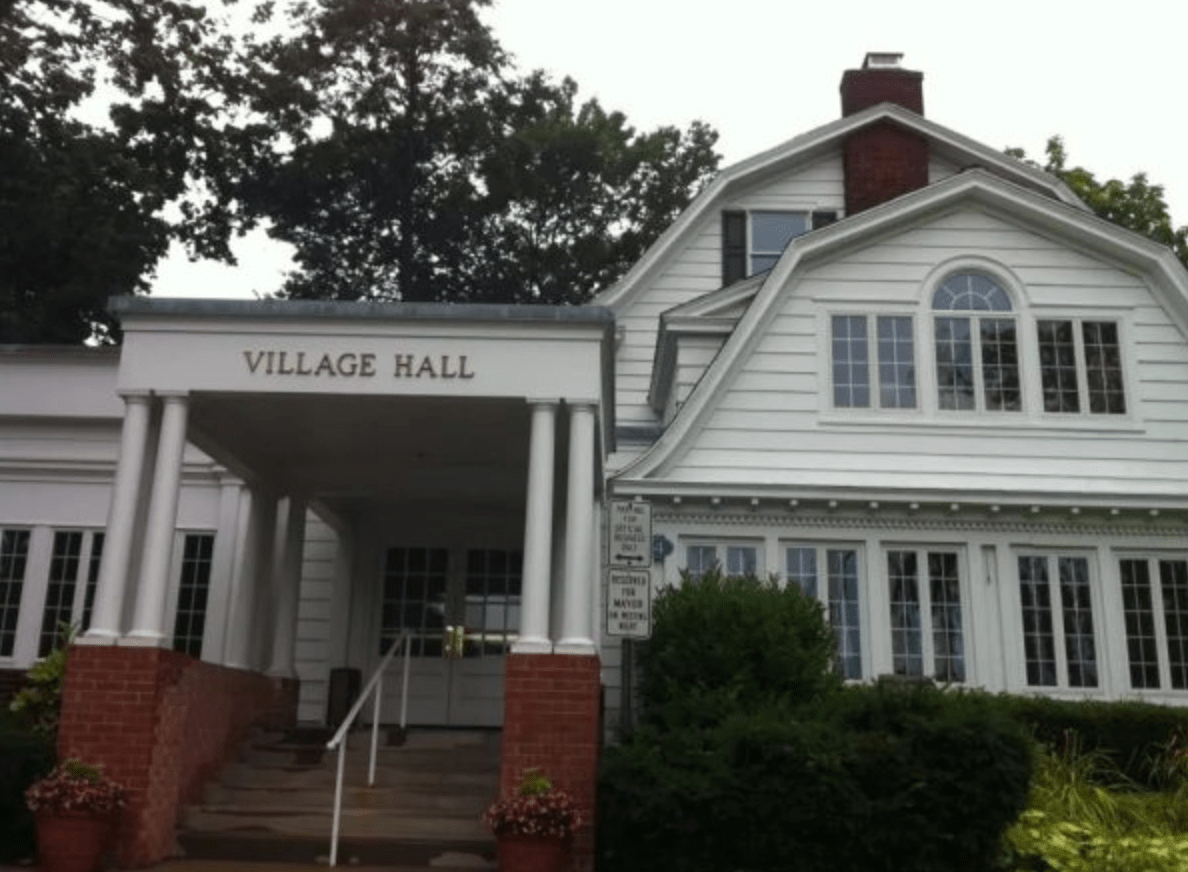
A New York appellate court ruled that homeowners can provide their own evidence in small claims assessment review, or SCAR proceedings, reversing a lower court decision that blocked more than 20 Village of Great Neck Estates residents from presenting statistical evidence to contest their assessments.
The court found that a SCAR hearing officer had acted improperly when they denied the admission of a homeowner’s evidence in their Feb. 11 decision, reopening thousands of cases across the state.
Connie Yeung and 20 other Great Neck Estates residents were represented by Maidenbaum & Sternberg, LLP in its litigation against the village.
“The decision is a win for Nassau County families,” said Shalom Maidenbaum, the founder of the law firm and Maidenbaum Property Tax Reduction Group, one of the largest property tax grievance consulting firms on Long Island.
“It preserves the right to make their case in SCAR in a fast and fair process.”
The ruling came right after the village announced its plans to undergo a village-wide property reassessment. The Village of Great Neck Estates declined to comment.
Maidenbaum Property Tax Reduction Group, LLC makes property tax assessment challenges on behalf of homeowners in Nassau County and collects a percentage of any tax savings secured. The company files over 70,000 grievance applications a year across multiple municipalities, often relying on home sales data and standardized valuation models to pursue reductions at scale.
Critics of the industry argue that these firms encourage blanket challenges to assessments, leading to assessment volatility. Still, Maidenbaum argued that his firm provides homeowners with an accessible way to contest inequitable property valuations.
“Everyone can file, but not everyone has a case,” he said.
The judgment follows three years of conflicting rulings on homeowners’ standing in SCAR proceedings and the admissibility of residential assessment reviews, or RARs, provided by the homeowner.
RARs measure how assessed property values compare to actual market values and are used to determine whether homeowners are being taxed at a consistent percentage of value.
In 2021, a Nassau County Supreme Court judge ruled that RARs provided by homeowners were inadmissible in a lawsuit against the Assessor of the Village of Garden City.
SCAR hearing officers then used that case for years to justify denying homeowner-provided RARs by the villages of Malverne, Great Neck, Great Neck Estates, Floral Park, Rockville Centre, and Freeport.
The villages argued that Section 1218 of the New York State Real Property Tax Law bars the admissibility of any evidence that challenges the RAR in a SCAR proceeding

“It was literally a total mess,” Maidenbaum said. “Certain villages wanted to basically stand years of practice on its head by limiting homeowners’ ability to even be at these hearings.”
“The whole [property tax grievance] industry is based on a very pro-taxpayer New York State statute that allows informal review and access for homeowners to challenge assessments,” Maidenbaum said.
The decision hinged on language from Section 732 of the New York State Real Property Tax Law, which states, “The hearing officer shall consider the best evidence presented in each particular case.”
“Such evidence may include, but shall not be limited to, the most recent equalization rate established for such assessing unit, the residential assessment ratio promulgated by the commissioner pursuant to Section 738 of this title, the uniform percentage of value stated on the latest tax bill, and the assessment of comparable residential properties within the same assessing unit.”
The language of “best evidence” was successfully used by Maidenbaum’s lawyers to argue that SCAR hearing officers must review evidence provided by the homeowner.
Villages are now facing three years’ worth of refund liability, as thousands of cases will have to be reviewed again, and many will be represented by Maidenbaum Property Tax Reduction Group, LLC.
Maidenbaum said the decision is among the most satisfactory he has seen in his career.
“Had we not stepped in, tens of thousands of homeowners could have been wrongly denied a standing in SCAR, and they would have been less likely to get their property taxes reduced,” he said.