



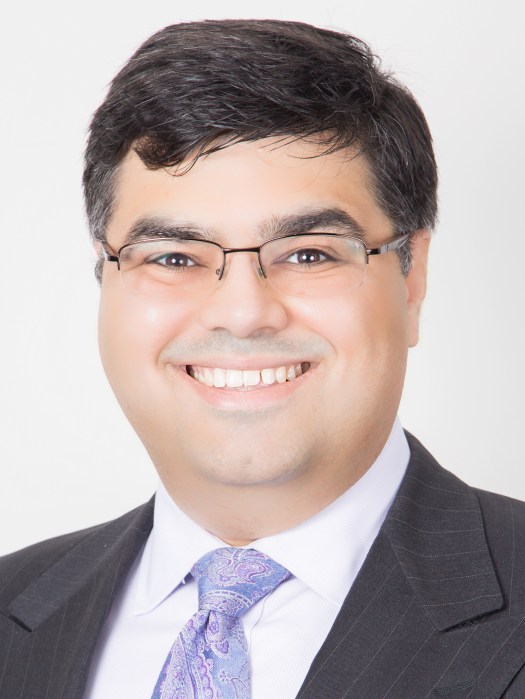
Shaan Khan, a Melville-based real estate broker and longtime advocate for professional standards and fair housing, has been installed as the 2026 president of the Long Island Board of Realtors, assuming leadership of one of the largest Realtor associations in the nation at a time of persistent housing affordability challenges.
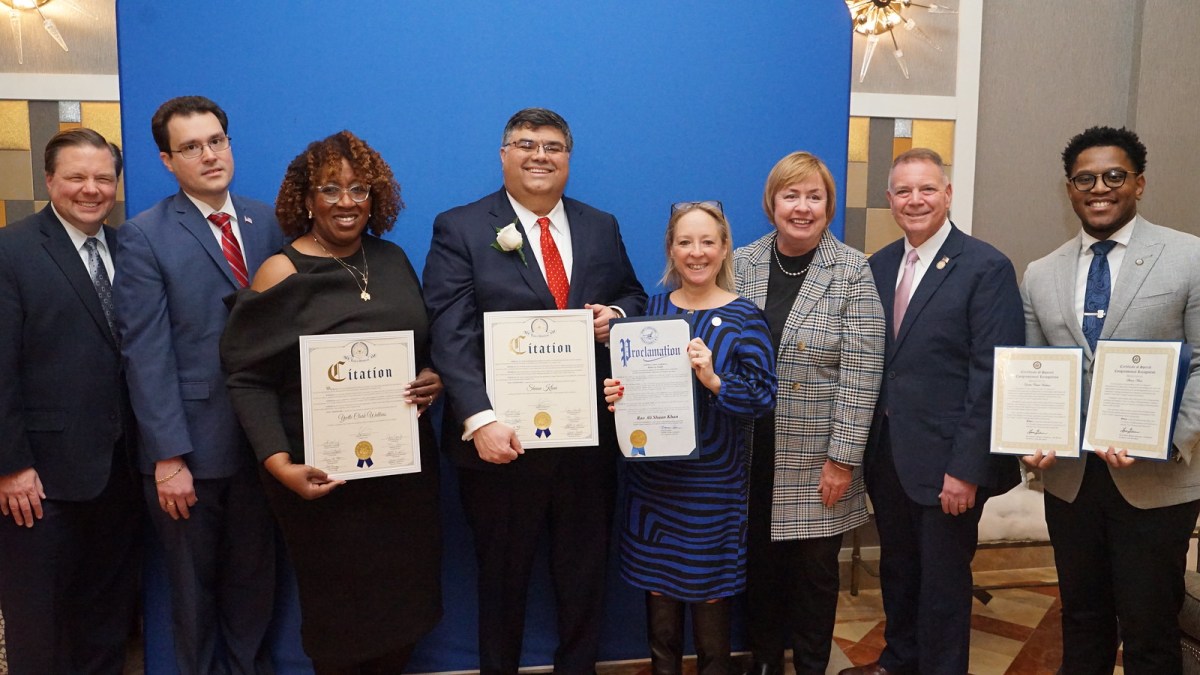
Khan was formally installed during the association’s Installation and Awards Event on Thursday, Jan. 8, at Jericho Terrace in Mineola. He became the 85th president of the Long Island Board of Realtors, known as LIBOR, which represents more than 25,000 real estate professionals across Queens, Nassau and Suffolk counties.
“It is an honor to serve as the 2026 president of Long Island Board of Realtors,” Khan said. “I look forward to working alongside our leadership team and members as we strengthen our profession, elevate ethical standards and clearly demonstrate the value Realtors bring to consumers and the communities we serve.”
A licensed broker and owner of RK Realty Group in Melville, Khan brings a background in public service, advocacy and real estate to the role. Born in Queens, Khan moved to Melville at age 5 and graduated from Half Hollow Hills High School West before earning a degree in economics and marketing from New York University’s Stern School of Business.
Following college, Khan initially pursued a career in politics and public service, working on political campaigns and later serving for seven years on the staff of then–Manhattan Borough President Scott Stringer.
As director of community affairs, he worked closely with community boards and local stakeholders, experience he said later proved valuable when he entered real estate and Realtor leadership.
Although he comes from a real estate family, Khan said his path into the profession was not immediate.
“Real estate has always been in my blood, but it was never something I particularly saw myself doing. My interest was more in public service…” Khan said.
After returning to Long Island and working alongside his father in mortgage brokerage, he ultimately transitioned into real estate sales and brokerage, where he found fulfillment guiding buyers and sellers through what he described as one of the most vulnerable and significant moments of their lives.
“My father encouraged me to go into real estate, and I found that I really enjoyed it,” Khan said. “I like being there at the very beginning of the process, particularly with buyers sitting down with them at the very start of their journey, counseling them on the different options, and taking that all the way through the process of getting a home.”
Khan joined the Long Island Board of Realtors as a member in 2016 and became increasingly involved in its governance, joining the board of directors in 2020. He said his interest in leadership stemmed from the association’s focus on education, ethical standards and advocacy.
“A Realtor is not the same as a real estate licensee,” Khan said. “Realtors commit to a strict code of ethics, ongoing education and professionalism. That distinction matters — not just for our members, but for consumers and communities.”
Since joining the board, Khan has played a key role in shaping LIBOR’s strategic direction, including helping lead the association’s 2023–2024 strategic plan and chairing its bylaws committee. He has also served in leadership roles at the state and national levels, where he has advocated for fair housing initiatives and participated in housing finance policy discussions.
LIBOR CEO Doreen Spagnuolo said Khan’s leadership style and experience position him well to guide the organization.
“His collaborative, governance-driven approach will be invaluable as we advance innovative programs that support our professionals and enhance the consumer experience,” Spagnuolo said in a press release.
Khan succeeds Mark Donnelly, whom he described as a mentor and steady leader. The two worked closely together over the past several years, including on strategic planning initiatives. Khan said he hopes to carry forward Donnelly’s emphasis on thoughtful decision-making and collaboration.
Looking ahead, Khan said addressing housing affordability will be one of his central priorities. He pointed to historically low housing inventory across Queens, Nassau and Suffolk counties as a major driver of rising costs, noting that supply has not kept pace with demand.
“Tackling affordability requires partnership,” Khan said. “It’s not something one organization or one level of government can solve alone. We need coalitions that include elected officials, housing advocates and industry professionals working together to increase housing supply while protecting communities.”
He emphasized the need for infrastructure investments, such as sewer expansion, to support responsible housing development, particularly on Long Island.
Khan also said he hopes to expand member engagement within LIBOR, bringing in new voices and perspectives while continuing to raise professional standards across the industry.
“We are a member-driven association,” he said. “The more involved our members are, the stronger we are — and the better we serve the public.”
Khan is joined on LIBOR’s 2026 executive committee by President-Elect Yvette Clark Watkins, Secretary-Treasurer Renée Hughes and Immediate Past President Donnelly.
The installation event also recognized LIBOR’s 2025 award recipients, including Gina Marie Bettenhauser, who received the association’s inaugural Realtor of the Year honor, along with awards for affiliate service, community volunteerism and lifetime achievement.
As he begins his term, Khan said his focus remains on collaboration, ethical leadership and ensuring that homeownership remains accessible and fair across Long Island’s diverse communities.