



With what appears to be more than a dozen sicknesses and ailments circulating this time of year, many people (including myself) are coming to terms with battling a cold or flu-like illness for longer than expected.
While you may be reaching for the Sudafed, also look to what is on your plate to help boost your immune system and assist your cold-fighting efforts.
Common creature comforts when sick vary from chicken noodle soup to saltines, but why bore yourself and your taste buds? There are so many more options available, but the key is to look deeper into your dishes by seeking out specific ingredients you want on your side.
Here are some key ingredients to keep in (or omit from) your cold-fighting arsenal:
Hydration
Hydration is key in fighting illnesses, but water does not have to be your only method.
Water is the ideal method of hydration, so don’t cut that out of your diet. Instead, seek to supplement your water intake with other hydration methods.
I know myself, and I am not the best at consuming high volumes of water. I need a little beverage treat sometimes to make me feel better, especially when I’m sick. This is where electrolyte drinks come in.
While Gatorade is the go-to for so many people, it often includes large quantities of sugar. High volumes of sugar are not recommended while sick as it can potentially dehydrate you further, according to Hartford Healthcare.
The same can be said for popular electrolyte powders added to water, which are an easy thing to have on hand at all times to use when needed.
Don’t write off these powders altogether, though, just seek out the options that could work best for you.
Liquid I.V. is a popular brand for electrolyte powders, but its normal line includes 10-11 grams of added sugar. For some people, that’s an okay amount, but if you’re seeking to reduce your sugar intake, you can opt for their sugar-free options.
Another popular brand, and my go-to, is LMNT, which utilizes sodium and potassium for hydration and energy production. All of the brand’s flavors are sugar-free, including options like grapefruit, mango chili, citrus and raspberry.
But hydration is not only found in beverages, it’s in your food, too!
The most hydrating foods include cucumbers, celery, lettuce, melons and berries.
And if all else fails, brothy soups are still a great option for hydration.
Ginger
Nausea is no fun. What comes afterwards is even worse. But ginger can be your saving grace.
According to the National Health Institute, what makes ginger so pungent in flavor is also what makes it so effective at combating nausea. Ginger has been used to combat nausea and vomiting for thousands of years.
As I underwent chemotherapy, nausea was almost guaranteed. During my first treatment session, a dietician sat down with me to go over a beneficial diet to help me recover. Foods to combat nausea were at the top of the list, with ginger being the most common solution.
My favorites were chewy ginger candies, which I know sounds counterproductive to be eating candy while sick. BUT, they really were so helpful to curb nausea and there are many options that are lower in sugar than most candies you find in the store. Common brands include Gin-Gins, which include only seven grams of added sugar, Traditional Medicinals Organic Belly Comfort Lozenges, which have three grams of added sugar, and Prince of Peace ginger chews, which have three grams of added sugar.
If ginger isn’t your thing, many brands offer a variety of flavors to cut down the ginger taste, so try the ones that suit your taste buds.
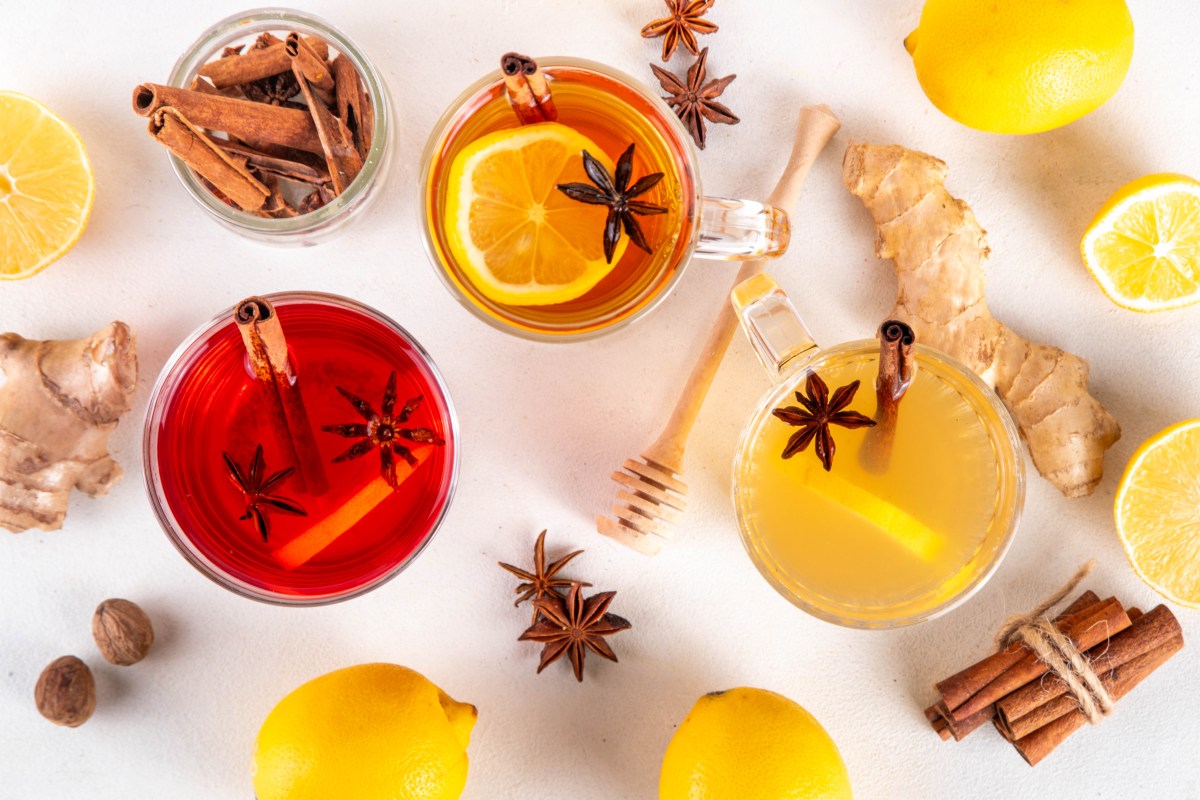
Another method to get ginger into your system is through teas, with a variety of options available in the herbal tea section of most grocery stores.
The no-nos
Unfortunately, it seems that there are more foods you should avoid while sick than there are options for what you can have. While I come from the camp that you should eat what sounds good to you while you’re sick, as it’s better to be fed than starved, there are definitely some things you should seek to omit from your diet.
At the top of the list are greasy foods, so maybe put down the fried chicken and pizza. Oftentimes, high volumes of grease can further upset an already troubled stomach.
Other foods and drinks to avoid are those that can dehydrate you. These include high volumes of sugar, alcohol and caffeinated drinks.
At the end of the day, listen to your body and test out different methods to see what works for you. Everyone is different and can handle different remedies, so your approach to healing yourself through your stomach may look different from someone else’s.