



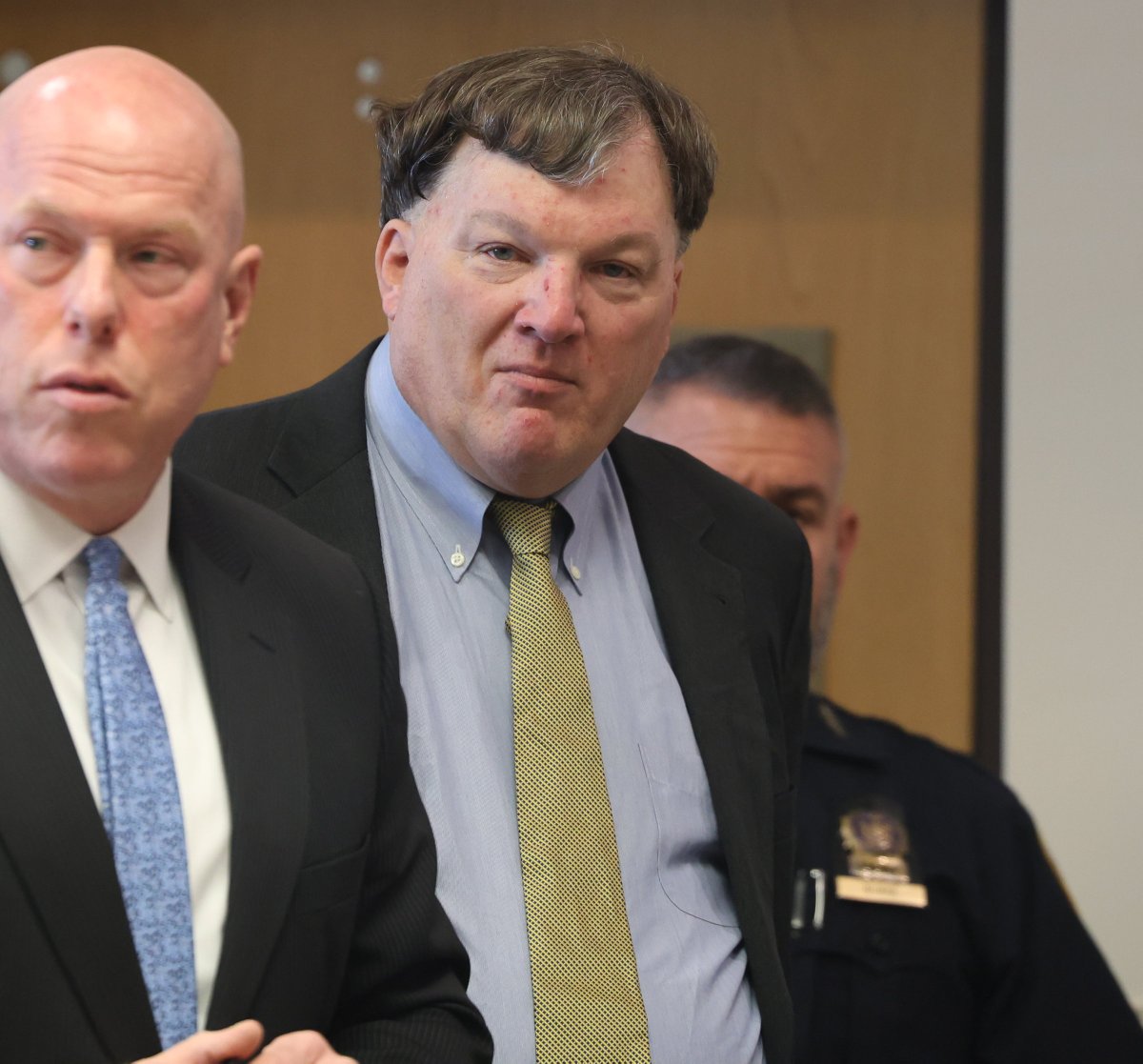
The alleged Gilgo Beach serial killer trial has a start date at long last.
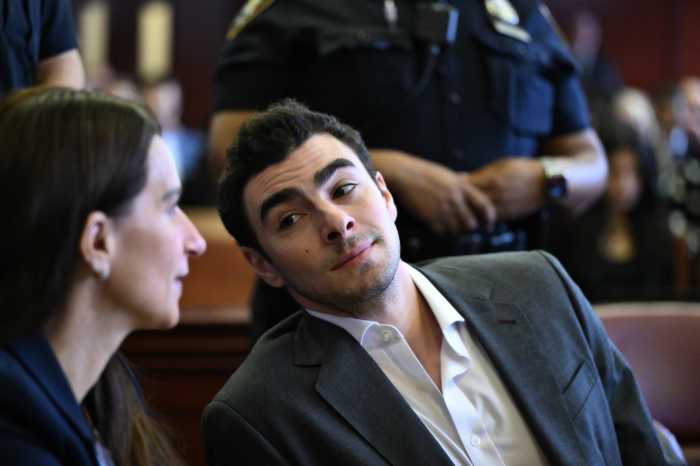
After years of pre-trial hearings and deliberations, the trial of suspected Long Island serial killer Rex Heuermann, 62, will begin “right after Labor Day, come hell or high water,” said Judge Timothy Mazzei in his Riverhead courtroom on Jan. 13.
Labor Day, Sep. 7, will be a little over three years since Heuermann was first arrested in connection with the murders of Melissa Barthelemy, Megan Waterman and Amber Costello. He has since been additionally charged with the murders of Maureen Brainard-Barnes, Jessica Taylor, Sandra Costilla and Valerie Mack. He pleaded not guilty to all seven murders.
The deadline hasn’t slowed down his defense team, including attorneys Michael Brown and Danielle Coysh, who continue to push back against the charges and evidence against Heuermann. On the day before the Jan. 13 hearing, which Mazzei had set as the deadline for any further challenges to the case, the defense team filed a 178-page motion that includes a request to dismiss the murder charge for Costilla.
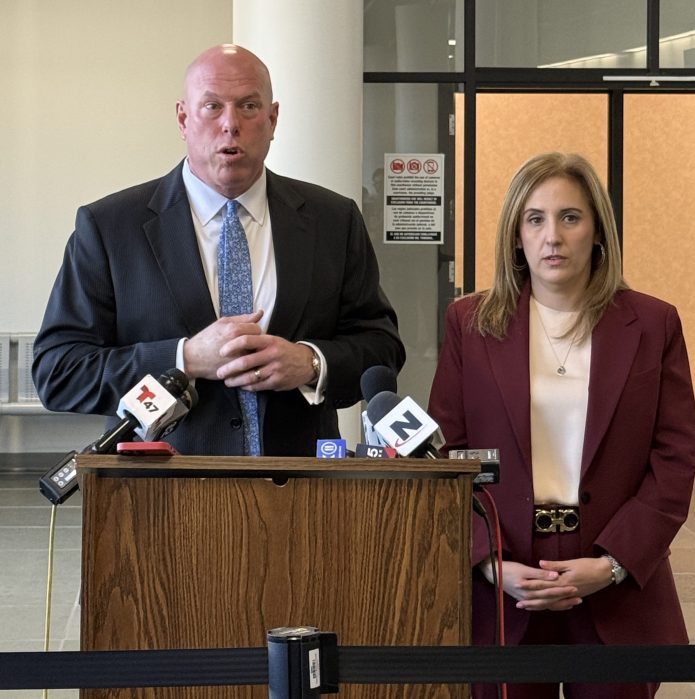
“An indictment must be supported by reasonable cause to believe a person committed an offense,” Coysh told reporters outside the Riverhead courtroom. “The people’s evidence that links Rex Heuermann to Sandra Costilla’s crime is a single hair on a shirt, not on her body. In fact, there was two shirts that she had been wearing, and this hair is on the outer shirt … That doesn’t establish probable cause, simply a hair on her shirt.”
READ MORE: What evidence links alleged Gilgo Beach Killer to more victims?
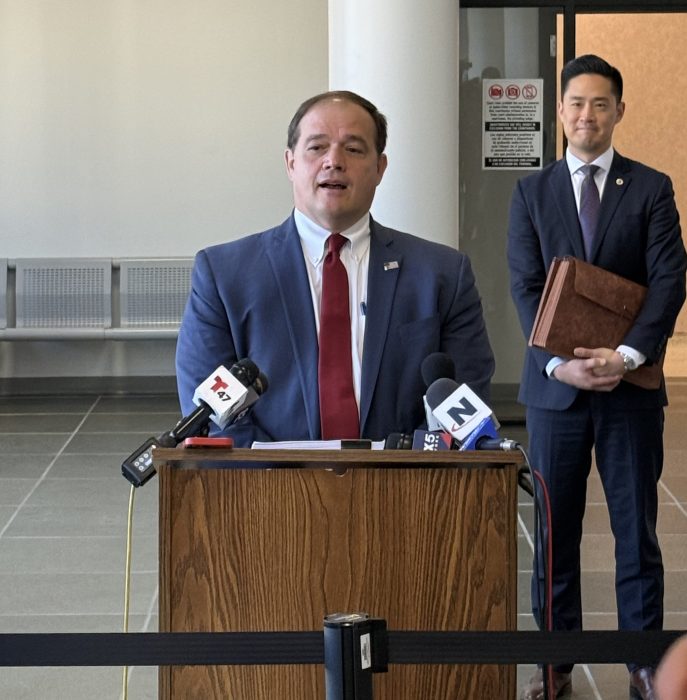
The prosecution, led by Suffolk County District Attorney Ray Tierney, is confident the Costilla murder charge will stick.
“When we look at it, we think we’re on a good footing, and we’ll certainly oppose that branch of the motion,” Tierney said. “The vast majority, if not all of the motion, we will oppose.”
Also included in the 178-page filing is an objection to law enforcement extracting and analyzing Heuermann’s DNA from a pizza box he threw out. Heuermann was arrested after tests determined his DNA to be a likely match to DNA samples taken from the victims’ bodies. But extracting Heuermann’s genetic data, the defense argues, is a violation of the Fourth Amendment.
The Fourth Amendment protects citizens from unreasonable searches and seizures, ensuring privacy from the government. When an individual discards something — like a pizza box — they abandon their private claim to that property. But when someone voluntarily gives up their claim to an empty pizza box, do they also voluntarily give up their claim to their own DNA on it, and all the personal data that comes with it?
That answer should be a resounding no, the defense argues; Fourth Amendment rights must be expanded to include protections from the government seizing and analyzing one’s DNA.
“Science is outpacing the courts,” Coysh said. “The information of our government could go in our garbage can and take our DNA and learn everything about us — what’s the purpose of having a Fourth Amendment anymore? What’s the purpose of having any line between us and the government?”
Tierney and the prosecution have until March 3 to respond to the 178-page motion. The defense will then have until March 17 to respond.
For more Long Island Serial Killer coverage, visit longislandpress.com/tag/long-island-serial-killer