



The North Shore Central School District is taking a deliberate, systemwide approach to digital fluency, computer science and artificial intelligence, district leaders told the Board of Education on Thursday, Jan. 15, as administrators emphasized the need to balance technological innovation with student wellness, ethical judgment and human-centered learning.
During an extensive presentation, teachers and administrators detailed how digital fluency is being taught from kindergarten through high school and how the district is beginning to respond to the rapid emergence of artificial intelligence in education.
Officials stressed that technology instruction at North Shore extends beyond basic technical skills to include critical thinking, problem-solving, digital citizenship and ethical decision-making.
Superintendent Christopher Zublionis said the district has formed both a districtwide technology committee and a separate artificial intelligence task force made up of teachers, administrators and a student representative. The groups are examining how AI is already affecting students’ learning and how schools should respond responsibly.
“AI is an incredibly powerful tool, but also one with real risks,” Zublionis said. “We are focused on making sure our students remain active thinkers and learners, not passive users of technology.”
District leaders said AI is not being used instructionally at the elementary level, where the focus remains on building awareness and foundational digital habits. At the secondary level, discussions center on ethical use, academic integrity and how assignments and assessments may need to evolve in response to technology that can generate content instantly.
Teachers outlined how computer science instruction begins with hands-on, screen-limited activities in elementary school and expands into programming, cybersecurity, data analysis and ethical discussions at the middle and high school levels. All eighth graders are required to take a computer science course, and high school students can choose from introductory, Advanced Placement and International Baccalaureate offerings.
Administrators also previewed proposed changes to expand access and engagement, including adding a second eighth-grade option tentatively called “Living in the Digital World,” which would explore broader topics such as digital citizenship, cybersecurity and the societal impacts of technology alongside coding.
Board members praised the district’s measured approach, with several trustees emphasizing the importance of teaching students how to think critically rather than simply how to use tools.
Following the technology presentation, the board turned to a range of other district matters, including finances, facilities, student activities and upcoming votes.
Student board members Genevieve and Luna shared updates from the high school, reporting improved Wi-Fi performance after months of connectivity complaints. They said students have noticed faster log-in times and fewer disruptions since January.
The students also said senior athletes expressed appreciation for progress on football field lighting and voiced strong support for turf fields, calling it a common priority among student athletes. In addition, they highlighted increased school spirit at recent boys basketball games, including a home contest honoring local veterans that drew large student attendance.
Zublionis acknowledged past Wi-Fi issues and said the district continues to troubleshoot the network. He noted that North Shore’s decision to allow students to use personal devices at the high school level, unlike some neighboring districts, adds complexity to managing multiple networks.
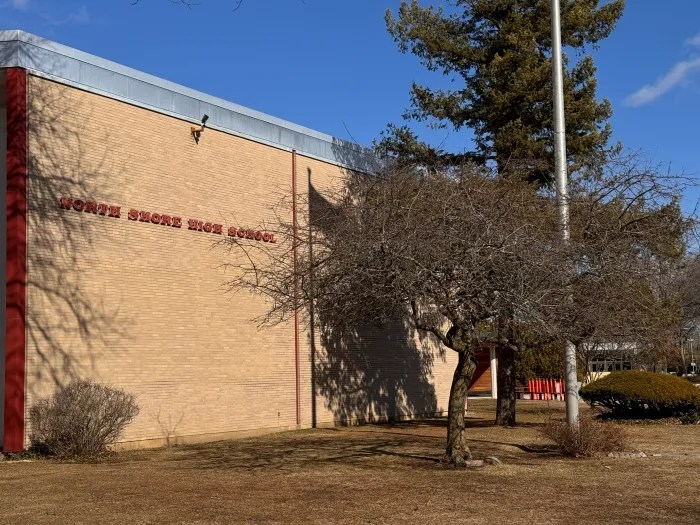
The superintendent also provided an update on the district’s upcoming capital reserve and bond vote, scheduled for Feb. 10. The vote will be held at North Shore High School from 7 a.m. to 10 p.m., with absentee and mail-in voting available under the same rules as the annual budget vote.
Zublionis said the district has begun a series of community meetings with parent groups and school organizations to explain the proposed projects. A dedicated section of the district website now includes informational mailers, an extensive FAQ document and additional materials related to the vote.
While visiting district athletic fields earlier in the day, Zublionis said visible wear and heavy use reinforced the need for facilities improvements included in the proposal.
Administrators also highlighted academic initiatives, including the district’s annual eighth-grade National History Day symposium. Every eighth-grade student participates in the program, which emphasizes historical research, analysis and performance-based assessment. Select students will advance to a regional competition at Hofstra University.
The district also announced an upcoming informational meeting for parents regarding federal funding, particularly as it relates to special education. Officials emphasized that the session is not in response to anticipated cuts, noting that North Shore receives a relatively small amount of federal aid and does not expect major losses. The meeting is intended to clarify how funding works and address parental concerns.