


To the global audience, the Super Bowl halftime show was a 13-minute concert. To the entertainment industry, the show featuring Bad Bunny was a $20 million miracle of engineering executed on a strict timeline.
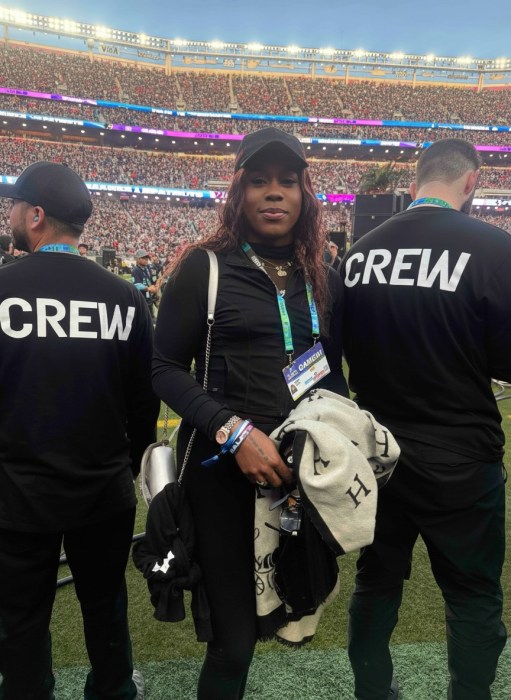
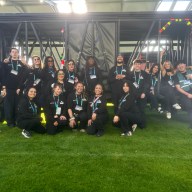
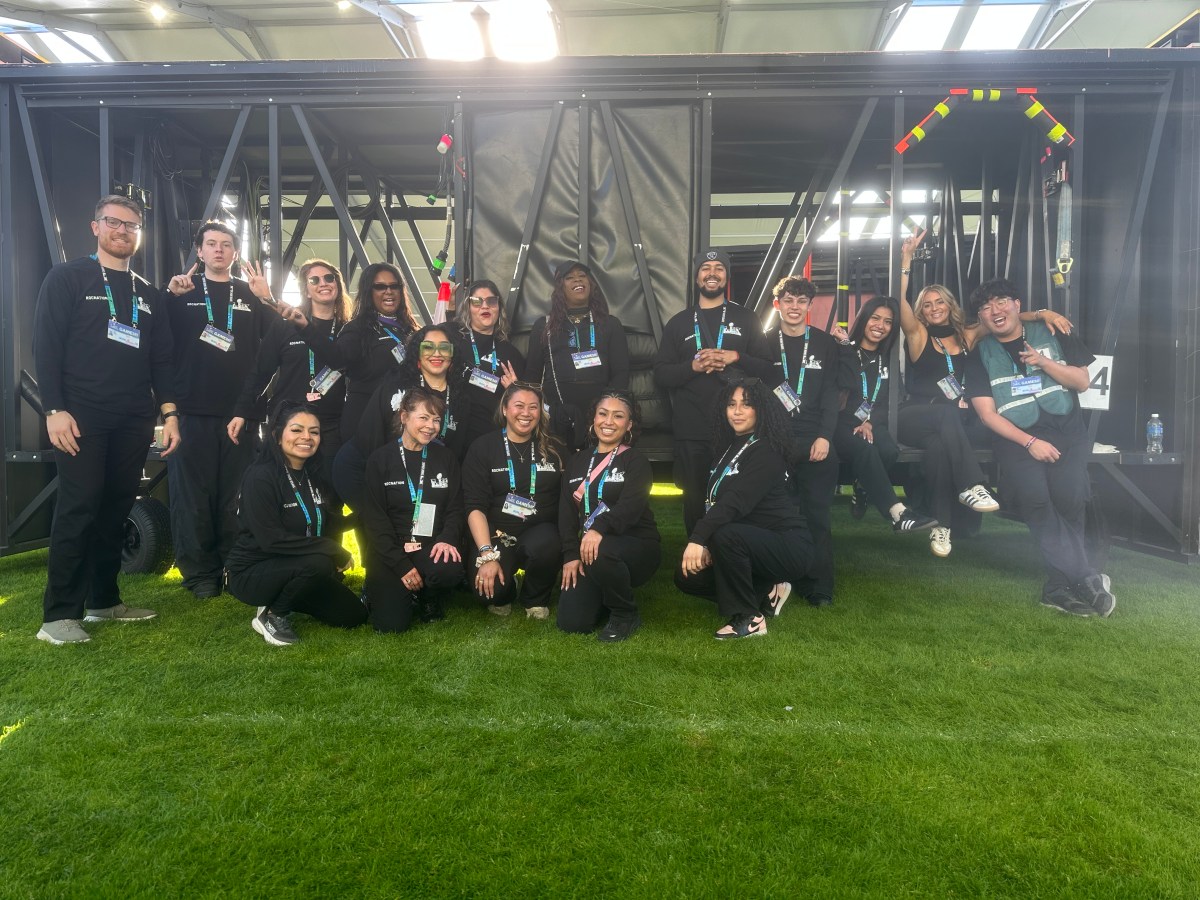
A Hofstra University journalism student, I spent the last two weeks embedded with the Field Team for Super Bowl LX to witness the operational architecture that Apple Music and Backlit erected in Santa Clara.
Backlit is the premier staffing agency responsible for the field logistics and they do not just manage staff. They manage chaos. What looks like effortless entertainment on screen is actually the result of a war-room mentality in which precision is the only currency that matters.
The logistics of the halftime show are staggering. This year, the production relied on 35 massive carts dedicated solely to the stage setup. That number does not even account for the separate armadas of camera jibs, audio towers, and lighting rigs that must converge on the 50-yard line simultaneously.
Leading this charge is Backlit. They bridge the gap between creative ambition and physical reality. For two weeks, the training is rigorous and confidential. We saw the production evolve from a concept on paper to a physical colossus. We watched the empty skeleton of a stage become a broadcast-ready masterpiece.
The margin for error is nonexistent. The load-in is the critical window when the field is transformed, and it is a study in efficiency. It is a high-stakes ballet where hundreds of team members must move in perfect synchronization.
“It is heavier than it looks,” says Field Team member Noah Contreras regarding the sheer density of the equipment.
He is right. These are industrial-grade staging units that must be wheeled over turf and locked into place before going live in under six minutes.
Despite the brutal physical demands, there is a profound sense of structure. The production takes care of its own. We were fed well and supported constantly, which created a tight-knit environment where a sense of family emerged from the grind. You quickly realize that the mission is bigger than any single individual.
Nothing prepares you for Game Day. When you are standing in that arena and waiting for the signal, the atmosphere shifts. The roar of the fans is electrifying. It is an energy you can get drunk off of because it is intoxicating and humbling all at once.
As the show went live, the rigorous weeks of drilling paid off. The 35 carts hit their marks. The audio team, the camera operators, and the Field Team locked into a single frequency. Paris Middleton, a team member, noted the texture of the final product: “This production was colorful and full of love.”
It is a rare privilege to create one of the most-watched events in the world. When the pyro fades and the breakdown begins, the magnitude of what was accomplished settles in.
Team member Yasmin Guevara captured the ethos of the night by quoting the performance itself: “The only thing more powerful than hate is love.”
Behind that love is strategy. There is a war room. Thanks to the precision of Backlit and the Field Team, there is a show that the world will never forget.
• The Performance: Stream the full show on Apple Music or the NFL YouTube Channel.
• The Documentary: Watch “Bad Bunny’s Road to Halftime” on Apple Music for an inside look at the creative process.