



A frenzy is on the horizon, and you may not even know it yet.
After months of extreme cold and even a blizzard, so many people are itching for the start of spring. But for food connoisseurs, spring doesn’t just usher in better weather and sunshine; it also means the beginning of ramp season.
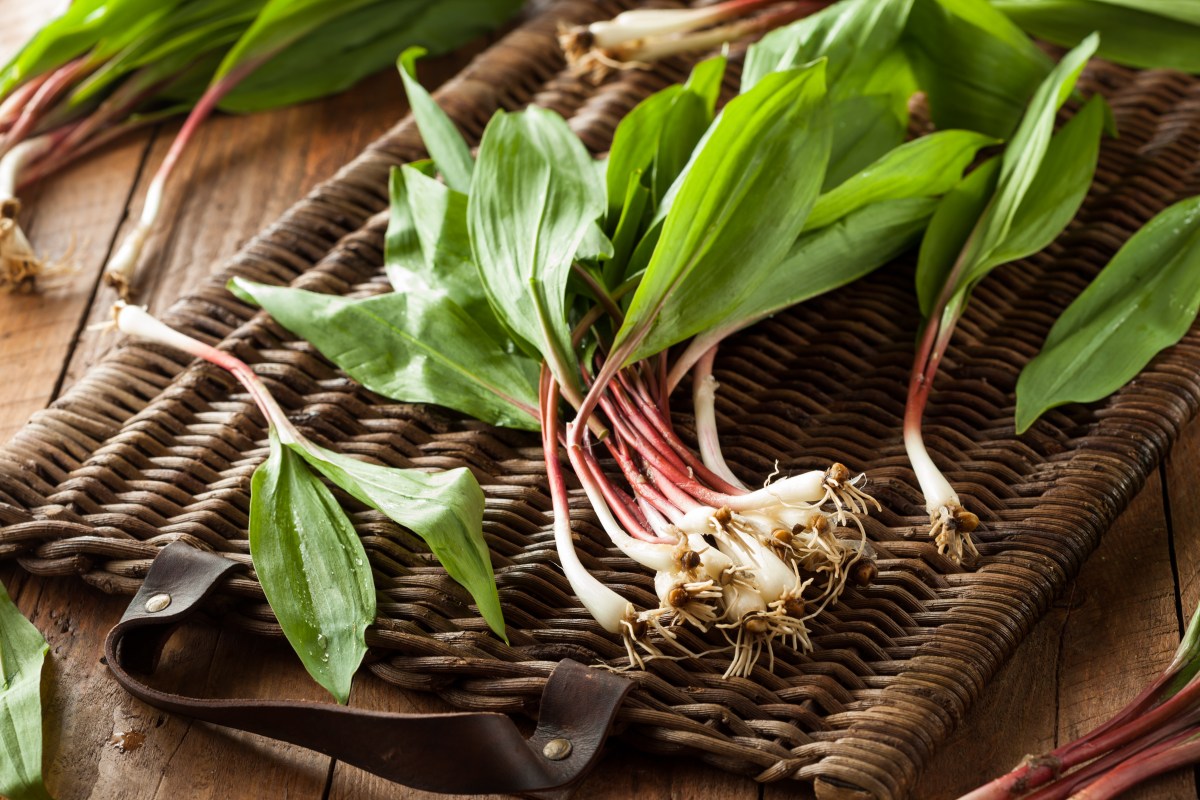
Ramps are a wild allium, coming from the same family as garlic, green onion, shallots and leeks. Like its family members, ramps carry that distinct pungent flavor that invigorates your palate.
Its season is something special, operating within a short three-month period and resulting from years of cultivation. From the time the seed is planted, it won’t be for another seven years before the ramp is ready to be harvested.
Ramps are grown here in New York, harvested from early March through May and a brief stint in late June, according to the Seasonal Food Guide.
This short period of time drives the allure of the wild vegetable, with its exclusivity igniting a sort of culinary craze.
Across the country, restaurants will be preparing for the ramps season, offering seasonal dishes that highlight and celebrate the esteemed produce. Expect that same craze to be coming closer to you as well, and seek out restaurants that are serving the elusive root vegetable.
But ramps are not only accessible to restaurants, you can also purchase them to cook with at home as well. This, though, may take a bit more hunting.
Because of their restrictive harvest season and extensive growing period, Ramps can be a bit elusive. If you aren’t seeing them in your local grocery store, your next best bet would be your local farmer’s market, which is bound to have the region’s most seasonal produce.
One upstate farm offering ramps is Norwich Meadows Farm. While this season’s ramps are not ready yet, keep an eye out for when Norwich Meadows Farm opens up for orders from their supply. This will ensure you get the freshest and most local crop of ramps.
When purchasing ramps, keep in mind ways to support the sustainability of the crop. As it takes about seven years for the crop to mature before harvesting, one method to aid in the cultivation of ramps is leaf-only harvesting.
This method is executed by, you guessed it, only harvesting the leaves of the plant and keeping the bulb intact in the ground. By leaving the bulb, this gives the plant the chance to continue regenerating and yield more in the future.
At Norwich Meadows Farm, they implement this method when foraging ramps that grow naturally in the wooded areas surrounding their farm. If they do harvest the entire ramp, bulb and all, they say they do this on a very limited scale. Their website states this works with their mission to “harvest with restraint, protect biodiversity, and think long-term.”
Regardless of where you purchase ramps from, seek out options where the ramp bulb is not intact. If purchasing from a farm directly, such as at a farmer’s market, ask the workers about their sustainability practices.
Now there is cooking them. Opportunities are expansive!
Common preparations include simply charring them to serve as a side dish with fish or meat, subbing out basil to make a pesto, combining chopped up ramps with butter to make a spread, adding to a quiche or pickling them to snack on at any time.
One of my preferred methods is the pesto option, which can easily be done, especially if you are only buying the ramp leaves. Ramp pesto delivers a bit more of a punch than your typical sauce, and it can be served in a plethora of ways.
You can go classic and toss some gemelli pasta with the pesto, but really, any pasta shape will do. I suggest gemelli as it has twists and turns that create little nooks and crannies for the sauce to get caught in. Choose what you enjoy!
Or, treat the pesto as a garnishing sauce over a grilled ribeye steak. The vibrant and acidic pesto pairs well with a fatty and rich steak, like a ribeye, to offer a balanced dish.
But go wild! From using as a pizza sauce, a dip for crudite or spread onto a sandwich, ramp pesto is a simple way to explore the unique allium.
Here is a simple recipe to prepare ramp pesto yourself:
Wild Ramp Pesto
Ingredients:
- One bunch of ramp leaves
- ⅓ cup pistachios (but any nut will do)
- ½ cup grated parmesan
- ½ cup olive oil
- Juice of half a lemon
- Salt and pepper to taste (about a pinch)
Steps:
- Thoroughly rinse your ramp leaves, removing any part of the bulb so only the leaves remain.
- Boil a pot of salted water. Once it reaches a boil, throw in your cleaned ramp leaves to blanch for about 30 seconds. Remove from the boiling water and add to a bowl of ice water. While this step is optional, I suggest taking the extra time to do this for the best results.
- Add the ramps, pistachios, grated parmesan, lemon juice, salt and pepper to a food processor. Pulse the ingredients to incorporate while slowly pouring in the olive oil until combined.
- Once done, taste for seasoning and adjust to your liking.
- Now add your pesto to whatever dish you’d like!
Alternative option: to add a smoky flavor to your ramp pesto, char the ramps on a grilluntil soft instead of blanching.