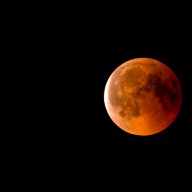




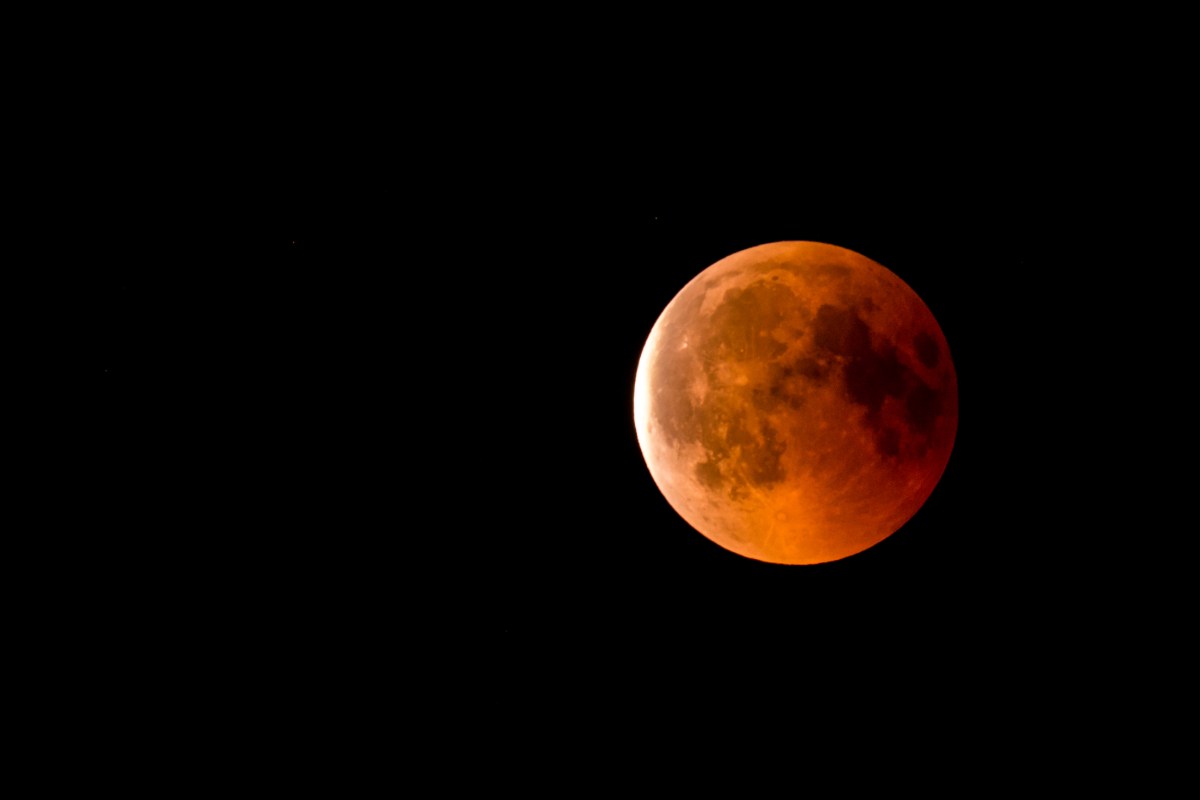
A full lunar eclipse — also known as a blood moon — will be visible from Long Island tonight, and stargazers are over the moon.
The Moon will slowly disappear, then become a rich, blood-red, and finally reappear on the dawn of March 3. The last full lunar eclipse visible from the Island was in March 2025, and the next will be in June 2029.
Where can I view the blood moon on Long Island?
The best spots are unobstructed by buildings and have relatively little light pollution, so your view of the beautiful red Moon will be as vibrant as possible. For those on the South Shore who have a stargazing permit, Jones Beach State Park is a go-to. Custer Institute, in Southold, is beloved by amateur astronomers for its dark, spacious skies. And for those willing to go the extra mile — literally — Montauk has the least light pollution of anywhere on the Island.
But backyard stargazers need not fret — as long as you have a view of the night sky, the lunar eclipse will be visible. No glasses or special equipment necessary!
However, the moon will be extremely close to the horizon, as the lunar eclipse happens right before it sets. A high vantage point and a clear, unobstructed view to the West is best for this blood moon!
When does the lunar eclipse start and end?
A lunar eclipse is characterized by three phases: the penumbral phase, partiality and totality. During the penumbral phase — Latin for “almost shadow” — the moon dims as it enters Earth’s outer shadow. During partiality, the Moon begins to enter the umbra, or shadow, and appears to have a bite taken out of it. This bite grows until totality, where the Moon is entirely covered by Earth’s shadow and turns a deep red.
- Penumbral phase begins: 3:44 a.m.
- Partial eclipse begins: 4:50 a.m.
- Total eclipse begins: 6:04 a.m.
- Peak eclipse viewing: 6:33 a.m.
- Moonset: 6:38 a.m.

Why does the Moon turn red during a lunar eclipse?
The light from the sun passes through Earth’s atmosphere on its way to the Moon. Light of shorter wavelengths — like the blue that paints our sky during the day — scatters away. Meanwhile, the longer-wavelength red and orange light — what we see during sunset and sunrise — is refracted, meaning it bends and is then projected onto the Moon. That stunning red color is what gives the blood moon its name.
The Moon can take on different hues of red depending on the conditions of Earth’s atmosphere. A very clear night will produce a vibrant coppery-red eclipse, while a night with more particles in the sky will produce a darker eclipse.
Fun facts
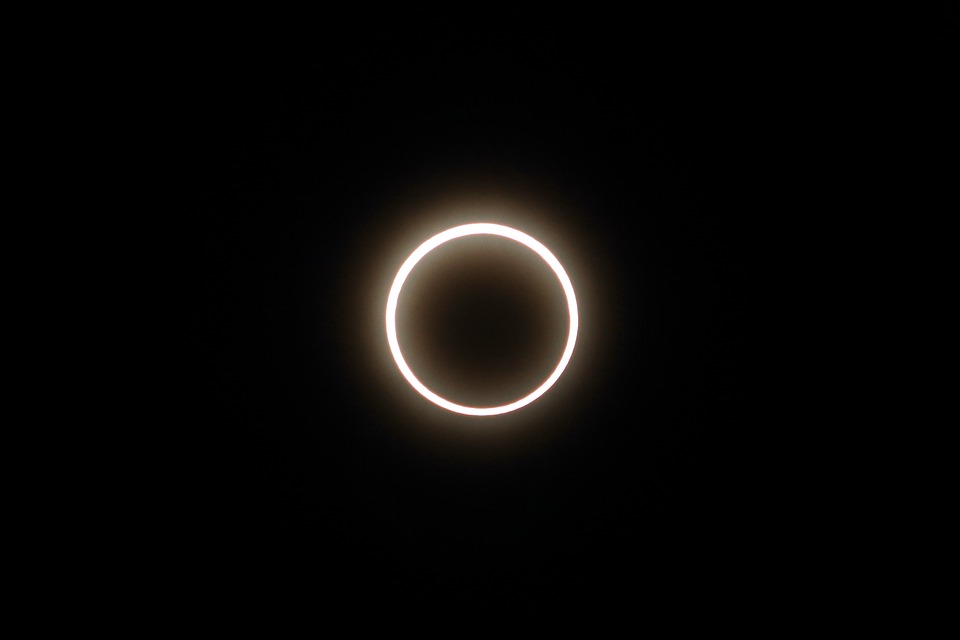
- If you were on the Moon during a lunar eclipse, Earth would appear to have a red ring around it. In other words, you’d be watching every sunset and sunrise on Earth at once!
- A lunar eclipse would happen every month on the full moon if not for the Moon’s elliptical orbit. Instead, a lunar eclipse only happens when the Moon is at just the right angle in its orbit.
- The Moon is moving away from Earth at about 1.5 inches per year, meaning it is slowly appearing smaller and smaller in our sky. One day, eclipses — lunar and solar alike — will cease to exist.
- Because a lunar eclipse is also called a blood moon, and any full moon during March is called a worm moon, this lunar eclipse will be known as a blood worm moon.