


Perhaps New York’s “scaffolding law” made sense when it was enacted in 1885, 140 years ago.
But at a time when more and more New Yorkers in Nassau County and around the state are struggling with affordability, that is no longer the case.
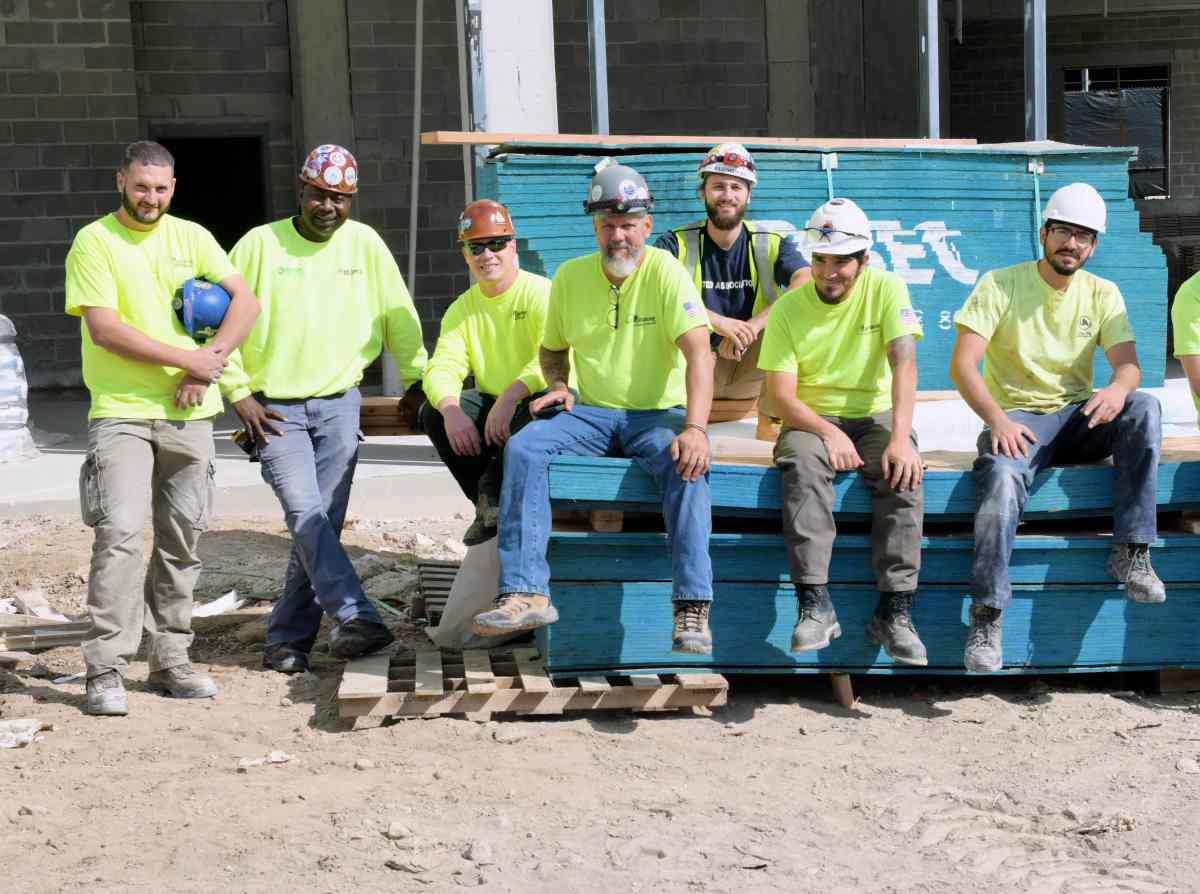
The law holds property owners and contractors responsible for falls on construction sites, even in instances where worker negligence is a contributing factor.
There are exceptions that include work on one- and two-family homes, when a required safety device was missing or inadequate and that failure contributed to the injury. These also applied if an owner provided the proper safety equipment and specifically instructed the worker to use it, but the worker deliberately refused to do so.
Supporters of the scaffolding law, including some labor unions and the state Trial Lawyers Association, argue that the “absolute liability” standard protects low-wage workers on some of the most dangerous job sites in the nation by holding employers and property owners liable for unsafe conditions. This, they say, is a vital worker-safety protection, given the inherent dangers of elevated work.
But New York is the only state in the nation to have a law that places such an onus on property owners and contractors. All 49 other states have devised alternative methods to protect workers.
A recent study released by the Building Trade Employers’ Association found that the law has caused insurance costs to skyrocket up to 500% higher in New York than in other states.
Insurance premiums now account for 8% to 10% of development budgets in New York, largely due to the law’s “absolute liability” provision.
By comparison, insurance premiums compose only 2% to 4% of development overhead in states such as New Jersey, Massachusetts and Illinois, rather than the 8% to 10% in New York, the report found.
This applies to projects ranging from apartment buildings to office buildings and the construction of schools, thereby driving up their expenses.
Anthony Bartone, managing partner of Farmingdale-based Terwilliger & Bartone Properties, told a Long Island Association panel in March 2025 that his company had signed a contract in Pennsylvania because of the high cost of doing business in New York because of legislation like the scaffolding law.
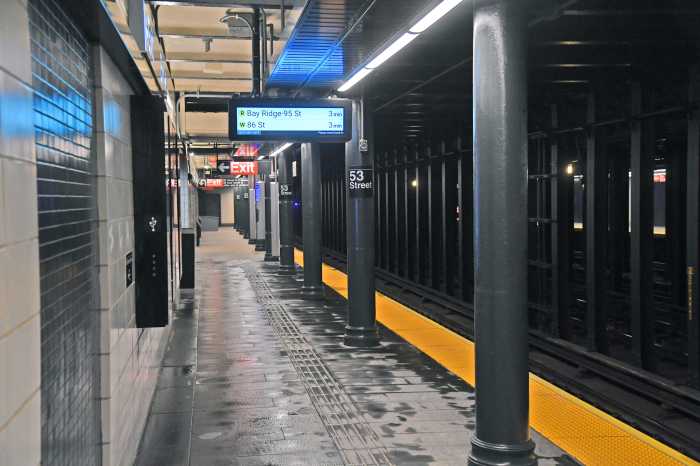
The report found that, for example, at least $560 million could be saved on the redevelopment of Penn Station, while another $550 million in savings could be generated on a project to extend the Second Avenue Subway to East Harlem if the Scaffold Law were not in place.
Similar costs could be found in Nassau County and across New York.
But are workers in New York safer? Not according to the Building Trade Employers’ Association report.
It found that in 2023, New York City’s construction fatality rate was 11.6 per 100,000 workers, exceeding the national average of 9.6 per 100,000 workers.
The scaffold law is a significant contributor to the housing shortage in New York, a primary cause of the high cost of living in the city.
Building Trade Employers’ Association found that the savings in residential development, if reinvested, have the potential to support 8%-10% more affordable units per project.
The largest reason developers don’t build more housing in the New York area, and hence the reason living here is expensive, is that they aren’t allowed to, thanks to zoning, land-use restrictions, and community opposition.
But legislation like the scaffolding law also plays a significant role, making it a good target for addressing the affordability crisis in New York.
Many states nationwide adopted legislation similar to New York’s Scaffold Law in the 1880s, when there were few federal and state regulations to protect workers, who were increasingly getting injured on the job.
But laws in every state except New York were repealed or amended in the 20th century. It’s time for New York to catch up.