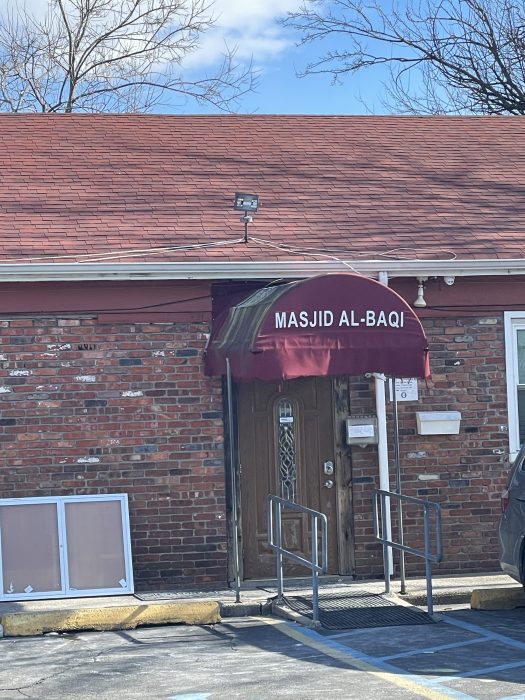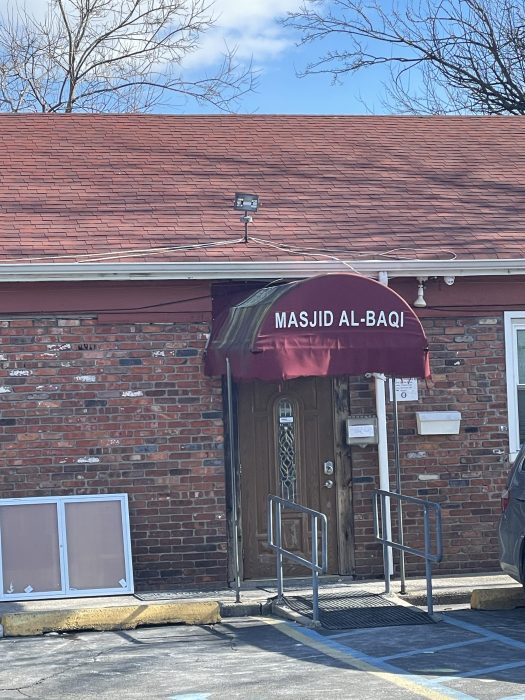




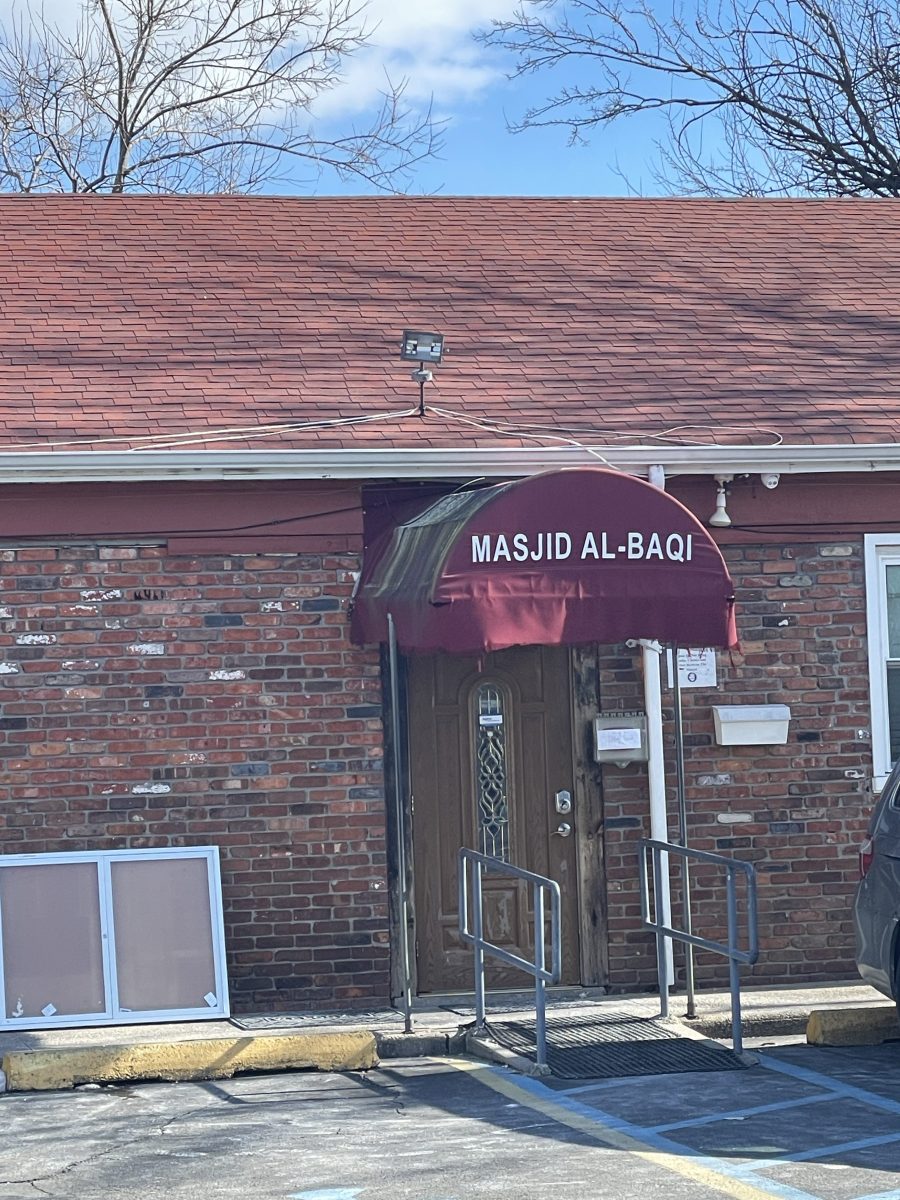
The Muslims on Long Island and the Town of Oyster Bay have reached a new settlement that would allow for a smaller expansion of the Masjid Al-Baqi mosque in Bethpage following months of legal battles.
The Town of Oyster Bay will pay over $5 million in legal fees to resolve the federal lawsuit between the town and Muslims on Long Island over the expansion of a Bethpage mosque.
An arbitration decision made earlier in December determined that the town is responsible for paying $5,029,199. It was determined that $2.5 million of the total will be paid through insurance, while the town will be faced with the remaining $2.53 million balance.
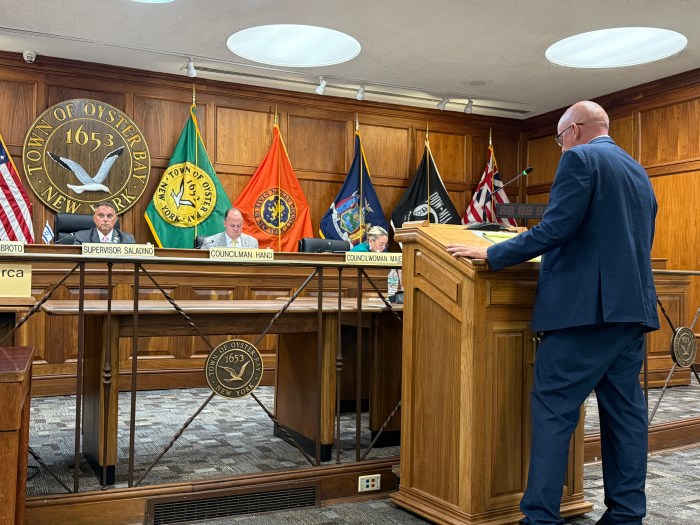
The town board held a special meeting on Wednesday, Dec. 23, to approve the arbitration payout.
In October, the town agreed to settle the lawsuit with the religious organization, which owns the Masjid Al-Baqi mosque on Central Avenue in Bethpage. The owners sued the town in January after Oyster Bay denied the mosque’s application to roughly triple in size.
The settlement allowed the mosque to expand to 9,950 square feet at ground level or above, marking a 1,100-square-foot reduction from Muslims on Long Island’s original proposal. The building will also have a maximum occupancy of 295 people under the agreement. The initial proposal called for a 464 maximum occupancy at the mosque.
The Muslims on Long Island will also pay a crossing guard for 18 months after the issuance of a certificate of occupancy, and the two sides will work toward establishing several safety measures, including an enhanced crosswalk, additional parking options, a new caution light and more.
The town and Muslims on Long Island had been in a legal battle since January regarding the application to expand the mosque, with the organization citing the Religious Land Use and Institutionalized Persons Act, the First and Fourteenth Amendments to the U.S. Constitution, the New York State Constitution and Article 78 of the New York Civil Practice Law and Rules in its lawsuit against the town.
The Muslims on Long Island were seeking to replace two one-story buildings on their property with one, larger mosque. They said the town had blocked the expansion by presenting multiple legal issues, including a change in town law in 2022 that expanded the number of parking spots required for places of worship.
The change increased the number of parking spots required by the mosque from 86 to 155. According to the lawsuit, the initial proposal called for 88 spaces.
The town and the organization had first agreed to a settlement in August, which would have included the town approving the mosque’s plan, paying Muslims on Long Island $3.95 million, and updating its code to address and resolve claims made against it. The Muslims on Long Island had also agreed to certain provisions designed to mitigate the town’s asserted traffic and safety concerns.
The town backed out of the agreement less than two weeks later.
According to the 2022 town code, theaters were required to have one parking spot per three seats, while libraries and museums were required to have one parking spot per 300 square feet of gross floor area, or the enclosed floor space of a building.
The Oyster Bay Town board made changes to its zoning laws involving theaters, museums and libraries at its Tuesday, Oct. 7, board meeting in a bid to create equal parking spaces for secular and non-secular users.
The new law, unanimously approved by the board, set the minimum number of parking spaces required for theaters, museums, libraries and places of public assembly at one per three persons occupancy.
Town Attorney William McCabe presented the law to the board at the October meeting, saying it is necessary to try to have a “uniform minimum off-street parking ratio for most land uses, both secular and non-secular.”
Lawyers for the Muslims on Long Island had long alleged that the town had made its decision due to religious bias, something that town officials repeatedly denied.