



Figgy pudding has become one of the most recognizable dishes of the holiday season, even for people who have never tasted it. Immortalized in carols and often associated with Victorian England, the dessert’s origins trace back centuries and reflect a long evolution of ingredients, customs and Christmas traditions.
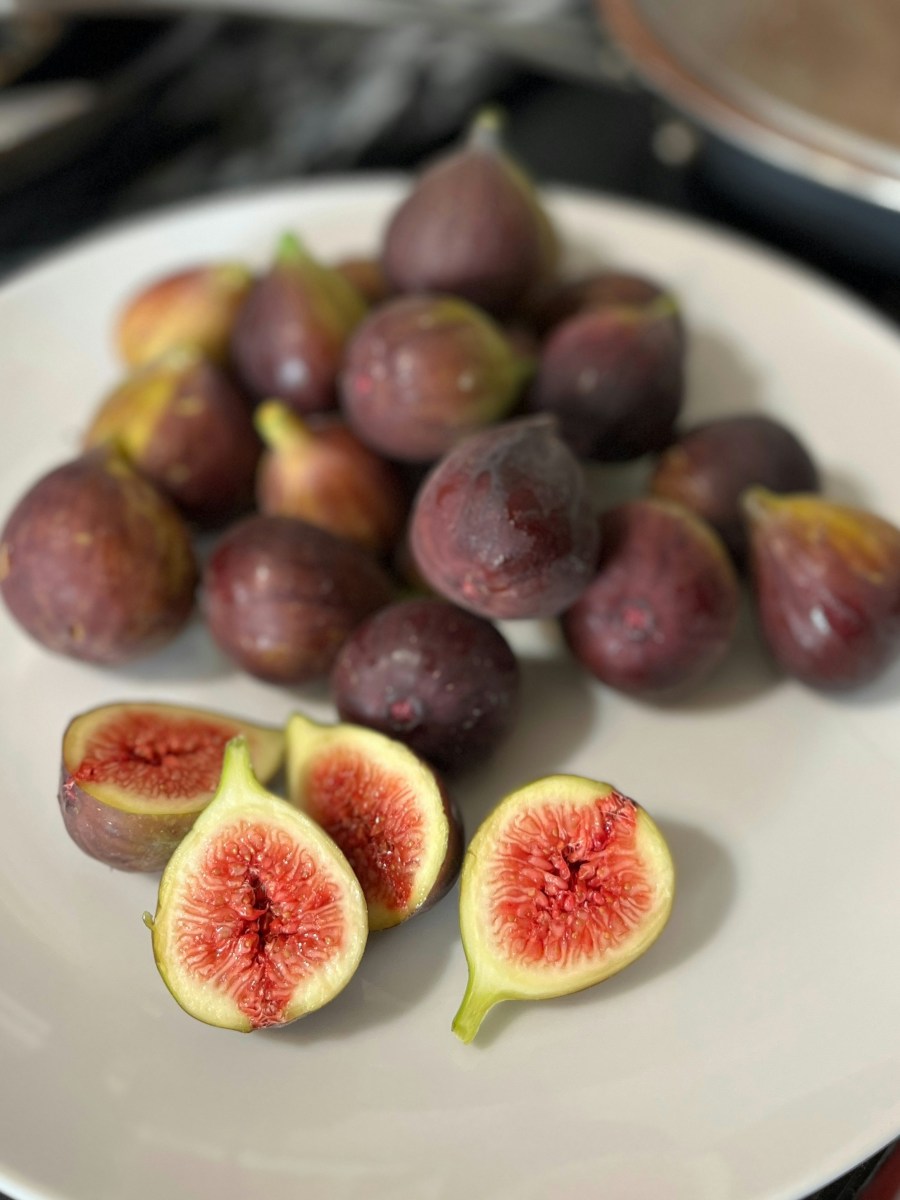
The earliest versions of figgy pudding emerged in medieval Britain, when a dish known as plum porridge or plum pottage appeared as a way to preserve meats, fruits and grains during the winter. This mixture was not a dessert but a thick, savory stew combining boiled beef or mutton with dried fruits, wine and spices. Figs occasionally appeared in these recipes, though the term “plum” referred broadly to any dried fruit rather than specifically to plums.
By the 16th and 17th centuries, the dish began shifting from a meat-based porridge to a sweetened pudding. Fasting rules during Advent encouraged the use of dried fruits, spices and suet in festive dishes, and cooks started adding more flour and breadcrumbs as thickeners. Figs, imported through expanding trade routes, became increasingly available and found their way into celebratory mixtures.
The dish was typically prepared days or weeks ahead of Christmas and stored in cloth, allowing flavors to deepen over time.
Figgy pudding became more recognizable in the 18th and 19th centuries, evolving into the dense, steamed dessert often depicted in modern imagery.
Victorian cooks embraced the pudding as part of a growing Christmas culinary tradition, fueled in part by the era’s emphasis on elaborate seasonal feasts. The use of suet, brandy and spices such as cinnamon and nutmeg created a rich, aromatic dessert that reflected both the prosperity and the preferences of the period. The pudding would be steamed for hours, stored and later reheated—sometimes flambéed—for Christmas dinner.
As the dessert developed, figs maintained a role but did not always dominate. Many figgy pudding recipes used figs only as one of several dried fruits, while others leaned more heavily on raisins, currants or dates. The term “figgy pudding” became a catch-all for a wide category of holiday puddings and the name itself was likely cemented in popular culture through Christmas carols that referenced it as a symbol of festive indulgence.
The pudding eventually spread across the English-speaking world, though it never became as widely consumed in the United States. By the early 20th century, American households shifted toward cookies, cakes and pies as the centerpieces of their holiday desserts, while British families maintained a strong tradition of steamed puddings.
Still, figgy pudding persisted in song, nostalgic imagery and specialty shops, especially among people seeking a traditional English Christmas experience.
While elaborate versions still exist, modern recipes often simplify the process, swapping suet for butter and using contemporary baking methods rather than hours-long steaming. Many cooks prepare the dessert in bundt pans, slow cookers or ovens. The dish remains a symbol of Christmas abundance, nostalgia and the blending of culinary customs over centuries.
Below is a recipe that reflects the flavor and style of classic figgy pudding while keeping the preparation accessible for home cooks.
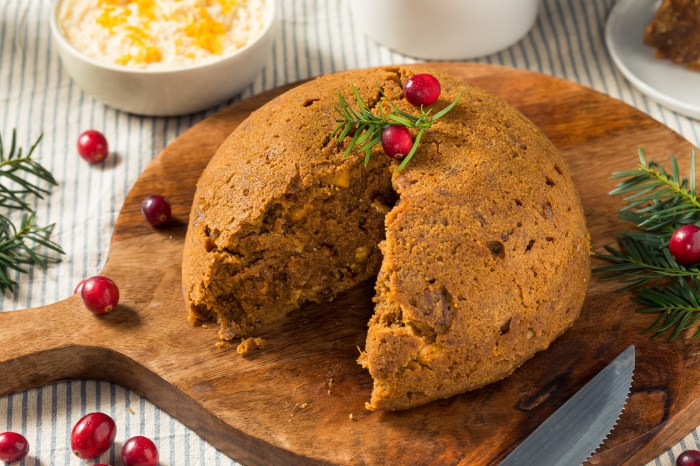
Simple figgy pudding recipe
Ingredients:
-
1 cup dried figs, chopped
-
1 cup mixed dried fruits (such as raisins or currants)
-
1 cup hot water
-
1/2 cup unsalted butter, softened
-
1/2 cup brown sugar
-
2 large eggs
-
1 1/4 cups all-purpose flour
-
1 tsp baking powder
-
1/2 tsp cinnamon
-
1/4 tsp nutmeg
-
1/4 tsp salt
-
1/2 cup milk
Instructions:
Heat the oven to 350 degrees. Grease a small bundt pan or six individual ramekins. Combine the chopped figs and mixed dried fruits with the hot water in a bowl. Let the mixture soak for 10 to 15 minutes. In a separate bowl, cream the butter and brown sugar until smooth. Add the eggs one at a time and mix thoroughly. In another bowl, whisk the flour, baking powder, cinnamon, nutmeg and salt.
Add the dry ingredients to the butter mixture in two portions, alternating with the milk. Stir until blended. Drain any excess liquid from the soaked fruit and fold the fruit into the batter. Pour the mixture into the prepared pan or ramekins. Bake for 35 to 45 minutes, or until a toothpick inserted in the center comes out clean. Cool briefly before serving. Serve warm, optionally with whipped cream or a simple vanilla sauce.