



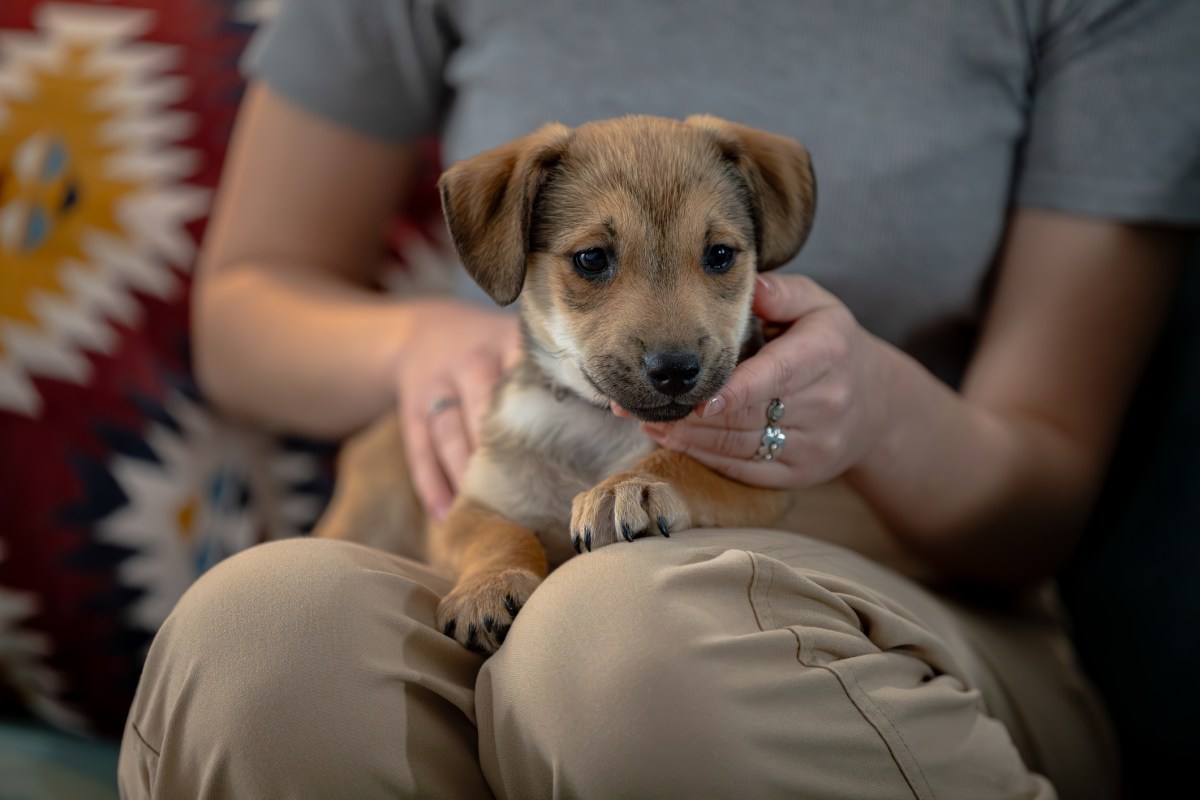
Anyone who has spent time in animal rescue knows the emotional weight it carries. The constant need, the heartbreak, and the feeling that the world simply doesn’t care enough can drain even the most devoted advocates.
Psychologist and author Clare Mann describes this emotional reality as vystopia, the anguish of seeing animal suffering when others choose not to. For rescuers, this sorrow is not abstract; it is daily, personal, and often overwhelming. Rescuers endure this weight more intensely than most. They see cruelty cases up close, manage shelter overcrowding, and respond to the endless calls for help, often without enough hands or resources.
“People get overwhelmed because they don’t see change happening quickly enough,” says Mann. The emotional strain accumulates until rescuers begin to feel depleted, guilty, or responsible for fixing everything themselves. “All of this takes enormous energy.”
She emphasizes the need for boundaries, shared responsibilities, and sustainable workloads. Without these structures, she warns, burnout becomes inevitable, not because rescuers don’t care, but because they care so deeply. According to Mann, the exhaustion rescuers feel is often heightened by another painful truth, that most people simply don’t want to confront animal suffering.
“People have powerful defenses that stop them from seeing what’s really happening,” she explains. “‘Don’t show me’ is actually a better reaction than indifference. It means the discomfort is already there.”
This avoidance is one reason rescuers often feel isolated in their awareness; they witness cruelty firsthand while others turn away. Mann knows this disconnect from personal experience. Despite being a long-time vegan, she once wore a coat lined with fur, something she now reflects on with disbelief.
“How is it possible,” she says, “that I could be devastated by a cow going to slaughter, yet still wear a fur-trimmed coat?”
The answer, she explains, lies in speciesism, the learned belief that companion animals, such as dogs and cats, are more worthy of empathy than others. Recognizing this bias can help rescuers understand why the public may show deep compassion for companion animals while ignoring the suffering of equally sensitive farmed animals. It’s not malice, it’s conditioning.
Still, Mann believes that education, not confrontation, is the most powerful tool rescuers have.
“When we invite people into the conversation, instead of overwhelming them with information or blame, we create a tiny bit of consciousness,” she says.
These small openings can lead people to question long-held beliefs, explore reputable resources, or visit sanctuaries where they can meet animals they’ve never considered before.
“Most people do not want to hurt animals,” Mann emphasizes. “Once they truly see them, everything changes.”
But above all, she urges rescuers to protect themselves first. The animals, she says, need advocates who can remain in the fight.
“The animals need us today, tomorrow, and five years from now,” she says. “If we burn out, we can’t help anyone.”
READ MORE: The Frenchie Den provides daycare and more for dogs in Levittown
Leaders, she adds, must model this by setting boundaries, rotating responsibilities, and creating systems that support long-term well-being. In a world where suffering is often hidden, rescuers carry a unique and heavy truth. Mann’s message is simple and deeply validating: Your anguish is real, your compassion is powerful, and your work matters. And with the right support, you can continue doing it. Not just today, but for a lifetime.
Mann’s book, Vystopia: The Anguish of Being Vegan in a Non-vegan World, and her Beyond Vystopia Masterclass offer tools to build emotional resilience and communicate more effectively with the public, which are skills rescuers need to stay grounded in a world that often looks away.
For more information, visit veganpsychologist.com