



Whether ringing in the new year is spent with a late night out or at home staying up until midnight to watch the ball drop – and falling asleep immediately after, everyone has their way to celebrate the end of the year and the ushering in of a new one. Often, these celebrations involve food.
New Year’s food traditions are as diverse as they come, with many tied to various cultures. Whether you’re seeking to boost your usual celebrations or adopt a new tradition for you and your family, here are some of the ways people celebrate the holiday and seek to bring in a new year of even brighter and happier days.
The long history
The tradition of eating food on New Year’s can be traced back to a time before the calendar we use today was adopted.
In the Northern Hemisphere, such as in Europe, the new year was marked by the Winter Solstice, a.k.a. the shortest day of the year. This day (which was celebrated just days ago on Dec. 21) was marked by a celebratory feast, accompanied by festive gatherings and gift-giving, to bring in prosperity for the year to come.
Prior to the rise of Christianity, Europe celebrated a litany of festivals meant to bring prosperity in the new year. Nearly all involved some component of feasting.
These celebrations, which spanned months from the end of the harvest season to the depths of winter, were later converted into multiple different holidays under Christianity, such as Halloween and the 12 days of Christmas.
What’s so special about food?
For many cultures, such as in the history of pre-Christian Europe, eating on New Year’s is meant to bring in prosperity. Sometimes this is seeking good fortune, abundance or a long life, and sometimes it is used as more of an insurance policy to make sure the unfortunate opposite fates do not happen.
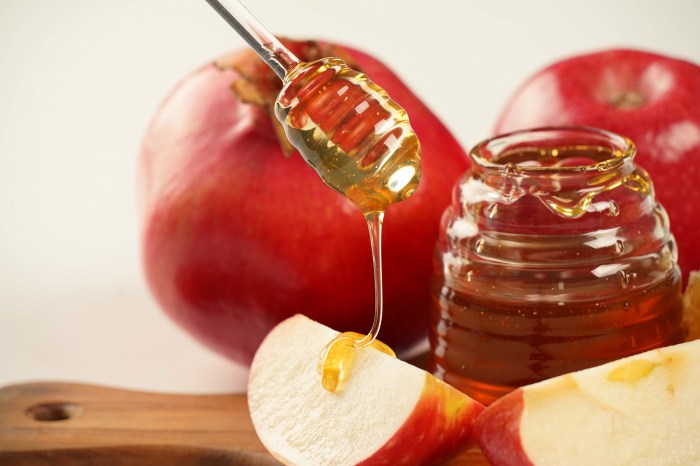
Different foods carry different meanings, with many of their positive attributes associated with their appearances. This plays out through the consumption of green foods for monetary gains, or long food, like noodles, to represent a long life, ring-shaped foods as a full circle for good luck, and honey to bring sweetness.
The lucky 12 grapes
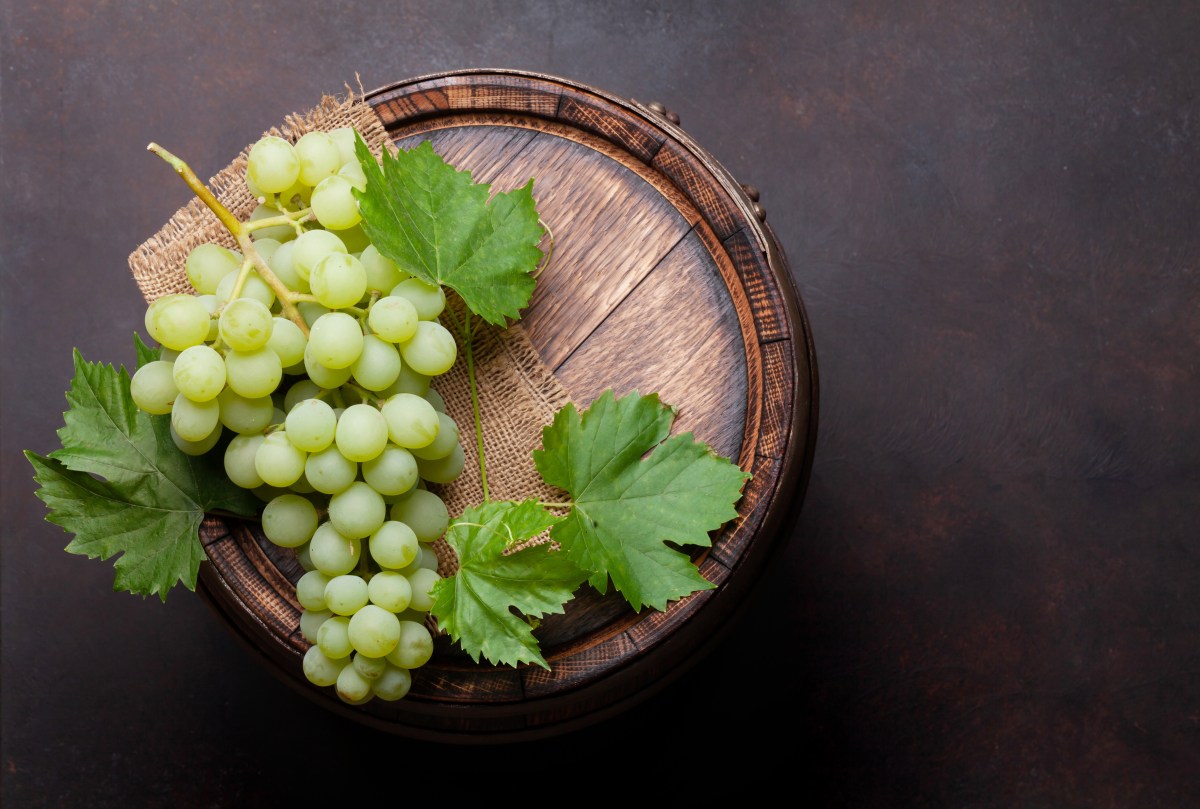
In many Latin American countries and in Spain, eating grapes is necessary on New Year’s Eve. But it’s not just one grape; you have to eat 12. This is called “las doce uvas de la suerte,” which translates to “the twelve lucky grapes.”
The tradition of eating 12 grapes originated in Spain in the 1880s and was associated with the tolling of the bell in Madrid. With each toll, everyone would eat a single grape until all 12 were consumed. If you don’t keep up the pace with the clock tower, then it is seen as a sign of bad luck, so eat quickly and on time!
Blackeyed peas
When it comes to the South, blackeyed peas are a must on New Year’s, and I’m not talking about the hit band from the 2000s.
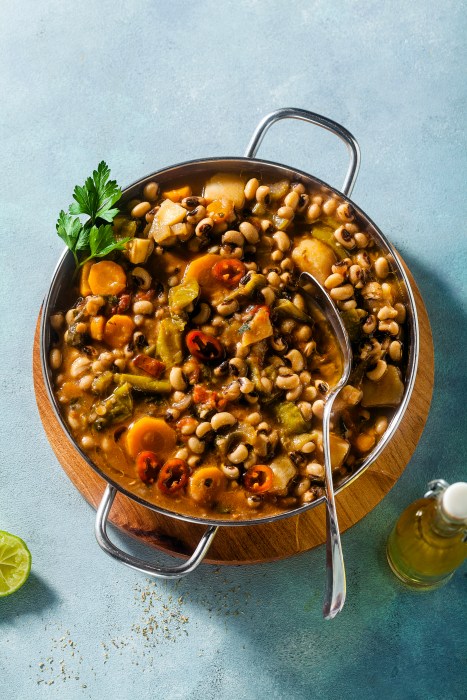
The peas are typically served in a dish called Hoppin’ John, which typically includes peas, rice, pork, and seasonings, and is often served with collard greens and cornbread. The dish goes hand-in-hand with the common saying “peas for pennies, greens for dollars, and cornbread for gold” to bring in good fortune for the new year.
The dish was created in the South by enslaved people in the 19th century, seeking prosperity through a dish that represented the potential for so much hope.
Today, people still make an effort to eat blackeyed peas on New Year’s Day to seek that same hope for a new year of good fortune.
The hangover cure
While maybe not a cultural tradition, many people will be waking up on Jan. 1 seeking a cure for their hangover. Everyone has a go-to method, whether it is chugging electrolytes or having a large diner breakfast.
For me, I’d look to the late, great chef Anthony Bourdain, who recommended aspirin, cold Coca-Cola, and really spicy Chinese Szechuan food. There’s a fourth component to his hangover routine, but you can look that one up for yourself.