



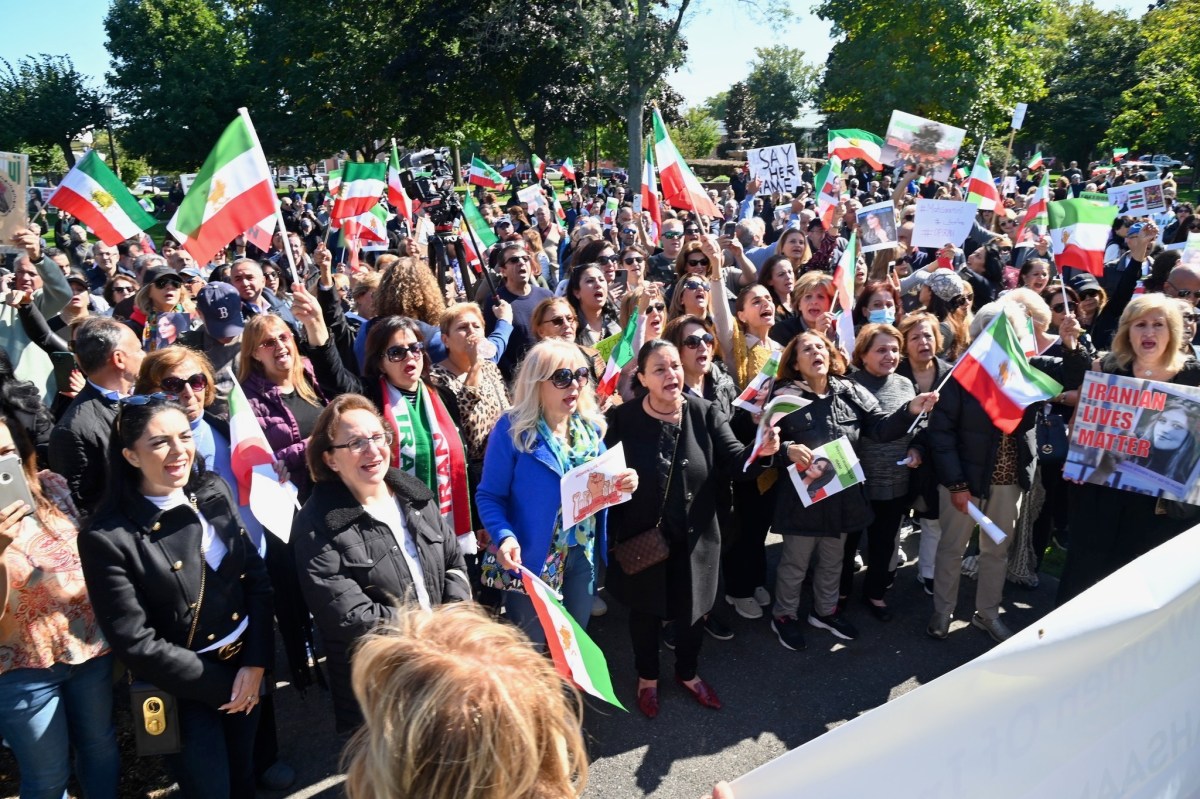
As protests have raged in Iran amid a brutal government crackdown, Long Island’s Persian community has reacted with heartbreak but also hope.
Estimates for the number of protesters killed by Iranian security services vary, but Time Magazine reported that local health officials believed the death toll to be around 30,000.
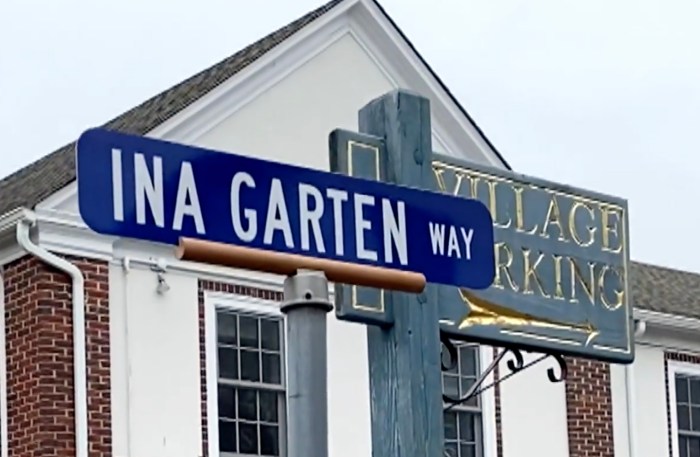
Long Island’s Iranian community is concentrated mainly in Great Neck, where many Persian Jews settled after the 1979 Iranian Islamic Revolution.
“I found myself just erupting in tears,” Port Washington activist Farshid Bakshi said after he saw videos of Iranian forces shooting unarmed protesters.
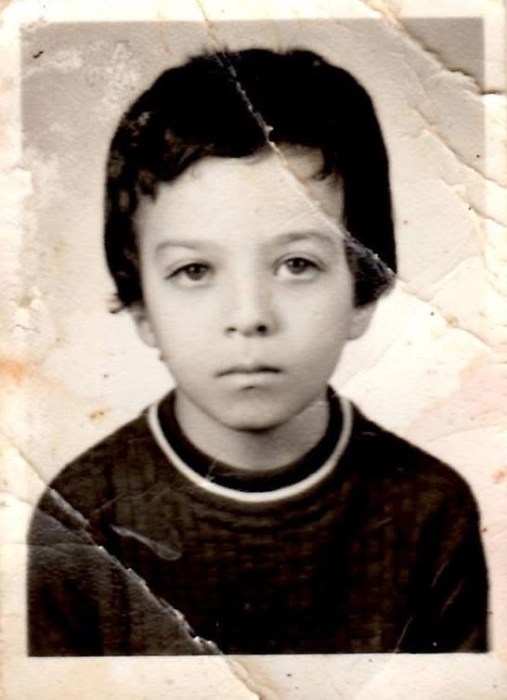
Bakshi, who spent the first 10 years of his life in Iran, has organized protests on Long Island against the current regime and hosted a Farsi-language radio show.
Many Long Island Iranians and Iranian organizations have not been as willing to publicly speak in favor of the protests because they said they fear retribution against themselves or their relatives back in Iran.
Protests began as a response to Iran’s crippling economy but grew rapidly after the government started indiscriminately killing demonstrators.
“I was very hopeful in the beginning,” said A. Khalili, a regular attendee of Beth Hadassah Synagogue in Great Neck who asked not to have his full name publicized.
But Khalili said that quickly, he realized the regime was not going to go down easily.
The Iranian American Jewish Federation of New York responded with a statement saying, “IAJF supports the quest of the people of Iran for freedom, dignity, and democratic self-determination.”
“We hope and pray for an end to the loss of life, a free Iran, the safety and security of the people of Iran, and for peace in the region.”
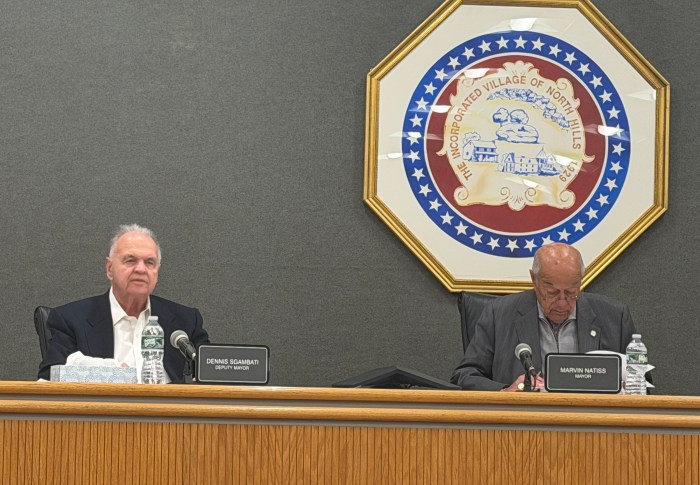
Village of Great Neck Mayor Pedram Bral, who grew up in Iran, said the situation is heartbreaking and was upset at the lack of a strong U.S. response.
“What’s even more sad is all those people who took to the streets immediately after Oct. 7,” Bral said, “And now, we all know how many people died [in Iran]…and not a single protest.”
American and/or Israeli involvement in regime change was broadly popular among those interviewed.
Khalili said outside intervention was necessary for toppling the regime.
“I wish Trump let Israel finish the job in June,” Bakshi said, referring to President Donald Trump’s bombing of Iranian nuclear facilities during the brief Iran-Israel War last year.
But he wasn’t optimistic about the possibility of American intervention. “I don’t think Donald Trump wants to pay the price for that to happen.”
Many mentioned Reza Pahlavi, the exiled son of the deposed shah, as a potential uniting figure to lead a transition to democracy.
“I trust him,” said Bakshi. “He has the connections. He has the will.”
“He was my hero when I was a kid,” Bral said.
Khalili said he has “mixed feelings” about Pahlavi. “He doesn’t give you this feeling of a leader.” But he also noted that Pahlavi may be the only one capable of bringing the Iranian people together.
Bakshi said now was not the time to criticize Pahlavi. “That can be done when, hopefully, Iran is liberated,” Bakshi said. “Right now is a time of unity.”
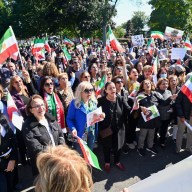
He is holding a protest at the Village Green Park in Great Neck in support of Reza Pahlavi and Iranian protesters on Feb. 1.
Janet Nina Esagoff, a Great Neck resident who has a law firm in the community, met Pahlavi at a Great Neck Temple Israel event 10 years ago and said she supports him.
“He symbolizes the old world and also what the future can be.”
Esagoff was born in America to Iranian parents but said she has fond memories of visiting her grandmother in “the old country” before the revolution and would go back under different leadership.
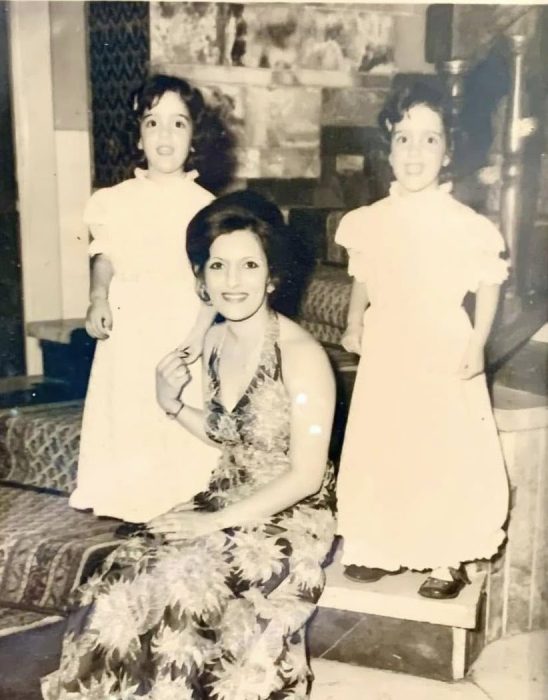
Bakshi said he also yearned to go back. “For whatever reason, I loved Iran, and I love Iran,” he said.
Bral said he would be eager to return under a new government to show his three children the country he grew up in and spoke wistfully about Iranian art, literature, and nature.
But his comments were tinged with melancholy.
“I left 40 years ago,” Bral said. “Whatever I remember from it has already changed.”
“I miss the warmth of the people,” Khalili said. “They care about each other.”
He described the neighborliness of Iranians and said it was a place where one could ask the person next door for salt or potatoes if they ran out. “This is the kind of stuff you don’t see in a lot of places.”
Memories of persecution after the revolution clouded some of this idealism for the “old country.”
“Everything changed. Life changed. The people changed.” Khalili said.
He described the rules that were implemented under the new regime. Hijabs became mandatory for women.
As a boy, he had to stand in the courtyard of his Jewish school and shout government slogans like “Death to America,” “Death to Israel,” and “Long Live the Ayatollah.”
Khalili told a story about a time when he was shopping with his father, and he touched some fruit. “[The shopkeeper] shouted to my father, ‘Don’t touch my fruit.’”
Then Khalili saw someone throw out all the produce his father had touched as they walked away.
Bral described being beaten by classmates because he was Jewish before his father decided it was time for the family to leave.
“I hope my children don’t go through what I had to go through,” he said.
After almost 50 years in power, the question for many was not if the regime would fall but when.
“It is 100% going to change,” Khalili said. “Maybe not tomorrow or in a week, but [revolution is] 100% coming.”
Khalili said this second revolution already started with the 2022 killing of Mahsa Amini by Iran’s “morality police” for not wearing a hijab.
“Everybody looked at Mahsa like their daughter or their sister,” Khalili said.
Amini’s killing resulted in large protests in Iran and abroad, including one organized by Bakshi on Long Island.
“Zan, Zindagi, Azadi” was one of the major slogans, meaning “Women, Life, and Liberty” in Farsi.
“I believe that in my lifetime, I’ll be able to go back,” Esagoff said.
Bakshi said, “The day Iran is liberated, that would be the happiest day of my life.”
“I left a part of myself in Iran,” he said.
Bakshi said he hopes one day he can go back and find that missing piece from his childhood.