



In a laboratory designed to look a little like a living room, a little like a bar and a lot like the real world, Northwell Health’s Feinstein Institutes for Medical Research is taking a serious look at substances long associated more with counterculture than clinical care.
Northwell Health’s Feinstein Institutes for Medical Research in Manhasset announced on Tuesday, Jan. 27, the opening of the Center for Psychedelics Research and Treatment, a new program dedicated to studying the therapeutic potential and possible impairing effects of substances such as cannabis, psilocybin (mushrooms), MDMA (ecstacy) and ketamine.
The center is designed to bring rigorous scientific scrutiny to drugs that have increasingly entered public conversations about mental health care.
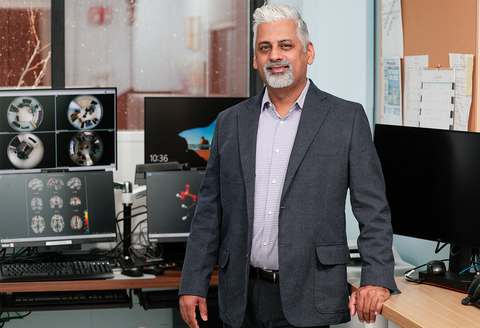
The Center for Psychedelics Research and Treatment is anchored by the Feinstein Family Human Neuropsychopharmacology Laboratory, a state-of-the-art clinical facility built at Zucker Hillside Hospital in Glen Oaks, 75-59 263rd St.
The lab includes a driving simulator and modular bar and living room spaces intended to mirror real-world social environments, allowing researchers to observe how these substances affect behavior, decision-making and functioning outside traditional clinical settings.
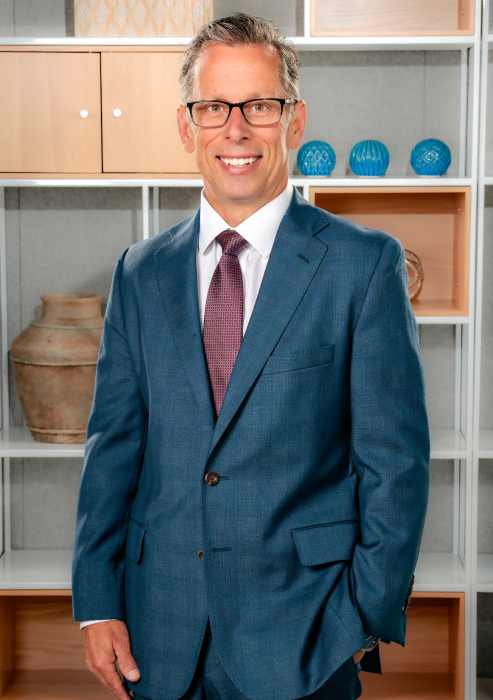
Led by behavioral health researchers Dr. John Kane and Dr. Nehal Vadhan, the CPRT will oversee and conduct research across Northwell Health’s 28-hospital system and its diverse patient population. The goal is to advance new treatment approaches for severe mental health and substance use disorders that have remained difficult to address with existing therapies.
“This new facility and planned research are crucial for uncovering novel treatments for difficult-to-treat disorders and symptoms,” said Vadhan, assistant professor in the Institute of Behavioral Science at the Feinstein Institutes, co-director of the CPRT and director of the Feinstein Family Human Neuropsychopharmacology Laboratory. “We are committed to conducting careful and meaningful studies that will ultimately help educate patients, their families, and the public to increase knowledge and reduce stigma.”
According to Northwell, the CPRT’s mission includes developing research programs focused on conditions such as social anxiety disorder, schizophrenia and alcohol and opioid use disorders. The center will also function as a hub for education, collaboration and support, with the aim of increasing public understanding as regulatory approvals for psychedelic-based treatments are pursued.
The Feinstein Family Human Neuropsychopharmacology Laboratory was built with philanthropic support from the Feinstein Health Fund, along with backing from the Feinstein Institutes and Northwell’s Department of Psychiatry.
The facility was designed to support safe, ethical and comprehensive assessments of the direct and long-term effects of psychedelics and other psychoactive drugs.
Initial research projects include a clinical trial evaluating psilocybin for the treatment of social anxiety disorder using active and inactive controls.
Another study, conducted in collaboration with the University of California, Los Angeles, will assess the tolerability of MDMA in patients with schizophrenia to inform future clinical trials aimed at treating negative symptoms of the disorder.
A third project will explore naturalistic psychedelic use through ecological momentary assessment among psychiatric outpatients and healthy controls.
“The establishment of the Center for Psychedelics Research and Treatment represents a significant step in our commitment to explore and develop innovative approaches for mental health care,” said Dr. Anil K. Malhotra, co-director of the Institute of Behavioral Science at the Feinstein Institutes.
Officials said that within five years, the center plans to complete its initial research, move into larger studies supported by federal funding, and launch a clinical treatment program. Long-term goals include expanding the facility, establishing satellite programs across Northwell campuses and hosting conferences to further psychedelic science.
To preserve funds for research, much of the laboratory’s equipment, furniture and décor were repurposed or donated from surplus. Donations to support the Center for Psychedelics Research and Treatment can be made through Northwell Health.