



As the Rockettes celebrate their 100th anniversary this year, one of the dance troupe’s oldest living members, Patty Grantham, recalls a career that spanned more than a decade at Radio City Music Hall, leaving her with lifelong friendships, treasured memories and a profound connection to the stage.
Grantham, 85, who grew up in Uniontown, Pennsylvania, joined the Rockettes in 1958 while still in high school, becoming part of a select group of women who embodied precision, glamour and endurance.
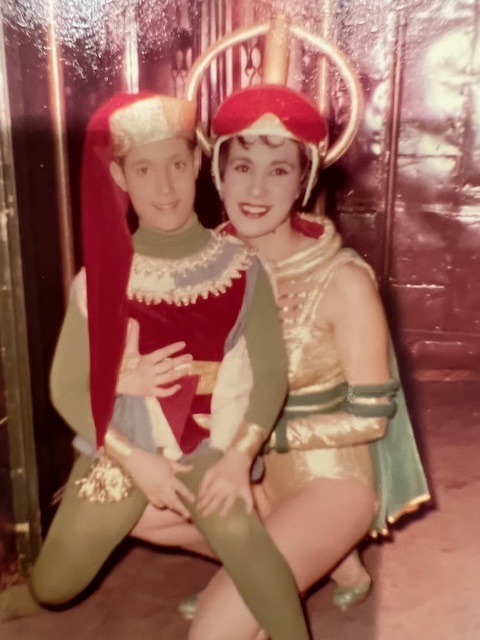
“I actually started with the Rockettes in 1958. I was still in high school, but I had enough credits to go and start rehearsing with them,” Grantham said of her early days under the guidance of choreographer Russell Markert, founder of the dance company. “I missed the last three months of school, but then I went back and got my diploma and graduated with my class.”
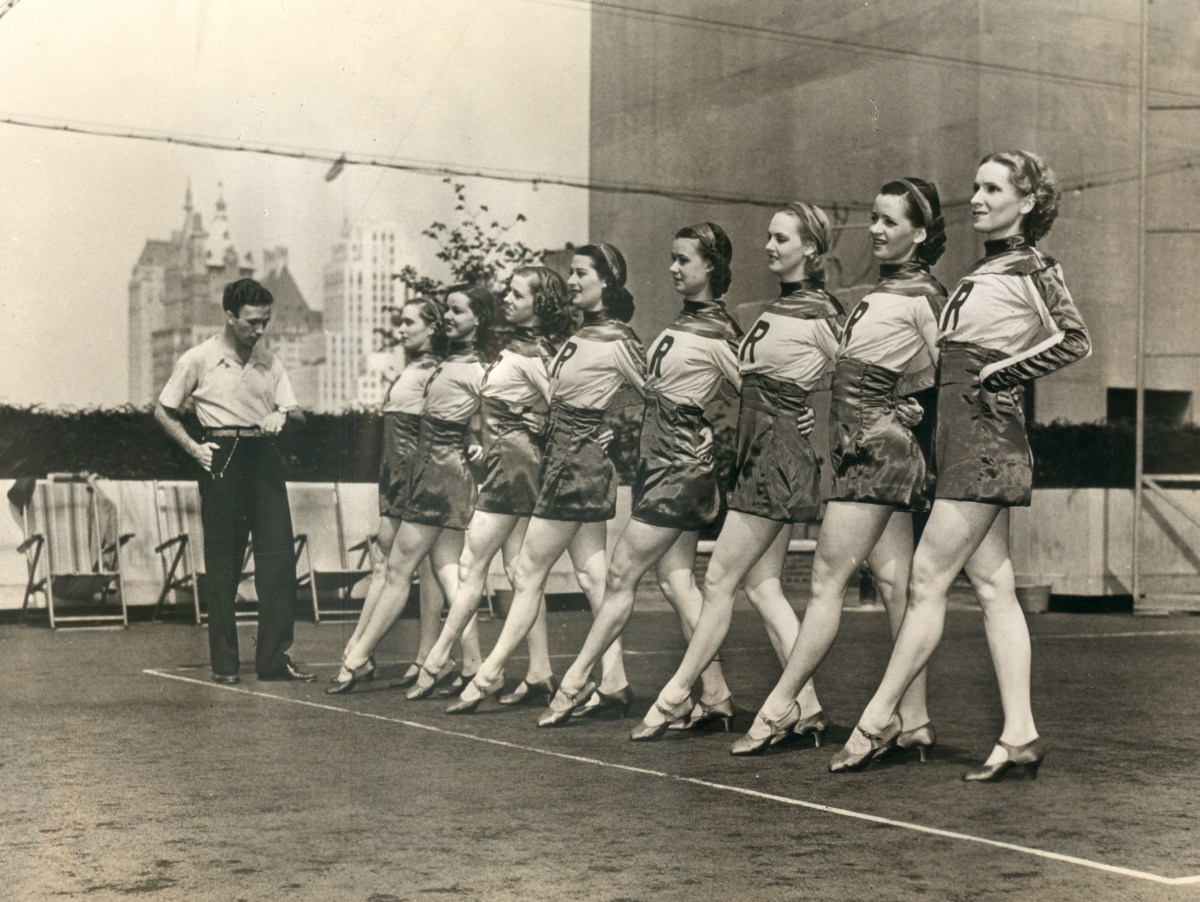
Markert, a veteran of World War I and inspired by London precision dancers, founded the original troupe in St. Louis in 1925 as the Missouri Rockets. After relocating to New York City in 1927 and performing at the Roxy Theatre as the Roxyettes, the dancers cemented their place at Radio City Music Hall when it opened in 1932, eventually becoming the Rockettes. The annual Christmas Spectacular began in 1933, with the iconic “Parade of the Wooden Soldiers” becoming a hallmark of the show.
Grantham’s career took off in the late 1950s, a time when the Rockettes performed four shows a day during regular months and up to five during the holiday season.
“During the Christmas season, our shows started at 9 a.m. That was the first one. The second one was at 12, the third at 3, the fourth at 6 o’clock and the last one at 9 o’clock,” she said.
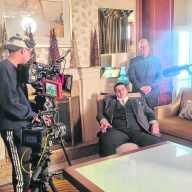
Her work extended beyond the stage as the troupe appeared on television throughout the 1960s.
Only 36 Rockettes performed at any given time during her tenure, making the competition fierce.
Grantham recalled the audition process for the Rockette line: “Our selection was with 300 girls for that 26-girl lineup… and 26 made it and I did not have to audition. They just called me in to dance.”
Once selected, she said, the life of a Rockette was both rigorous and rewarding.
“The first time I stood on that great stage at Radio City and looked out at that huge audience…there were 6,400 seats in Radio City at that time,” Grantham said. “It was thrilling. It was frightening and thrilling.”
Grantham described the camaraderie among the dancers as familial.
“We are family,” she said. “When you work that many hours, you’re not with your own family; you’re with each other, just as you would be more than you would be in college or high school. We were all together all the time and it was wonderful.”
While the Rockettes are known today for their glamorous and athletic style, Grantham said her generation focused on precision and intricate tap.
“I was a very, very, very good tap dancer,” she said.
One of her favorite routines was the patriotic “Fiddle Faddle” number: “Our costumes were red, white and blue, like Uncle Sam, but it was a beautiful costume. I loved it. It was just one of the best routines.”
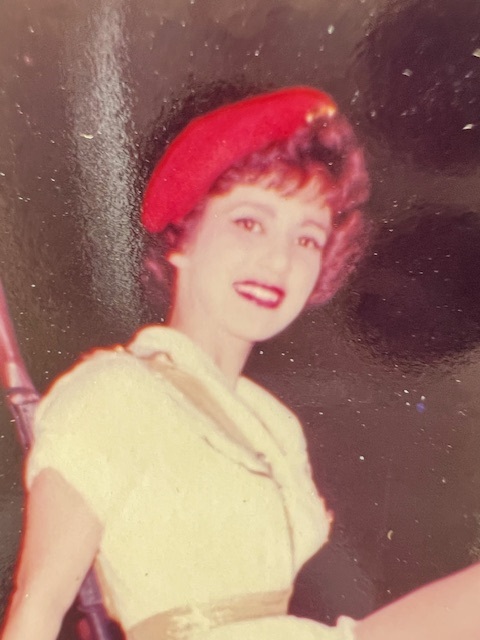
Costumes were as much a part of the Rockettes’ identity as the dancing itself.
Grantham recalled, “There was a costume that was kind of nude-looking, with diamond fringe… that was one of my favorites.”
The Rockettes’ costume and shoe departments were based at Radio City, allowing dancers to learn sewing, hat-making and other crafts. Grantham described the experience as educational.
“Leanne Mitchell ran the costume department. She taught me to bear patterns [the instructions on a pattern for creating mirrored pieces, often for symmetrical items] and to sew beautifully; I could make a tailored coat or a suit,” she said.
Over the course of her 12-year career, Grantham toured across the United States and Canada, performed in the Macy’s Thanksgiving Day Parade and appeared in films and television. She worked under Markert until his final decade, recalling him as “an amazing human being, like a father to me and to all of the girls.” She credited his vision and guidance with shaping her career and instilling discipline.
Asked about staying in shape and maintaining the physical demands of being a Rockette, Grantham noted the uniqueness of the discipline.
“If you do a lot of kicks, if you do them right every day, you don’t have to [do much else]. You’re using your upper body in a way that most women don’t use their upper bodies. The costumes are built in and they’re always attractive.”
Even decades later, the Rockettes’ performances evoke a deep emotional response from Grantham.
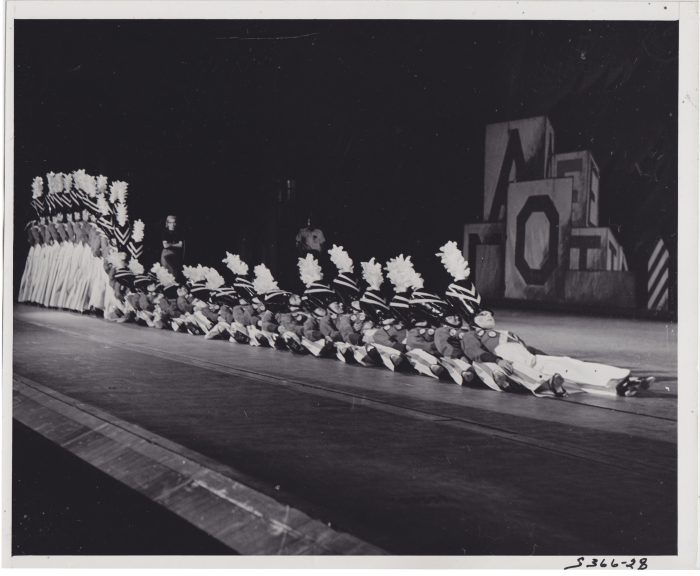
“Still to this day, when they start playing the ‘March of the Wooden Soldier,’ I don’t know why, but I start to cry. And when I’m sitting with other Rockettes, they are doing the same thing. I have goosebumps from my toes to my neck because that’s how much I love that routine.”
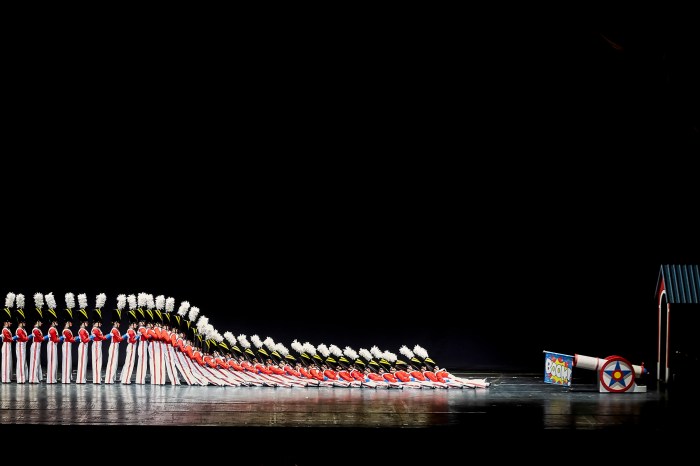
Grantham said the Rockettes’ legacy endures not only through their performances but also through the sense of sisterhood among the dancers.
“It was a fabulous life. And it was a great way to come of age, with like-minded girls,” she said. Many of her fellow dancers remain close friends today. “We’ve always been truly sisters.”
Reflecting on her beginnings, Grantham credited her mother for her early opportunities in dance.
“My mother loved it. She wrote the initial letters to Russell Markert, sending him my pictures. And I used to win a lot of prizes…he sent the letter back asking me to come and audition,” she said.
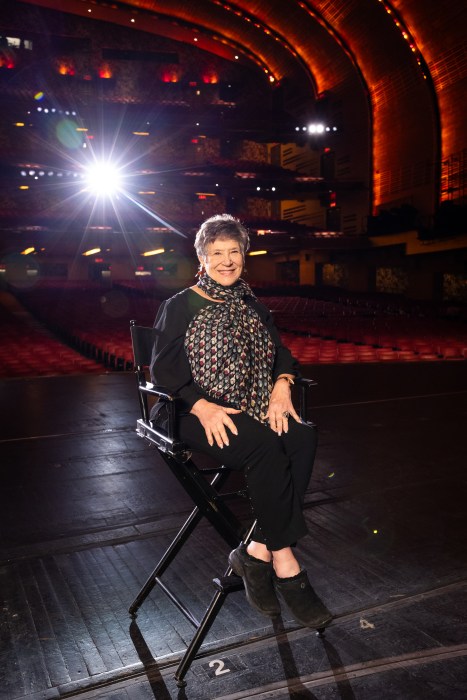
Even now, Grantham’s love for dance persists. Though she can no longer perform due to a longstanding foot injury, she plans to give back through teaching.
“I love tap dancing and I’m very sad that I can’t do it, but I’m about to volunteer to teach chair tap to older people in the library or at the YMCA,” she said.
Looking at the current generation of Rockettes, Grantham expressed admiration and encouragement.
“I am always thrilled to meet them; they are delightful. They are so happy to be Rockettes and they are happy to know and very interested to know how we lived back then.” She acknowledged that the company’s training and routines have evolved, but the essence remains the same. “It’s much more athletic now than we were. But they do a lot of numbers and they do them beautifully.”
For Grantham, the Rockettes were more than a job—they were a formative experience, a family and a source of lifelong inspiration.
“If I were to have another life, I would choose the same thing,” she said. “I loved what we did. It was just wonderful.”
As Radio City Music Hall marks a century of precision, glamour and entertainment, Grantham’s reflections provide a window into the artistry and dedication that made the Rockettes an enduring American institution. From Pennsylvania to the stage at Radio City, her story is one of talent, opportunity and the magic of performance—a legacy that continues to inspire audiences and dancers alike.