



For Bonnie S. Klapper, the path to founding the Sag Harbor-based nonprofit Run 2 The Rescue began not in animal welfare, but in law enforcement. After spending 24 years as a prosecutor, Klapper never imagined her next chapter would unfold halfway around the world.
Since becoming vegan about seven years ago, Klapper felt a growing urgency to use her legal skills to help animals. She began as a volunteer where she met fellow advocate Brandy Cherven. The two worked side by side gaining firsthand experience in international rescue operations. About 18 months ago, Cherven posed a bold question: they understood how international rescue worked and how to do it ethically and effectively, so why not start their own organization?
They did just that. After completing the legal groundwork and forming a 501(c)(3), Run 2 The Rescue was born. Almost immediately, contacts in China began reaching out for help.
The organization works on the ground in and around Beijing, partnering with three shelters and a primary rescuer to intercept dogs headed for the dog meat trade. Calls often come in the middle of the night due to the time difference: a transport truck needs to be stopped, a breeder is dumping unsold dogs, or a shelter is overwhelmed. In one recent case, a breeder going out of business planned to sell remaining dogs directly to butchers.
“Our answer was, ‘We’ll take them,’” Klapper says.
The scale of suffering is difficult to comprehend. Some shelters house thousands of dogs with only a handful of caretakers. Dogs rescued from butchers often arrive in horrific condition. In parts of China, a persistent belief holds that the more pain an animal endures, the more “potent” the meat, leading to extreme cruelty and deaths without dignity.
Every dog rescued by Run 2 The Rescue goes straight to a veterinarian. Once stable, they are transferred to a partnered daycare facility in China that serves as an interim sanctuary. There, the dogs decompress, receive extensive veterinary care and vaccinations, and begin socialization. Once funding is secured and an adopter is identified, dogs are transported to the U.S. The process is costly, averaging $2,000–$3,500 per dog, due to strict federal requirements.
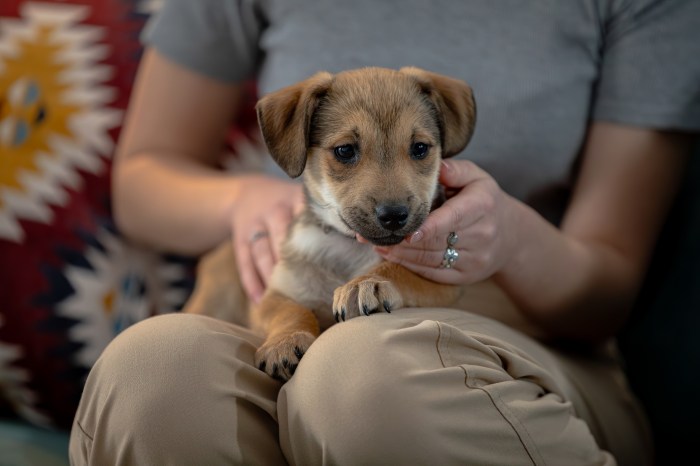
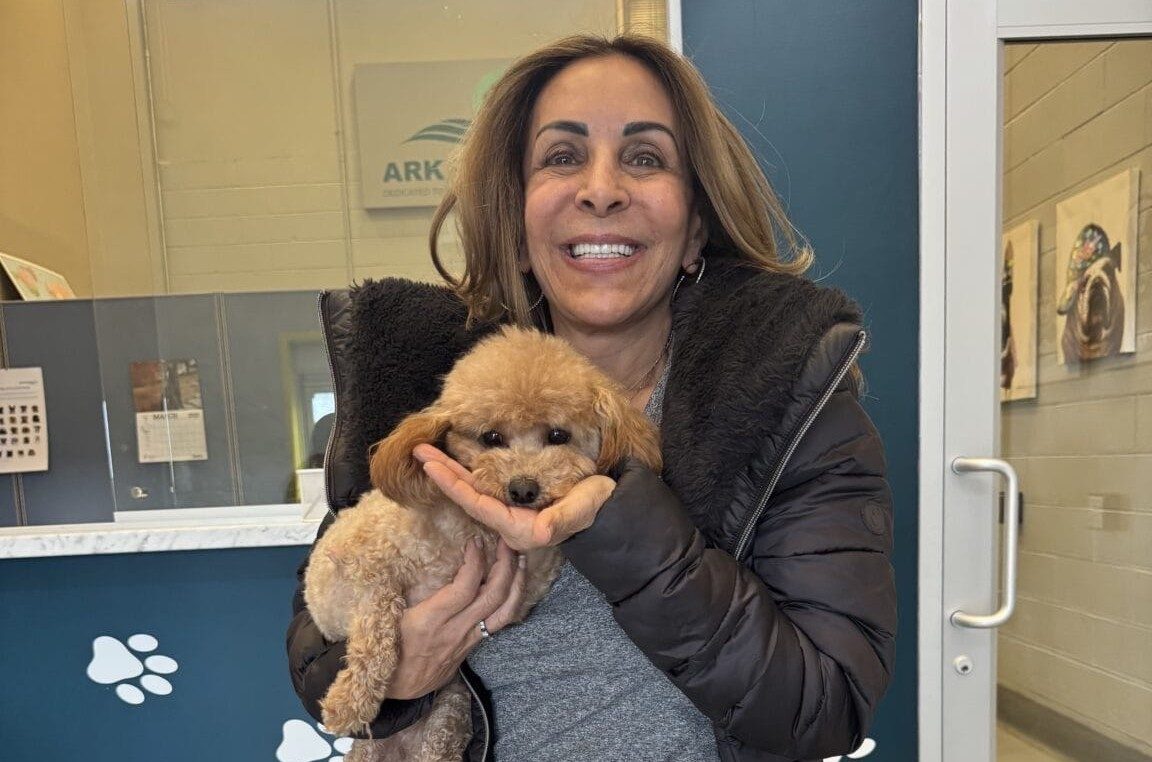
Klapper shared some incredible stories of recently rescued pups. She described Harry, a traumatized dog pulled from a transport truck who spent weeks sleeping upright with one eye open. After nearly three months in foster care, Harry is now thriving in a home with canine siblings.
Run 2 The Rescue has also taken on large-scale emergency missions, including rescuing 77 former laboratory dogs whom Klapper refers to as “double survivors” saved first from experimentation and then from slaughter. All were ultimately placed with the help of rescue partner Kindness Ranch Animal Sanctuary in Wyoming.
When asked why international rescue matters when so many animals need help domestically, Klapper is direct: these dogs face unimaginable abuse, painful deaths, and no chance of rescue without outside intervention.
“This isn’t about choosing one group of animals over another,” she explains. “It’s about responding where the suffering is most extreme and the stakes are life or death.”
Beyond rescue, Klapper provides extensive pro bono legal work for animal advocacy organizations across species, from factory farming to the fur trade. She sees a clear connection between dogs in the meat trade and animals raised for food worldwide.
“They’re all confined, exploited, and killed. It’s time we think about all animals, not just the ones we call companions,” she says.
The most impactful ways the public can help are through education, contributions, and sharing the organization’s work. Every donation helps fund veterinary care, rehabilitation, and the complex logistics required to save dogs from the dog meat trade.
To learn more about the rescue, support its lifesaving efforts, or begin the adoption process, visit run2therescue.com.