


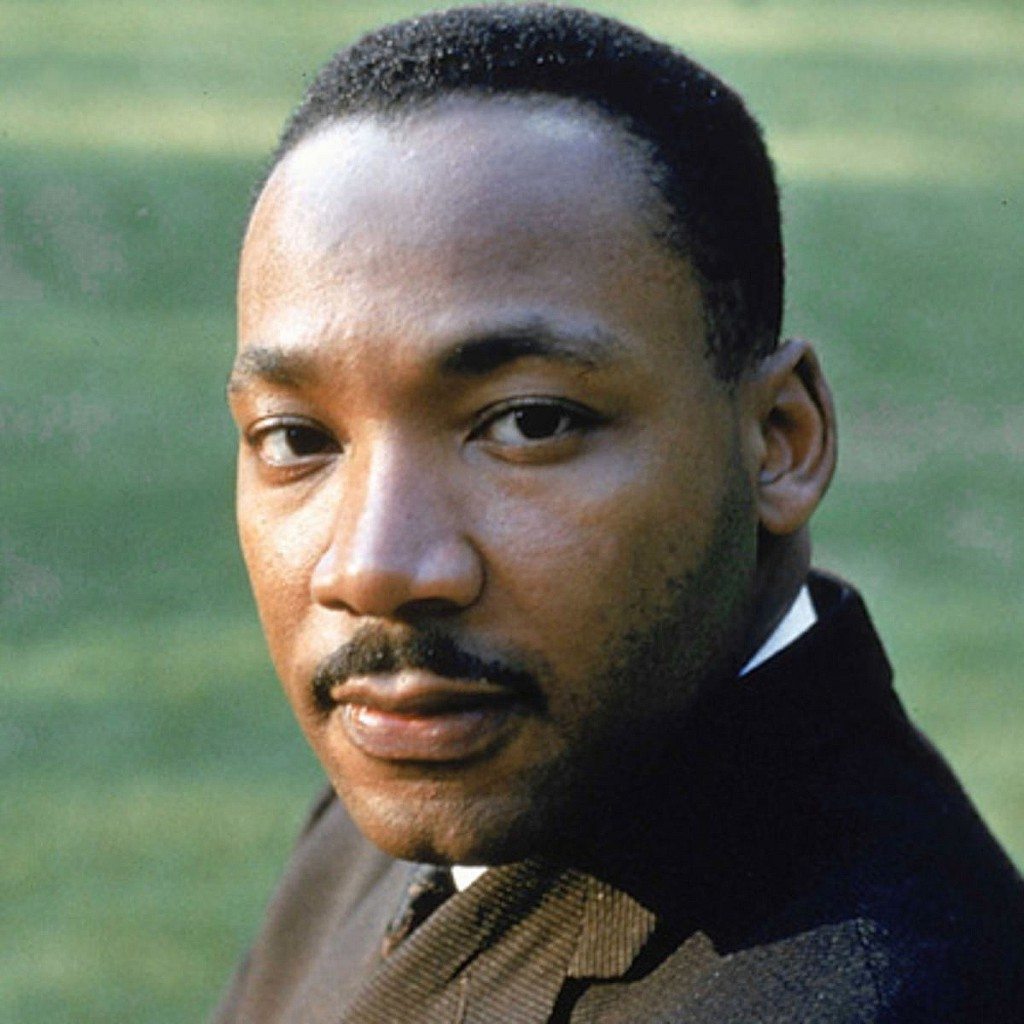
Black History Month offers Nassau County an opportunity not only to reflect on the past, but to appreciate how deeply the national story of civil rights is woven into our own communities. This is not history that happened somewhere else. It happened here — in our houses of worship, in our neighborhoods, in our courts and classrooms — and it continues to shape who we are and who we aspire to be.
One of the most powerful reminders of that local connection is the Rev. Martin Luther King Jr.’s visit to Nassau County. In 1967, King spoke at Temple Beth-El in Great Neck, urging people of different faiths and backgrounds to see the struggle for civil rights as a shared moral responsibility. He also spent time in the Lakeview–West Hempstead area during the height of the movement. Those appearances underscored a simple truth that still resonates: the fight for equality was never only a Southern story. It was a suburban story, too — and Nassau County was part of it.
The postwar decades transformed Long Island into a symbol of opportunity for millions of families. Developments such as Levittown, pioneered by William Levitt, helped define the modern American suburb and opened homeownership to generations of working- and middle-class residents. At the same time, those years reflected the legal and social realities of their era, when access to housing was shaped by policies and practices that did not always extend opportunity equally. Over time, those early patterns influenced school boundaries, property values and neighborhood demographics, leaving a complex legacy that communities across Nassau County have been working to understand and address.
Today, discussions about zoning and housing are part of that ongoing effort. These conversations are not just about regulations or planning documents; they are about how communities balance growth, affordability and neighborhood character. Nassau’s towns and villages face real pressures: preserving what residents value while also creating opportunities for young families, seniors who want to downsize, and workers who hope to live closer to their jobs. The search for that balance is not easy, but it reflects a county that continues to evolve.
That evolution has been guided, in no small part, by leaders who worked to expand opportunity from within Nassau County’s own institutions. Dr. Hazel N. Dukes stands as one of the most important figures in that story. A longtime Nassau County resident and a towering civil rights leader in New York State, Dukes broke barriers as the first Black person to work in the Nassau County attorney’s office and went on to become a powerful advocate for fair housing, education and equal opportunity. Her life’s work is a reminder that progress is often built locally, case by case and policy by policy.
In the realm of government, leaders such as former Nassau County Legislature Presiding Officer Kevan Abrahams helped shape county policy during a pivotal period, demonstrating the growing influence of Black leadership in Nassau’s civic life. Today, that tradition continues in Albany through State Sen. Siela Bynoe, who represents parts of central Nassau County and has been a leading voice on education, housing and economic opportunity. Their service reflects how representation at every level of government matters — not as a symbol, but as a practical way to ensure that a wider range of experiences and concerns are part of the decision-making process.
Faith communities, particularly in Hempstead and surrounding areas, have also played an essential role. For decades, pastors and congregations have served not only as spiritual anchors, but as advocates for education, fairness and community stability. In moments of tension or transition, these leaders have often been the ones bringing neighbors together, reminding the county that progress is built as much on trust and dialogue as on legislation.
This Black History Month is also marked by the passing of the Rev. Jesse Jackson Sr., a national civil rights leader who carried the movement forward after King’s assassination and broadened the country’s understanding of justice to include economic opportunity and political participation. His legacy invites reflection not only on how far the nation has come, but on how much of that work is carried out in places like Nassau County, through local leadership and sustained civic engagement.