



By Karen Rubin, Travel Features Syndicate, goingplacesfarandnear.com
Travel is always life-enhancing and can even be life-changing. Travel has the potential to build bonds, forge new understanding, bring personal enlightenment, and today, is a significant component of physical and mental wellness we crave. But no matter what bracket you are in, a trip demands significant financial resources. So, where we get our information in order to make the many decisions and choices that go into a travel plan –destination, flight, accommodation, tours, attractions and experiences to build in, and all the other aspects of what to see and do, and where to get the best rate, fares and deals – is key.
Among the forces shaping travel, none is having more impact than artificial intelligence. A.I. is in everything from locating flights, hotels, tours, to learning about a destination and deciding what to see and do, and yes, make bookings and handing over credit cards.
While A.I. has had its benefits, there are caveats, as well – caveat emptor, to be precise (“buyer beware.”).
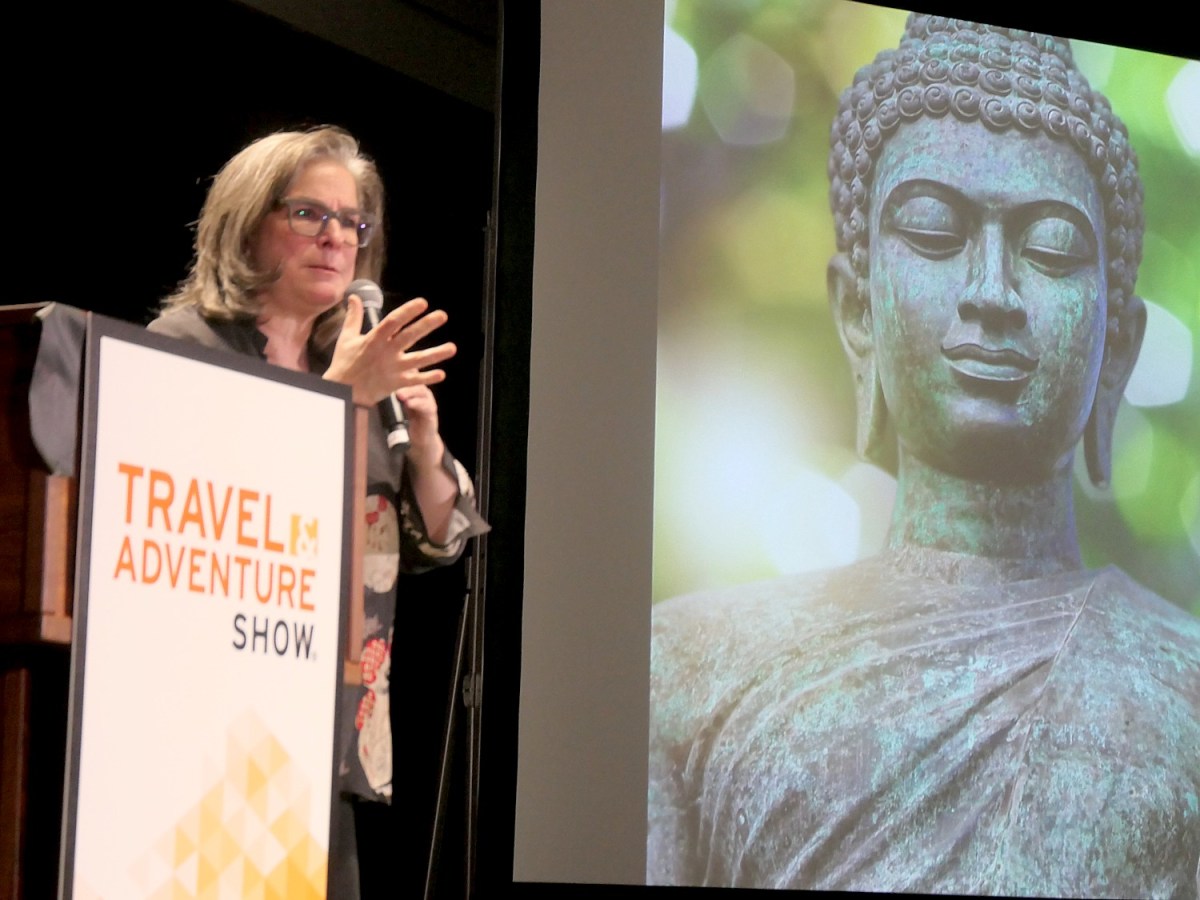
“AI is shaping how we digest travel information, and doing it badly,” travel expert Pauline Frommer says during her talk, “The Secrets to Not Overpaying for Travel & Having Soul Stirring Vacation,” to an appreciative audience at this year’s New York Travel Show.

There is false information – hallucinations – propagated through AI, and no way to correct and no one to complain to. “AI hallucinates too often and gets too much wrong.”
There are even travel guidebooks being created out of whole cloth by A.I. (and 5-star reviewed by bots) and sold on Amazon, filled with inaccuracies that a traveler might depend upon and then find their trip ruined.
Now AI is being used to generate airfares. One of the Frommer Researchers, which each year evaluates the various airline search engines, this year included Chat GPT and Grok. “They bombed – they never found the lowest price, and often came up with routes that didn’t exist.”
The best airfare search engines Frommer’s researcher found:
Momondo – found lowest prices most consistently. This search engine has been their top choice for many years in a row. Frommer said they particularly liked Momondo’s presentation, so you can see different prices by day, and it allows more filters than others (class, luggage rules, you can even filter by type of airplane). If you filter for luggage, it will show the airline list with the price of checked luggage included.
Skyscanner is also typically making their “best” list.
New to her list this year: Skiplagged, which tells you how to get a lower fare by booking a route where the connection airport or stopover is the destination you actually want, but offers a cheaper fare than if you go direct, so you get off the plane. Among the problems: the airline will likely then cancel your return (so if you do this, book one-way), but even ban you from flying them. “But it finds good prices.”

AI is not only shaping how we digest travel, what we know, and helping make our choices and decisions, but is also shaping pricing, as companies – airlines and hotels, for example – begin to use AI for “surveillance pricing” and “dynamic pricing” (an even more refined “yield management” tool).
Perhaps you have noticed that if you search for a fare, leave it for hours when you return, the fare is higher. This is dynamic pricing – because the system has recognized that you are motivated to purchase the fare because you returned for it. AI helps calculate just how much you are willing to pay, based on your motivation.
Now AI is enabling these systems to go even further: “surveillance” pricing, in which AI calculates what you will pay based on where you live (the rent you pay), what travel you have purchased before, and other personal shopping data.
The Biden administration investigated and found that based on profiles (where you live, the rent you pay, what travel you have purchased before) it serves up different prices, so that if you search from New York City, you are quoted a higher fare than if you searched from Louisiana, or Uzbekistan.
How can you shield your identity to prevent such discrimination? Subscribe to a VPN ($15-20 /year) and when you do search, decide where to do it from. You can do the search from Kazakstan or Arkansas, with each place you will see a price difference and cheaper than if the system recognizes you live in New York.
Frommer cited Proton VPN which claimed to have found a 40% difference in hotel and air fares. “I’m not sure a 40% difference is true, but there is a big enough difference – I have VPN on my computer.”
Frommer’s tips for purchasing air fares: A study using AI to find patterns in 36 billion air fare transactions found it is best to:
Purchase your airfare on Sunday (6% cheaper for domestic flights, 17% cheaper for international)
Buy 1-3 months out for domestic travel (saving 25%); 18-29 days out for international (savings of 10%). “But I don’t think I would have the courage to wait 18-29 days out for an international flight.”
Fly red eye or early morning (best fare and less likely to be delayed or canceled)
Gateway Hopping – sometimes a different gateway airport can bring down the cost. For example, if you are headed from JFK to Berlin, a secondary airport, it may cost less to fly to Paris and take a cheap regional carrier to Berlin. That would involve two searches, maybe two different carriers. (If going to Florence, you might fly into Rome and take the train.)
Saving on Lodging

Like air fares, these days, you can avoid surveillance pricing by setting your VPN’s “Where I am in the world” to the Republic of Ireland because unlike the USA (Trump repealed Joe Biden’s rule against junk fees), the European Union prohibits hidden fees (like resort fees you didn’t know you were expected to pay – because the hotel can offer a cheaper, more competitive rate, and not pay the local occupancy tax).
Frommer recommends searching for hotels on Google Travel, Trivago or Skyscanner.
“Get a reservation you can cancel and rebook closer to the travel date.” (I like hotels.com and booking.com for their flexibility in canceling or changing reservations, the information provided and the comments.)
In business travel destinations (like Johannesburg, South Africa), rates tend to drop sharply the week before travel, but if you are not inclined to cut it that close and possibly be closed out, get the reservation you can cancel earlier.
Vacation home rentals no longer necessarily save money because of the added fees and cancellation policies (unless you are multi-generational family or some couples traveling together, in which case the space and use of kitchen and other living amenities adds value).
“Check hotel prices, too, as they may be lower. Take reviews with a grain of salt – 10% of AirBnB reviews are AI-generated fakes.”
Frommer also recommends using VRBO, which posts the contact information for the management company, then booking directly with the management company for a better rate.
Where to go in 2026?

If you think that your bucket-list destinations will be more in reach, price-wise, in the off-season, you will find there is no such thing as an “off season” any more – these days, travel is ubiquitous throughout the year.
Seasonality is also going the way of the dodo. The peak travel season, summer, in places like Paris, Florence, Venice, the south of France, Spain, Portugal, Czech Republic have been hit with such ferocious heat waves, that people are going to what used to be called the “shoulder season”, April-May, September-October, which are getting as pricey and crowded as summer.
Frommer said she visited Naples in March. “I thought it was low season but it was jammed and charging top dollar, and two museums were sold out. Usually southern Italy would have been dead in early March. Rome, Paris, London no longer have an off season, so consider secondary destinations.”

But, Frommer advises, consider secondary destinations that are not as high on people’s lists, but also help destinations free themselves from the blight of overtourism, while spreading the economic and cultural benefits that tourists bring.
Instead of Amsterdam, visit Utrecht, a beautiful little city just a half hour outside Amsterdam, with the same canals, even more beautiful, Frommer says, because there are 2 levels, lined with cafes, bars, and fairy lights at night.

“Right now it is so important to consider secondary cities. Often Amsterdam is so damn crowded. But Utrecht has great museums – you can get a hotel for $65/night in November (half the cheapest available in Amsterdam). Often these “secondary cities” have the same types of attractions as the brand name destination, but fewer visitors and lower costs, Frommer advises.
Frommer offers a list of destinations and experiences “where you will find travel new all over again”, places that will have great celebrations, be affordable or accessible (see Frommers.com/BestPlaces2026)
Oulu, Finland: may well be best known for world air guitar championships, but Frommer is recommending Oulu this year because this little community 20 miles south of the Arctic Circle (incredible wilderness, the Northern Lights will be prominent this year, indigenous cultures), is designated the European Capital of Culture. Hundreds of artists of all sorts will descend on Oulu, creating site-specific performances.
Viti Levu, Fiji: because for the first time ever, there are many direct flights to Fiji from the US, making getting to Fiji finally affordable (and not because it’s the 50th season of “Survivor.”) Why go? Fiji is like Hawaii, with gorgeous beaches, but much less crowded and much cheaper on the ground than Hawaii, with lots of mom and pop resorts, and now, much cheaper to get there . It has traditional Pacific culture and the largest Hindu temple in the Pacific (because of immigration routes).
Jasper, Alberta, Canada: two years ago Jasper was afflicted with horrific wildfires. Frommer is recommending visiting now because you see how this community turned lemons to lemonade: “You can go and not realize what happened, but going specifically for fire ecology tours in burned areas, learn how to stop that from happening, how to regenerate and meet the people doing that – more important with climate change. [In fact, one of the Global Wellness top trends for 2026 is learning how to mitigate disasters.]. Also, Jasper is another place to experience the Northern Lights that are forecast to be spectacular this year. The Rocky Mountaineer train this year, because of FIFA World Cup, is not going to Vancouver-Banff-Jasper, but just back and forth between Banff and Jasper. “You see the highlights, the best stuff and pay less with great train experience.”

Vienna, Austria this year is celebrating the 250th anniversary of the Berg Theater, which presents classical music. “Every major name in classical music is performing. Last year, the city celebrated the 250th birthday of Johann Strauss, opening a new museum to him. In Vienna, you enjoy the famous Lipizaaner white stallions, beautiful markets, a beautiful, loveable city.”
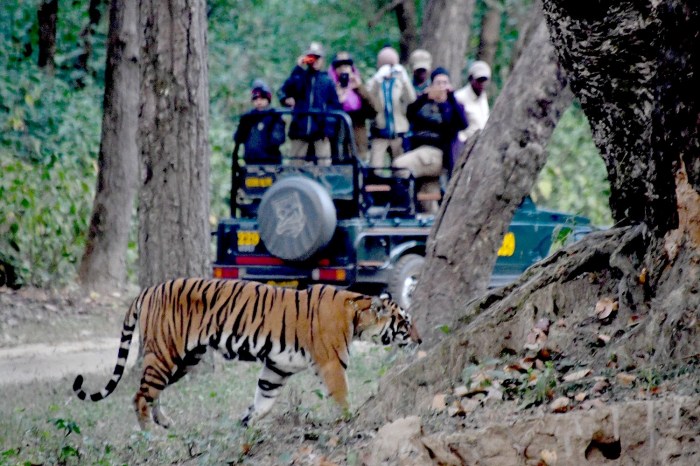
Kruger National Park, South Africa, is for those who want to take an African Safari but don’t have a trust fund: The park, which is turning 100 this year and may change its name, allows you to do a self-drive safari (which is rare), into all kinds of different ecosystems and the Big 5 animals. You pay a $100 fee to get into the park, then go to areas where there are resorts ($80-90 per night) or camping is allowed (pay as little as $20/night. When you go into the reserve in the morning , park rangers tell you where to go. “It’s a safari for a fraction of the cost – it’s not unusual to pay thousands a day for a safari.”
Hot Springs Arkansas – has one of the only national parks where what’s indoors more interesting – a bathhouse where Al Capone vacationed, where you can take the waters. It’s the only national park with a brewery in it, incredible architectural sites, a racecourse, and one of ‘fun-est’ yearly events in the USA: the running of the bathtubs.
(Interestingly, Frommer did not mention America’s 250th celebrations taking place all across the country, including a spectacular event in New York City, Sail4th, on July 4th.)
Meeting the People and More Travel Tips

InternationalGreeters.org – locals in 60 countries, 400 cities who love their hometown and welcoming visitors volunteer to escort visitors for free. They are vetted and trained. Frommer went around Chicago with an International Greeter, a retired lawyer, to tour public art in a way she never could have appreciated on her own. In Tokyo, greeters take you around for a day, teach you how to use the subway, and show you the restaurants on the top floor.
TravelingSpoon.com and EatWith.com are foodie tour companies who have on tap the best local cooks (not commercial restaurant chefs). Frommer experienced this program in Palermo, Italy, in the home of an Italian nonna in her 70s who spoke no English (her grandson translated) and for two hours, she cooked with her in her kitchen, then the whole family showed up for “a raucus dinner party, for the cost of a restaurant meal.”
Sources to find multi-day tours operated in the destination include: TravelStride.com and TourRadar.com
These are marketplace sites. You put in the parameters of what you want and they shoot back tours from all over the world – often locally owned tour operators – offering a better rate than the name-brand multinational companies. The platforms earn a commission from the companies.
Travel Insurance is a must have for big ticket trips like cruises, tours, safari, renting home but not for a flight. Platforms where you can input your personal details (age, date, destination) and get a list of policies, prices and bullet-list of what is covered or not – from different companies so you can compare include: SquareMouth.com; InsureMyTrip.com; and TravelInsurance.com.
“You see policies from a lot of companies – with bullet lists of what is covered or not, so you can compare. Usually the one in the middle covers the most things. There is no one company best for every trip.” Frommer also advises. “Never buy insurance through the company you are traveling with.”
More information at Frommers.com.
__________________
© 2026 Travel Features Syndicate, a division of Workstyles, Inc. All rights reserved. Visit goingplacesfarandnear.com and travelwritersmagazine.com/TravelFeaturesSyndicate/. Blogging at goingplacesnearandfar.wordpress.com and moralcompasstravel.info. Visit instagram.com/going_places_far_and_near and instagram.com/bigbackpacktraveler/ Send comments or questions to FamTravLtr@aol.com. Bluesky: @newsphotosfeatures.bsky.social X: @TravelFeatures Threads: @news_and_photo_features ‘Like’ us at facebook.com/NewsPhotoFeatures