


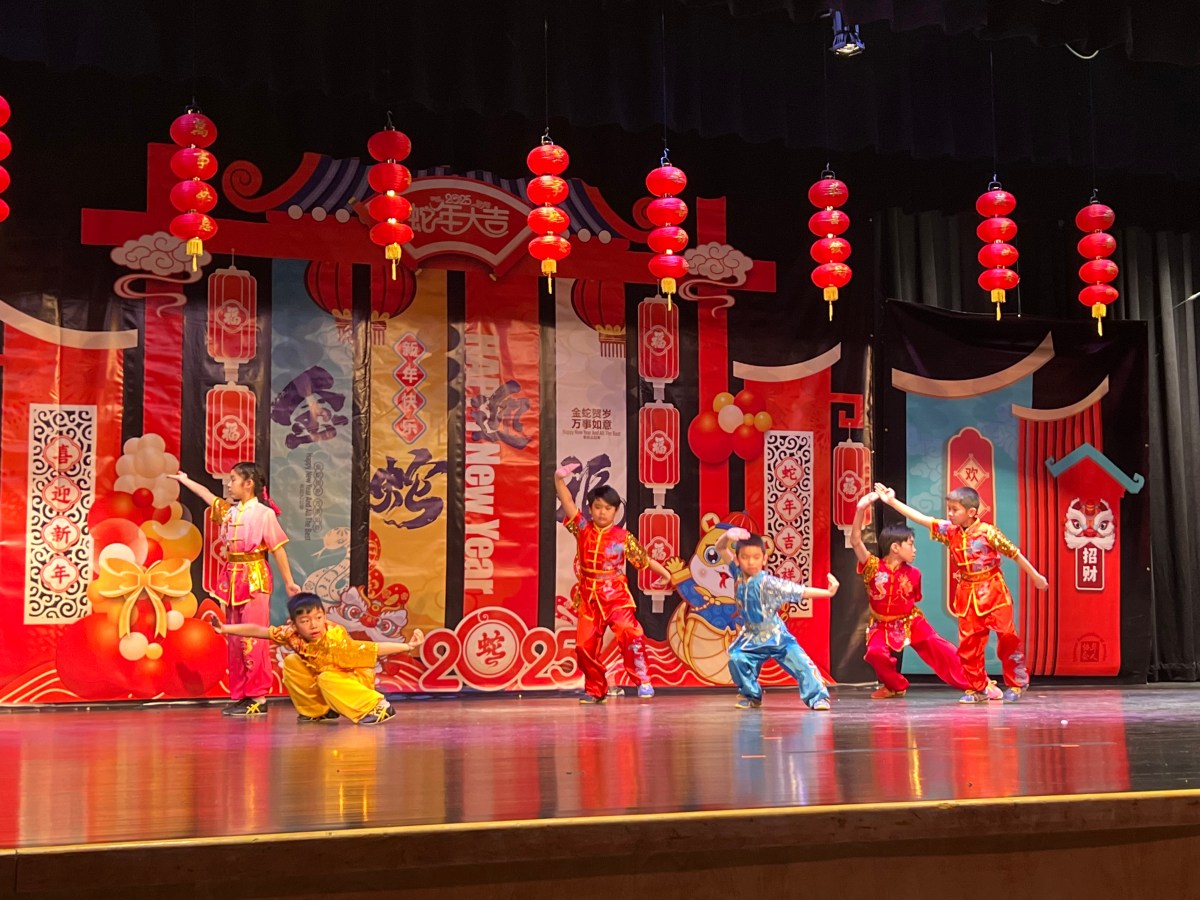
As the Lunar New Year arrives Feb. 17, many people across Long Island are marking the holiday in quiet and personal ways, especially students who are far from home. While the celebration may look different from country to country, the meaning of family, tradition, and a fresh start remains strong.
For Qingxuan Bao, a journalism major at Hofstra University who graduated in December 2025, the Lunar New Year is the most important holiday of the year.
“Since studying in the U.S., this time of year really makes me miss home,” Bao said.
In China, Bao said the Lunar New Year is a major family holiday that takes weeks of preparation. Families clean their homes, decorate with New Year items and buy new clothes. Many of the foods made during this time are special dishes that are only eaten once a year.
Cleaning the house before the new year is an important tradition, Bao said. It is believed to clear away bad luck and make room for good luck in the year ahead.
On New Year’s Eve, families gather for a large dinner, watch television, talk, and stay up until midnight to welcome the new year together.
“It’s a very warm and family-focused time,” Bao said. “That’s what I miss most.”
On Long Island, Bao said the Lunar New Year feels much quieter compared to China.
“For me, the Lunar New Year atmosphere here is much lighter,” she said.
Bao said Hofstra’s INTO program hosts Lunar New Year events for international students, including small activities, food, and prizes. She said the events thoughtfully welcome students, but people do not widely celebrate the holiday outside of school.
“In China, Lunar New Year feels like how Christmas feels in the U.S.,” Bao said. “Everyone is in the holiday mood.”
Without her family nearby, Bao said she usually celebrates Lunar New Year in a small way with close friends. She prefers simple gatherings instead of large events.
“I like small, cozy celebrations,” she said.
Bao and her friends go to the supermarket together to buy ingredients and cook at home. She usually does most of the cooking, and they spend the evening eating, talking, and watching television.
She also adds a personal tradition to the meal. Bao places a round slice of carrot on each dish, which she said represents togetherness and reunion.
Bao said many of her international friends are curious about the Lunar New Year and often ask questions about traditions, food, and red envelopes, which are gifts of money given for good luck.
“They’re really interested,” she said. “They ask a lot of questions.”
What Bao misses most from home are foods she rarely finds in the United States. These include cured meats made by her grandfather, such as cured chicken and cured duck. She also misses duck tongues, a traditional food eaten during the holiday.
“I know it might sound strange to some people here,” she said. “But I really miss it.”
Even though Bao cannot travel home for the holiday, she stays connected to her family through video calls. Because of the time difference, she watches them prepare food, clean the house, and visit relatives while it is nighttime on Long Island.
“Seeing them helps me feel closer to home,” Bao said.
Bao said she hopes schools on Long Island will give the Lunar New Year more recognition. She said even small gestures could make a difference, such as hosting events, allowing flexibility for students to celebrate or sending a New Year’s message.
She also hopes more students will learn why Lunar New Year does not fall on Jan. 1 and understand the history behind the lunar calendar.
“There’s a long history behind it,” Bao said. “Chinese culture has so many layers. There’s always something interesting to learn.”
Lunar New Year doesn’t fall on Jan. 1 because it follows the moon’s cycles, not the solar calendar. Each year the date changes, usually landing between late January and mid-February.
Efforts to reach the Chinese Center of Long Island were unavailing.